
UGC Marketing: Why User-Generated Content is the Future

As digital behavior evolves, one thing has become crystal clear that consumers crave authenticity more than ever. Traditional advertising, once the backbone of brand promotion, is losing its impact. People are tuning out flashy ads and turning toward something more relatable: user-generated content marketing, Real voices, Real experiences and Real people.

This shift has made User-Generated Content marketing one of the most powerful and influential strategies for brands today. It’s a fundamental change in how audiences engage with content and how brands build trust. Whether it’s Instagram Reels, YouTube reviews or testimonials, user-generated content has become the new currency of credibility.

In this blog, we’ll explore why user-generated content marketing is the future, how it transforms traditional branding, and how your business can use it to your advantage.

User-Generated Content Marketing

What Is UGC Marketing?

User-Generated Content (UGC) includes any brand-related content created by customers, followers, influencers, fans, or communities rather than the business itself. This content can take the form of:

– Photos
– Videos
– Reviews
– Testimonials
– Social media posts
– Blogs and comments
– Unboxing clips
– Tutorials and product demos

UGC marketing is simply the strategic use of this content to enhance brand awareness, trust, engagement, and conversions. Because it comes from real people, not the brand. So it connects better with today’s audiences, who are more doubtful and not easily convinced.

Why UGC Marketing Is the Future

1. Builds Trust and Credibility

Trust is everything in marketing. Consumers trust recommendations from peers more than traditional ads because UGC reflects genuine experiences. It’s unbiased, relatable, and authentic. If a customer sees multiple people sharing positive content about your product, that’s powerful social proof. And social proof drives confidence. This is one of the biggest reasons User-Generated Content Marketing works so well.

2. Delivers Authentic Brand Storytelling

Authenticity has dethroned perfection. Modern audiences prefer raw, candid stories over polished commercials. With UGC, brand storytelling becomes more human and relatable. It shows real customers using products in real-world scenarios. This authenticity makes UGC feel less like marketing and more like honest conversation.

3. Boosts Engagement Across All Platforms

People scroll past ads quickly, but they stop to watch real customer content. UGC blends into social media feeds because it looks like normal posts, not ads. This helps brands connect with audiences in a more human and relatable way.

This means:
– More likes
– More comments
– More shares
– More views

Platforms like Instagram and YouTube prioritize authentic interactions because they want to keep users engaged. Highly polished ads often get lower engagement, which means the algorithm shows them less. Because users are more likely to engage with content from other real people, UGC pushes visibility and reach far beyond typical brand content.

4. Significantly Improves Conversion Rates

Buyers trust customers more than they trust marketers. That’s why product pages with UGC reviews, photos, and real testimonials often convert at dramatically higher rates. When users see authentic experiences, it reduces fear and increases confidence, speeding up the purchase decision. Many e-commerce brands report conversion lifts of 20% to over 50% simply by integrating UGC into their product detail pages. This proves how strongly User-Generated Content Marketing influences purchase decisions.

5. Cost-Effective and Scalable

Unlike traditional marketing, which requires expensive production, UGC is low-cost and highly scalable. Customers create content naturally. Brands just need to encourage and curate it.

Examples of where you can reuse UGC:

– Social media campaigns
– Product pages
– Email marketing
– Paid ads
– Retargeting campaigns

This makes User-Generated Content Marketing one of the most cost-effective strategies available today.

Types of UGC Brands Should Use

1. Customer Reviews & Testimonials

The backbone of UGC marketing. Reviews help users make informed decisions and reduce purchase anxiety.

2. Unboxing & Product Demo Videos

Unboxings generate excitement. Demos educate potential buyers and show real product performance.

3. Social Media Posts & Reels

From TikTok challenges to Instagram Reels, these posts amplify brand exposure organically.

4. Employee-Generated Content (EGC)

Behind-the-scenes clips, office life videos, and team highlight posts help humanize your brand.

How to Build an Effective UGC Marketing Strategy

1. Encourage Customers to Share Their Experience

Use hashtags, offer incentives, or create shareable campaigns that invite customers to post their content.

2. Showcase UGC Everywhere

Leverage it across all platforms:
Social media
– Product pages
– Email campaigns
Landing pages
– Paid ads

Repurposing UGC maximizes its impact.

3. Partner With Micro-Creators

Micro-influencers produce highly engaging, relatable content and often drive stronger results than big influencers.

4. Always Get Permission

Before reposting or using content, ensure you have the creator’s consent.

5. Track Performance Metrics

Measure engagement, reach, conversions, and sales to refine your UGC strategy continuously.

Conclusion

UGC marketing is not just the future, it’s already here.  As consumers demand more transparency and real experiences, brands using User-Generated Content Marketing stand out easily in the crowded digital space. UGC builds trust, boosts engagement, and drives conversions more effectively than traditional ads.

If you want your brand to thrive in the evolving digital landscape, investing in user-generated content marketing is no longer optional, it’s essential.

The Best Lead Generation Strategies for Small Businesses

When we start a small business, the venture feels thrilling, yet one issue hits: the struggle starts when we want to bring clients regularly. Promoting your brand today isn’t just posting updates or boosting ads. It’s about customer engagement, building confidence, and guiding prospects until they finally make a purchase. That’s exactly what the best lead generation strategies for small businesses are.

Lead Generation is the backbone of small business growth. Without a consistent lead generation system, even great services struggle to scale. Strong lead generation ensures predictable sales and sustainable revenue.

If done right, getting new customers can transform slow weeks into success. Here’s the good news: local brands don’t need heavy budgets to pull in solid buyers. Smart actions done consistently can fill your sales funnel with people who truly want what you provide.

Below are the best lead generation strategies for small businesses firms can follow in 2026 to bring in more customers without unnecessary complications.

1. Website Optimization for Better Lead Generation

Your website must do more than look pretty; it should push leads into action. Right when someone lands, they must understand your offer and how to contact you. This is a huge part of website optimization.

How to optimize for more leads

– Add clear CTAs on every page.  “Schedule a chat,” “Grab your estimate” and “Buy today.” Schedule

– Use a compact lead form instead of only a contact page

– Offer free consultation, trial, or quote to pull interest

– Add WhatsApp / Call buttons for instant contact

Many companies lose customers because visitors get confused about what to do next. A smooth website flow raises leads more even without extra traffic.

2. Social Media Lead Generation Tactics

Posting daily is helpful, but without direction it doesn’t create leads. The aim is to move followers toward real conversions using social media marketing.

Smart tricks to convert followers to customers

– Share testimonials and before-after results

– Use lead generation

– campaigns like “DM to get price list” or “Comment YES for a free guide.”

– Add booking link or WhatsApp to your bio

– Educate more than you sell

People don’t buy because they are told to; they buy when they trust you.

3. Local SEO for Lead Generation

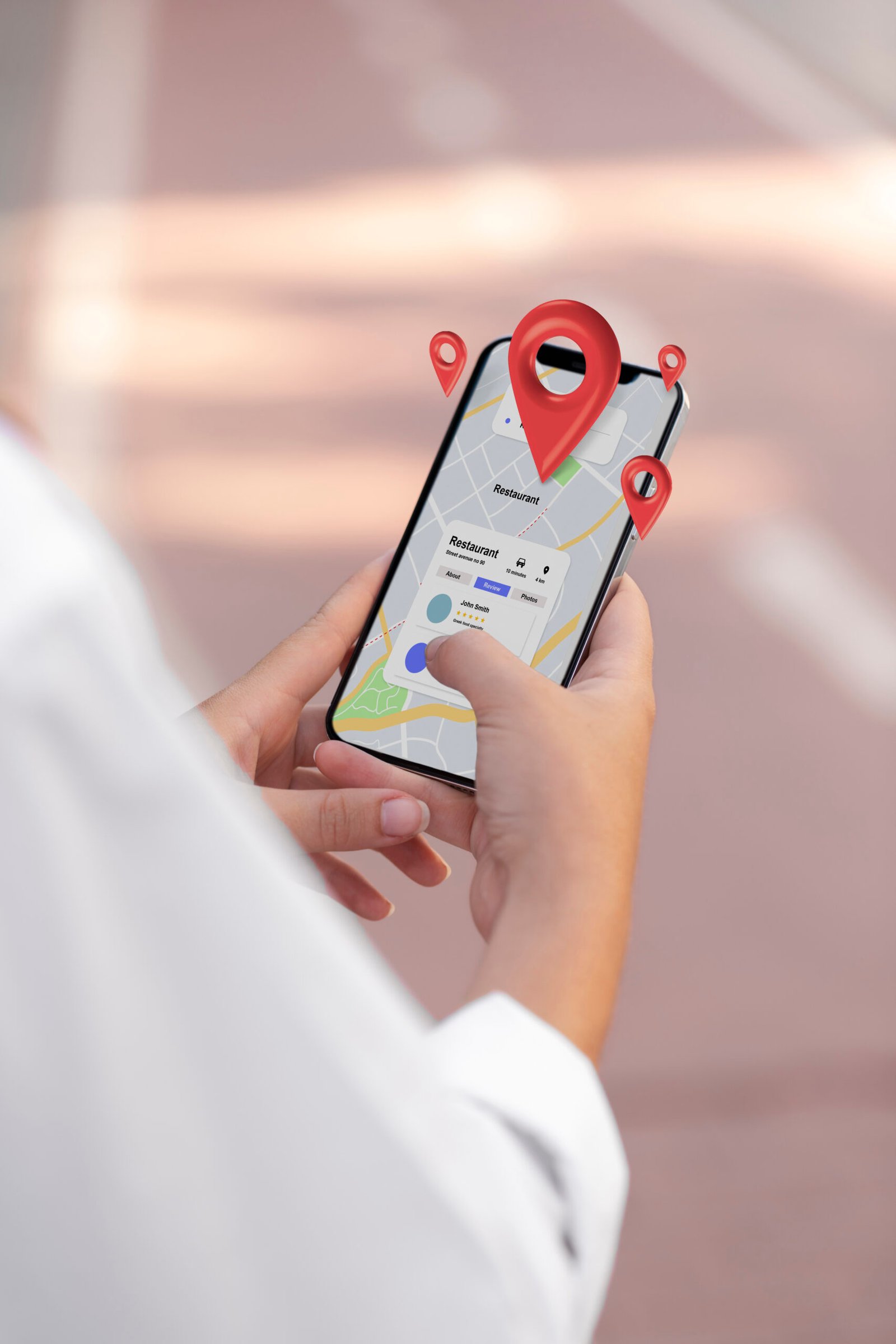
Local customers search online before purchasing. A strong presence on Google My Business and local SEO helps you show up to buyers who are already interested.

To get more leads from Google

– Create or update your GMB profile

– Add pictures, pricing, services, and recent posts

– Request customer reviews

– Respond to feedback regularly

– Use local keywords like “plumber in Kochi.”

A solid GMB setup can bring daily leads without running ads.

4. Paid Advertising and Lead Generation

Many small firms think ads are expensive because they target too broadly. The key to success is smarter, more focused paid advertising.

Affordable ways to run ads

– Target people who are ready to act

– Use lead ads instead of traffic ads

– Retarget website and social media visitors

– Start with small budgets and scale slowly

Ads don’t need to drain money; they just need accuracy.

5. Offer a Lead Magnet to Encourage Sign-Ups

Some prospects love your brand but aren’t ready to pay. A lead magnet helps keep them close until they’re ready to buy.

Lead magnet examples

– Free consultation

– Free trial/demo

– Discount coupon

– Service catalog

– Ebook / guide / checklist

Once they sign up, stay in touch through valuable communication.

6. Build Trust Through Testimonials and Case Studies

People trust proof more than promises. Strong testimonials and case studies move leads through the buying journey faster.

How to showcase social proof

– Collect video reviews

– Show before vs after transformations

– Share real customer problems and results

– Highlight milestones: “500+ clients served, 10+ years of experience.”

Trust is a currency that sells faster than discounts.

7. Use Email and WhatsApp Follow-Ups

Most prospects don’t convert immediately; follow-ups decide the final sale. Smart email marketing and WhatsApp automation keep your brand top of mind.

Follow-up ideas

– Share pricing and what’s included

– Explain how your solution solves their pain

– Share customer success stories

– Remind before offers expire

Consistent communication = higher conversion.

8. Collaborate With Influencers and Local Businesses

Team-ups can boost visibility without advertising. Influencer collaboration allows you to borrow trust from someone who already has an audience.

Collaboration ideas

– Partner with local micro-influencers

– Cross-promote with nearby businesses

– Host live sessions together

– Run co-branded giveaways

Collaboration widens reach and creates credibility instantly.

Conclusion

The best lead generation strategies for small businesses aren’t about bigger budgets; they’re about smarter moves. Swap heavy spending for sharp tactics like fine-tuning your site, boosting local visibility through Google, running targeted social ads, automating follow-ups via email or WhatsApp, sharing useful content regularly, and then turning happy customers into promoters. Stack these pieces together, and you’ve got a steady flow of solid leads.

Smaller companies using these methods sooner tend to grow quicker while keeping more customers, plus building a better reputation over time.

At Upswing Digital, we support small- to mid-sized companies by creating strong lead tools that convert online traffic into sales. Instead of just gathering interest, these systems spark real talks leading to income. These are the best lead generation strategies for small businesses

Why Brands Are Moving from Ads to Community Building

Community building
Community building

For years, digital advertising was the backbone of brand growth. Paid ads on social media promised reach, clicks, and conversions at scale. But today, that formula is losing its power. Ad costs are rising, user attention is shrinking, and audiences are becoming increasingly resistant to traditional advertising. As a result, brands are shifting their focus from short-term paid visibility to long-term Community Building. This shift marks the rise of community-led growth.

Modern consumers don’t just want to buy from brands, they want to belong. Communities offer something ads never can: trust, loyalty, and meaningful connection.

1. Digital Ads Are Becoming Less Effective

One of the biggest reasons brands are moving away from ads is declining performance. Ad fatigue has set in, and users are exposed to thousands of promotional messages daily. This oversaturation has made audiences numb to branded content, leading to lower engagement and higher cost-per-click.

Privacy regulations, reduced data tracking, and frequent algorithm changes have also made targeting less precise. Brands now spend more money just to maintain the same results they once achieved easily. In contrast, Community Building offer organic engagement and long-term value without constant ad spend.

2. Consumers Trust People More Than Ads

In digital marketing, trust is becoming the most precious commodity. Modern consumers are skeptical of polished brand messages and exaggerated promises. Instead, they trust real people, peers, creators, and fellow community members who share genuine experiences.

Communities create space for honest conversations, feedback, and recommendations. When customers talk to each other, credibility grows naturally. This peer-to-peer trust often influences buying decisions far more than traditional advertising ever could.

3. Communities Build Long-Term Loyalty, Not Just Sales

Ads are designed to drive immediate action, but once the campaign ends, so does the connection. Community Building, on the other hand, focus on long-term engagement. They allow brands to stay connected with their audience even when they’re not selling something.

By offering value through education, discussion, support, or exclusive access, brands nurture loyalty over time. Community members are more likely to become repeat customers, brand advocates, and even content creators for the brand.

4. Algorithm Changes Can’t Kill Communities

One of the biggest frustrations for brands is the lack of control over platform algorithms. A single update can drastically reduce reach, visibility, and engagement overnight. Communities provide stability in an unpredictable digital environment.

Whether hosted on private platforms, email groups, Discord servers, or membership spaces, communities give brands direct access to their audience. This reduces dependency on social media algorithms and creates a more sustainable growth model.

5. Community-Driven Brands See Higher Engagement

Community-based marketing naturally encourages participation. Members engage not just with the brand but with each other, creating richer interactions and stronger emotional bonds. Discussions, polls, feedback sessions, and live interactions keep audiences active and invested. Engaged communities often outperform ads in terms of retention, lifetime value, and advocacy. When people feel heard and valued, they contribute more and stay longer.

6. Communities Turn Customers into Brand Advocates

A strong community transforms customers into promoters. When people feel emotionally connected to a brand, they naturally share experiences, recommend products, and defend the brand in public conversations.

This organic advocacy is more powerful than paid promotion because it’s authentic. User-generated content, reviews, testimonials, and word-of-mouth recommendations generated within communities significantly influence purchasing decisions.

7. Brands Gain Valuable Insights Through Communities

Ads provide metrics like clicks and impressions, but communities provide insight. Through conversations and feedback, brands can understand customer needs, pain points, and expectations in real time.

Community Building act as live focus groups where brands can test ideas, gather opinions, and improve products or services. This two-way communication helps brands make better decisions and build offerings that truly resonate.

8. Community Building Supports Sustainable Growth

Paid ads stop delivering results the moment spending stops. Community Building, however, continue to grow in value over time. As trust builds and relationships deepen, the brand’s influence strengthens organically.

Community-led growth reduces reliance on aggressive sales tactics and creates a foundation for sustainable success. It’s a long-term investment that compounds, unlike ads that require constant funding.

9. Brands Are Becoming Human, Not Just Visible

Today’s audiences expect brands to act like people, not billboards. Communities allow brands to show personality, values, and authenticity. Through direct interaction, brands can be transparent, responsive, and emotionally relatable.

This human connection builds stronger emotional loyalty than any ad campaign can achieve.

Conclusion

The shift from ads to community building isn’t about abandoning paid marketing entirely, it’s about balance. Ads may attract attention, but communities build relationships. In an era where trust, authenticity, and engagement matter more than impressions, community-led growth is becoming a powerful strategy for brands that want lasting impact.

At Upswing, we help brands move beyond transactional marketing toward meaningful connection. By combining smart strategy, engaging content, and community-focused execution, we help businesses build loyal audiences that grow with them, not just buy from them.

The future of branding belongs to those who build communities, not just campaigns.

AI Tools for Social Media: Helpful or Harmful?

AI Tools

Artificial Intelligence has rapidly become a powerful force in social media marketing. From auto-generated captions and content ideas to chatbots and analytics, AI tools are now deeply integrated into how brands and creators operate online. While these tools promise efficiency, scalability, and data-driven decisions, they also raise concerns about authenticity, creativity, and over-automation. This leads to an important question: Are AI tools for social media truly helpful, or are they slowly harming digital engagement?

The answer isn’t black or white. AI can be incredibly beneficial when used strategically but harmful when overused or relied on blindly.

AI Tools

How AI Tools Are Helping Social Media Growth

AI tools for social media have transformed content creation by reducing time and effort. Creators can generate captions, scripts, visuals, and hashtags in minutes instead of hours. This allows brands to maintain consistency and scale content production without exhausting resources.

AI also improves content strategy through data analysis. Advanced tools analyze engagement patterns, audience behavior, posting times, and performance metrics to suggest what works best. Instead of guessing, brands can make informed decisions backed by real data.

Another major advantage of AI is automation. Scheduling tools, chatbots, and auto-responses help brands stay active 24/7. AI-powered customer support enables instant replies to common queries, improving response time and user experience.

Personalization is another area where AI excels. Algorithms can tailor content recommendations and ads based on individual user behavior, making feeds more relevant. For businesses, this means higher engagement and better conversion potential.

Where AI Tools Can Become Harmful

Despite their benefits, AI tools can also create challenges when misused. The loss of authenticity is one of the main risks. AI-generated content often sounds repetitive or generic, making brands feel less human. Social media thrives on emotional connection, and over-automation can weaken that bond.

Creativity can also suffer when AI replaces original thinking. While AI can assist with ideas, relying on it entirely may result in similar content across multiple accounts. This reduces originality and makes it harder for brands to stand out.

Another concern is algorithm dependency. Many creators follow AI suggestions without understanding the “why” behind them. When platforms update algorithms, AI-driven strategies can quickly become outdated, leaving brands struggling to adapt.

Over-automation in community management can also backfire. Chatbots that fail to understand context or emotions can frustrate users, especially when they expect genuine human interaction. Poorly trained AI responses may damage trust rather than build it.

The Impact of AI on Creators and Brands

For creators, AI is both a productivity booster and a potential threat. While it helps speed up workflows, it can also blur the line between originality and automation. Audiences are becoming more aware of AI-generated content and may disengage if it feels inauthentic.

Brands face a similar challenge. AI tools can enhance efficiency, but relying solely on them risks losing brand voice and personality. Social media success still depends on storytelling, emotional connection, and community engagement elements AI cannot fully replace.

Finding the Right Balance

The real value of AI lies in support, not substitution. AI should act as an assistant that enhances human creativity rather than replaces it. Brands and creators who use AI for research, optimization, and efficiency while keeping human insight at the core will see the best results.

Human creativity, empathy, and strategic thinking remain irreplaceable. AI can analyze data, but it cannot understand emotions the way humans do. The future of social media belongs to those who blend technology with authenticity.

Ethical Considerations and Transparency

As AI becomes more prevalent, ethical concerns grow. Transparency about AI usage, respecting data privacy, and avoiding misleading automation will become increasingly important. Audiences value honesty, and brands that openly communicate how they use AI will build stronger trust.

Conclusion

So, are AI tools for social media helpful or harmful? The truth is they are both. Used wisely, AI tools enhance productivity, improve strategy, and enable smarter growth. Used carelessly, they risk damaging creativity, authenticity, and trust.

At Upswing, we believe AI should empower, not replace human strategy. We help brands integrate AI tools responsibly, ensuring technology supports storytelling, engagement, and community building rather than overpowering it.

In the end, AI may shape the future of social media, but human connection will always drive its success.

Instagram vs. Google: Which One Should Your Brand Focus On?

Instagram vs Google

Today, every brand wants online attention but choosing the right platform can be confusing. Two of the most powerful platforms are Instagram and Google. Both are popular, both have millions of users, and both can help your business grow. But they work in totally different ways.This is where the comparison of Instagram vs. Google often becomes important.

If you’ve ever asked yourself, “Should my brand focus on Instagram or Google?” This blog will make things simple. Choosing the right platform can impact your brand visibility, sales, engagement, and long-term success.

This blog breaks down how each platform works, what type of brands benefit the most, and how to choose the best channel for your marketing goals – especially when comparing Instagram vs. Google.

Instagram vs Google

Understanding Instagram and Google

What Instagram Offers

Instagram is a highly visual social media platform, people come here to look at photos, short videos, Reels, Stories, and creative content. Brands use Instagram to show their style, personality, and products in a fun and engaging way.

Instagram helps with:

– Brand awareness
– Engagement (likes, comments, shares, saves)
– Community building
– Visual storytelling
– Influencer collaborations
– Showing real customer content (UGC)

What Google Offers

Google is the world’s biggest search engine. People use Google when they need something, whether they want to buy, learn, compare, or find a solution. That’s why Google is perfect for capturing high-intent customers. Google mostly focuses on optimization through SEO, blogs, websites, Google Ads, and local search.

Google helps with:

– Bringing traffic to your website
– Getting more leads and sales
– Ranking for search keywords
– Appearing on Google Maps
– Long-term visibility through SEO

Instagram vs. Google – Key Differences

When comparing Instagram vs. Google, the differences become very clear:

Audience Behavior

Instagram users browse for inspiration, entertainment, and trends. They don’t always intend to buy, but well-designed posts, Reels, and testimonials can influence them emotionally.

Google users search with a goal. They are looking for answers, solutions, services, or products. This makes Google extremely powerful for conversions.

Content Format

On Instagram:
– Reels and short videos dominate
– Aesthetic visuals matter
– Consistency is key
– Trends change quickly

On Google:
– Long-form blogs matter
– SEO keywords matter
– Detailed, helpful content wins
– Evergreen content lasts for years

Growth Speed

Instagram growth is often faster due to viral content, Reels, and trending hashtags.

Google growth takes longer, SEO usually takes 3-6 months before you see results, but once you rank, traffic flows for free, for years.

Ads and Costs

Instagram Ads:
– Great for quick visibility
– Works well for impulse purchases
– Best for visual products

Google Ads:
– Targets people searching for your product
– Great for competitive industries
– Higher cost sometimes but better intent

Comparing Instagram vs Google for Your Brand Goals

If Your Goal Is Brand Awareness

Choose Instagram. It’s built for scrolling, visuals, and fast engagement. UGC, Reels, and viral content can skyrocket your reach.

Ideal for:
– Fashion & beauty
– Fitness
– Travel
– Food & restaurants
– Lifestyle
– Skincare
– Artists, salons, and creators

If Your Goal Is Sales & Lead Generation

Choose Google.
People searching on Google already want something. If your website ranks for the right keywords, conversions are higher.

Ideal for:
– Service-based businesses
– E-commerce stores
– Real estate
– Medical & wellness
– Local services
– Tech & gadgets
– Education & training

If Your Goal Is Long-Term Traffic

Choose Google, SEO blogs and optimized pages continue bringing traffic even if you stop posting.
Instagram requires daily or weekly posting for consistent visibility.

If You Want a Community

Choose Instagram, It’s excellent for building a loyal audience. People can follow you, engage with your content, and bond with your brand.

Which Platform Performs Better for Different Types of Brands?

Product-Based Brands

Both platforms work but in different ways.
– Instagram helps with showcasing products, unboxing videos, influencer marketing, and UGC.
– Google helps with driving search traffic through product pages, blogs, and Google Shopping ads.

Service-Based Brands

Google performs better for high-intent searches.
Example: “best salon near me”, “digital marketing service”, “personal trainer”.

But Instagram helps build credibility through photos, testimonials, and Reels.

Best choice: Start with Google, support with Instagram.

Local Businesses

oogle My Business is essential for:
– Maps ranking
– Local reviews
– Calls & directions
But Instagram helps showcase your work visually.
Best choice: Google for discovery + Instagram for engagement.

Creator or Influencer Brands

Instagram is a must.
You need to show your personality, style, and niche visually.
Google matters only if you have a blog or website.

Pros and Cons of Instagram and Google

Pros of Instagram

– Fast growth potential
– Great for visuals
– Ideal for community building
– High engagement
– Better for UGC and influencer marketing

Cons of Instagram

– Requires continuous posting
– Algorithm changes frequently
– Organic reach can be unpredictable

Pros of Google

– Long-term traffic
– High conversions
– Great for SEO
– Helps with brand credibility
– Users have strong purchase intent

Cons of Google

– SEO takes time
– Competitive keywords can be costly
– Requires consistent content strategy

When Should Your Brand Focus on Both Instagram and Google?

You should choose both if you want:
– Brand awareness + conversions
– Fast reach + long-term traffic
– Visual branding + search visibility


Examples:
– Salons & beauty brands
– Fashion boutiques
– Fitness centers
– Real estate agencies
– Restaurants & cafés
– Ecommerce stores

Instagram builds your brand identity, Google brings customers with intent, Together, they create powerful results.

Conclusion

So, Instagram vs Google – which one should your brand focus on?
The answer depends on your goals.

– If you want visibility, engagement, UGC, and aesthetics → Choose Instagram.
– If you want leads, sales, website traffic, and long-term growth → Choose Google.
– If you want the best results across all stages of the customer journey → Use both platforms together.

Your brand doesn’t have to choose one forever. Start with the platform that aligns with your immediate goals, then expand as you grow. When used strategically, Instagram and Google can powerfully complement each other and take your brand to the next level.

How AI is Revolutionizing Digital Marketing: The Future Is Already Here

AI and digital marketing

Artificial Intelligence is no longer a futuristic idea it has become the heartbeat of modern marketing. The digital landscape is evolving at lightning speed, and brands that embrace AI are gaining a powerful competitive edge. Today, Artificial Intelligence and digital marketing are more interconnected than ever, reshaping how businesses attract, engage, and retain customers. Whether you’re a marketer, entrepreneur, or business owner, understanding Artificial Intelligence is now essential. It’s not just about adopting new tools; it’s about unlocking smarter, faster, and more impactful ways to grow your brand.

AI and digital marketing

Why Artificial Intelligence Matters in Digital Marketing

Digital marketing runs on data of consumer behavior, trends, analytics, and performance metrics. But manually interpreting all this information is time-consuming and often inaccurate. Artificial Intelligence changes this completely. It can instantly analyze massive sets of data, uncover patterns humans miss, and make predictions that guide smarter decision-making. The combination of Artificial Intelligence and digital marketing allows businesses to understand behavior more accurately, personalize at scale, automate time-consuming tasks, run smarter ads, and deliver better customer experiences. Instead of replacing marketers, these empowers to work faster, smarter, and more creatively.

Hyper-Personalization at Scale

Today’s customers expect experiences designed specifically for them. Artificial Intelligence studies browsing habits, past purchases, demographic information, and real-time behavior to create email campaigns tailored to each user, suggest relevant products, adjust website content automatically, and display ads based on what the user is most likely to engage with. This level of personalization builds trust, strengthens engagement, and significantly increases conversions. Netflix’s recommendations and Amazon’s product suggestions are strong examples of how powerful personalization can be.

Smarter Content Creation and Optimization

Content still drives marketing, but Artificial Intelligence has become the strategist behind it. Instead of relying on guesswork, marketers can now use Artificial Intelligence tools that suggest relevant topics, identify ranking opportunities, study competitors, predict which content formats will perform best and optimize headlines or visuals for better results. Artificial Intelligence even automates A/B testing, making content smarter in real time. Despite this support, human creativity remains central; It simply enhances the process and helps marketers produce better content with data-backed insights.

Predictive Analytics for Better Decision-Making

One of AI’s biggest strengths is its ability to predict outcomes. Predictive analytics helps brands understand what their audience will do before it happens. AI can forecast sales patterns, identify high-value leads, predict which customers are likely to convert, decide the best time to launch a campaign, and estimate future market behaviors. This gives businesses the power to plan ahead and invest their budgets where they will see the strongest return.

Artificial Intelligence Chatbots and Improved Customer Support

Customer support has transformed with Artificial Intelligence chatbots capable of providing instant, human-like responses. These chatbots guide users through purchases, answer common questions, assist with bookings, and recommend products, all while being available 24/7. As they continue to learn from interactions, they become even smarter over time. This reduces operational costs, increases efficiency, and creates a smoother customer experience from start to finish.

Automated Advertising and Precise Campaigns

Major advertising platforms like Google, Meta, TikTok, and YouTube now rely heavily on Artificial Intelligence to optimize campaigns. It identifies the right audiences, adjusts ad bids automatically, improves visuals and copy, tracks performance in real time, and reduces wasted ad spend. Instead of manually tweaking campaigns throughout the day, marketers can depend on Artificial Intelligence to maximize ad performance with precision.

Improved User Experience Through Artificial Intelligence

A strong user experience is essential for conversions, and it helps brands create smoother digital journeys. Through behavior tracking, predictive suggestions, and heatmap analysis, AI identifies why users leave a page, which sections attract the most attention, and what changes can improve engagement. This allows businesses to redesign pages with clarity, simplify navigation, and guide users through the website more naturally.

AI-Powered Social Media Strategies

Social media evolves quickly, but Artificial Intelligence helps brands stay ahead. It listens to what audiences are saying, studies sentiment, predicts trends, identifies the right influencers, schedules posts at the best times, and estimates how well a piece of content will perform. With these insights, brands can create content that resonates instead of guessing what might work.

The Future of Artificial Intelligence and Digital Marketing

As Artificial Intelligence continues to advance, digital marketing will only become more intelligent and personalized. In the coming years, we can expect the rise of emotion-based targeting, voice-driven shopping, automated creative design, highly personalized advertising, completely automated campaign management, AI-powered virtual influencers, and deeply immersive customer journeys. Early adopters of these technologies will have a significant advantage in visibility, engagement, and long-term customer loyalty.

Conclusion

The rise of Artificial Intelligence and digital marketing marks a new era of innovation, efficiency, and data-driven growth. Artificial Intelligence transforms every aspect of marketing, from personalized experiences and smarter ads to predictive analytics and seamless customer support. But to fully leverage AI’s potential, brands need the right strategy and direction. At Upswing, we specialize in blending human creativity with intelligent AI tools to craft smarter campaigns, elevate performance, and help businesses stand out in a competitive digital world. Artificial Intelligence isn’t just a trend, it’s the foundation of modern marketing. And with Upswing guiding your strategy, the possibilities are limitless.

The Power of Micro influencers: Why Small is the New Big

Micro influencers

Influencer marketing has undergone significant evolution over the past few years. While big-name celebrities and mega influencers once dominated brand collaborations, the spotlight has now shifted toward a different, more effective group of micro-influencers. These creators may have smaller followings, but they deliver stronger engagement, deeper trust, and more authentic connections with their audiences.

Brands around the world are discovering that in digital marketing, “small” has never been more powerful. Today, micro-influencers are rewriting the rules of online influence and proving that reach isn’t everything, relevance is.

Who Exactly Are Micro Influencers?

Micro influencers are social media creators who typically have followers between 10,000 and 100,000. While their audience size may be modest compared to mega influencers, what sets them apart is the strength of their community. Their followers are loyal, interactive, and genuinely interested in their opinions.

Unlike celebrities who appeal to broad audiences, micro-influencers focus on specific niches like beauty, food, travel, fitness, fashion, home decor, technology, or personal finance. Their content feels personal and relatable, making their endorsements far more trustworthy.

Why Micro Influencers Are More Effective

The rise of micro influencers isn’t just a trend, it’s a shift driven by real marketing performance. Brands have realized that micro influencers deliver results that outperform larger creators in many ways.

One of the biggest advantages is their authenticity. Micro influencers engage with their followers daily, respond to comments, share personal stories, and create content that feels real rather than scripted. This authenticity builds trust, and trust directly impacts purchasing decisions.

Another reason micro influencers work so well is their impressive engagement rate. Studies consistently show that as follower count increases, engagement drops. Micro influencers, however, benefit from smaller, close-knit communities where followers actually care about their recommendations.

Brands also appreciate the affordability of collaborating with micro influencers. Instead of allocating huge budgets to one celebrity, they can partner with multiple micro creators, reaching different niche audiences while staying within budget.

Authenticity: The Secret to Stronger Influence

Audiences today are smart. They can easily spot forced promotions, overly polished ads, and paid endorsements that lack genuine connection. Micro influencers break through that barrier because their content shows real experiences, honest opinions, and relatable everyday moments.

When a micro influencer shares a skincare routine, reviews a cafe, or recommends a product, it feels like advice from a friend not an ad. This authenticity leads to higher trust and stronger influence, making followers more likely to buy based on their recommendations.

High Engagement, High Impact

Engagement matters more than follower count. Brands are finally understanding that 20,000 highly engaged followers can be more valuable than 2 million passive ones.

Micro influencers often generate more likes, comments, shares, and saves than larger influencers. Their audience interacts with them regularly, and this interaction strengthens the impact of every collaboration.

Because their communities are smaller and more focused, their opinions carry weight. Followers feel seen and heard, making them more receptive to promoted content.

Perfect for Niche Marketing

In today’s saturated digital world, niche marketing is the key to cutting through the noise. Micro-influencers succeed here.

Whether it’s vegan recipes, tech gadgets, pet care, minimalist home decor, or sustainable fashion, micro influencers dominate niche categories. Their followers trust their expertise within that specific niche, making their recommendations highly influential.

For brands targeting niche markets, micro influencers offer unmatched precision. Instead of reaching a broad audience with mixed interests, brands can speak directly to people who are already interested in what they offer.

Cost-Effective and Scalable for Brands

Influencer marketing doesn’t have to drain budgets. Collaborating with micro influencers is significantly more affordable than working with macro or celebrity influencers. This allows brands to run multiple partnerships at once, test different markets, diversify content styles, and reach various audience segments.

Many brands now prefer working with “clusters” of micro influencers instead of a single big name. This strategy increases reach, boosts engagement, and produces more authentic content without overspending.

Better Campaign Performance and Conversions

Because micro influencers build trust through genuine relationships, their recommendations often lead to higher conversions. Their followers act on advice because they believe in the influencer’s credibility. Whether it’s trying a restaurant, buying a product, or downloading an app, micro influencer-driven campaigns frequently outperform those backed by larger creators.

The combination of trust, relatability, and engagement makes micro influencers highly effective at driving real results not just impressions.

The Future of Influencer Marketing Belongs to Micro Creators

The influencer industry is evolving, and brands are prioritising impact over reach. Micro influencers are becoming the backbone of creator-led marketing strategies because they offer the perfect balance of authenticity, affordability, and measurable performance.

As more consumers seek real stories and genuine recommendations, the role of micro-influencers will continue to grow. They represent the kind of community-driven influence that aligns perfectly with modern digital behaviour.

Conclusion

The rise of micro-influencers proves that real influence stems from authenticity, connection, and community, not just follower count. Their ability to build trust, inspire action, and speak directly to niche audiences makes them one of the most powerful tools in modern marketing. As brands shift toward transparent and relatable storytelling, micro-influencers will continue to lead the way.

At Upswing Digital, we help brands maximize the true potential of micro influencer marketing through strategic partnerships, niche-focused campaigns, and data-driven execution. By combining influencer authenticity with smart digital strategies, Upswing Digital ensures brands achieve deeper engagement, stronger credibility, and measurable growth.

Micro-influencers aren’t just the future, they’re the new foundation of impactful digital marketing, and with Upswing Digital guiding the strategy, the possibilities are bigger than ever.

How to Measure the Success of Your Influencer Campaign?

A stylish woman taking a selfie outdoors in an urban setting, wearing trendy sunglasses and a chic outfit, surrounded by digital icons like hearts, music notes, and messages, representing influencer marketing and social media engagement.

Influencer marketing has transformed how brands connect with their audiences. It’s no longer just about celebrity endorsements, it’s about partnering with niche content creators who influence specific target markets. While launching a campaign with influencers may seem like the biggest step, the true value lies in how you measure its performance. Without proper tracking, it’s impossible to know if your influencer efforts are truly delivering results.

In this guide, we’ll break down the key influencer marketing KPIs you should be tracking, introduce top influencer campaign tools, and explain how to measure ROI and refine your future strategies.

Why Measure Influencer Campaign Success?

Tracking the performance of your influencer marketing campaign is not just important it’s essential. Here’s why:

  • Maximize ROI (Return on Investment): Knowing what’s working helps you invest in the right strategies.
  • Refine Future Campaigns: Clear metrics give you data to tweak and improve upcoming influencer collaborations.
  • Justify Budget: Performance reports help justify your spend to internal stakeholders.
  • Identify Strengths and Weaknesses: You’ll learn which influencers, platforms, and content types work best , and which ones don’t.

Top Metrics to Measure Influencer Campaign Success

1. Engagement Rate

To begin with, engagement rate is one of the most essential metrics to track in any influencer campaign. It clearly shows how well the audience interacts with the content, as it measures likes, comments, shares, and saves.

In fact, a high engagement rate often indicates:

  • A highly relevant and targeted audience
  • Strong authenticity and trust between the influencer and their followers
  • Content that truly resonates with viewers

Moreover, it’s important to compare the influencer’s engagement rate with industry averages. For example, a nano-influencer with just 10,000 followers may actually outperform a celebrity influencer with millions, simply because their audience tends to be more engaged and loyal.

2. Reach and Impressions

These two influencer marketing KPIs help you understand how many people saw the content:

  • Reach is the total number of unique users who viewed the content.
  • Impressions is the total number of times the content was displayed, including repeat views.

Why it matters: High reach increases brand awareness, which is a vital early-stage goal for many campaigns. Impressions can also indicate visibility over time.

3. Conversions and ROI

Consequently, while visibility and engagement are great, conversions are the real performance indicator. Conversions can include:

  • Website visits
  • Product purchases
  • Email sign-ups
  • App downloads

To track these, use tools like UTM links and unique discount codes tied to each influencer. These tracking mechanisms help attribute results directly to specific campaigns or influencers.

ROI (Return on Investment) is the ultimate metric. It tells you how much revenue was generated versus what you spent. Furthermore, if you’re spending $5,000 on a campaign that brings in $15,000 in sales, your ROI is positive and strong.

4. Follower Growth

Did your brand’s social media following grow during or after the campaign? A spike in followers is a clear sign your brand message resonated. Moreover, it also shows that the influencer’s content motivated users to take action and stay connected with your brand.

Important: Follower growth should be paired with continued engagement. It’s not just about numbers, it’s about attracting quality followers who stay and engage.

5. Brand Fit and Content Quality

Not all results are measurable with numbers. Evaluate how well the influencer’s content aligns with your brand voice, aesthetics, and values. Good content should feel natural, not forced or overly scripted.

Also assess:

  • Image/video quality
  • Message clarity
  • Reusability (can the content be repurposed for ads or website?)

Moreover, this qualitative analysis helps you determine if the influencer is a long-term brand fit or a one-time collaborator.

Best Practices for Measuring Influencer Campaigns

  • Set Clear Goals Beforehand: To start with, whether it’s raising brand awareness or boosting sales, know what success looks like.
  • Use a Multi-Metric Approach: Don’t rely on just one KPI. Engagement, reach, conversions, and content quality should all be part of the analysis.
  • Track in Real-Time: Use dashboards and tools to monitor ongoing performance, so you can pivot mid-campaign if needed.
  • Compare Against Benchmarks: Use past campaign data or industry standards to evaluate success more objectively.
  • Collect Feedback: Post-campaign surveys can also help understand audience sentiment.

Conclusion

Measuring the success of your influencer marketing campaign is no longer optional, it’s essential for smart marketing. By focusing on engagement rate, reach, conversions, follower growth, and ROI, you’ll get a clear picture of what’s working and what needs to be improved.

At Upswing Digital, we specialize in performance-driven influencer marketing campaigns that are rooted in data and designed for impact. From identifying the right influencers to tracking every click and conversion, our expert team ensures your marketing investment pays off.

Advanced SEO Strategies for E-Commerce Websites

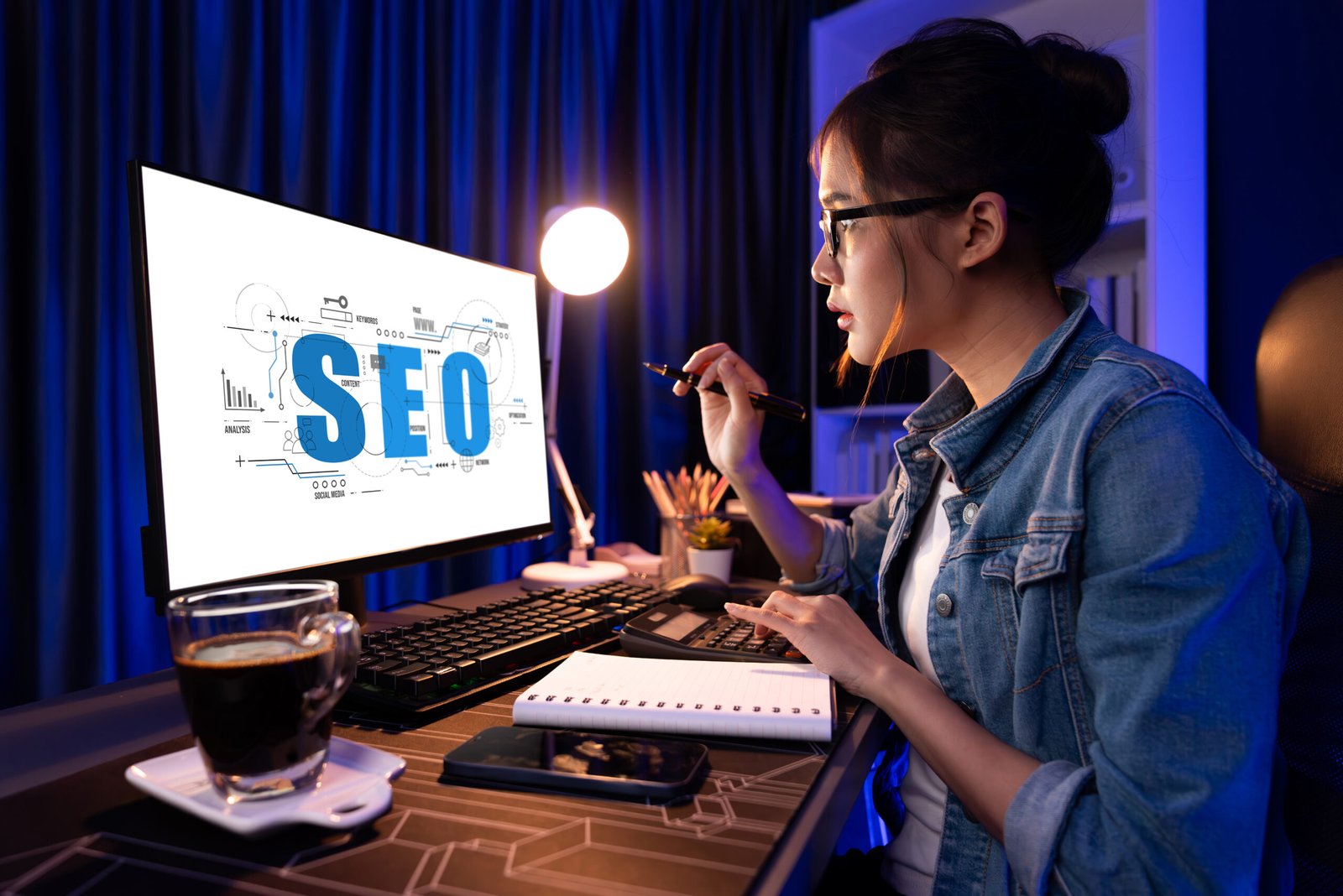
Woman working on a desktop computer displaying the words "SEO" with digital graphics, representing SEO strategies for boosting online visibility, website traffic, and e-commerce success.
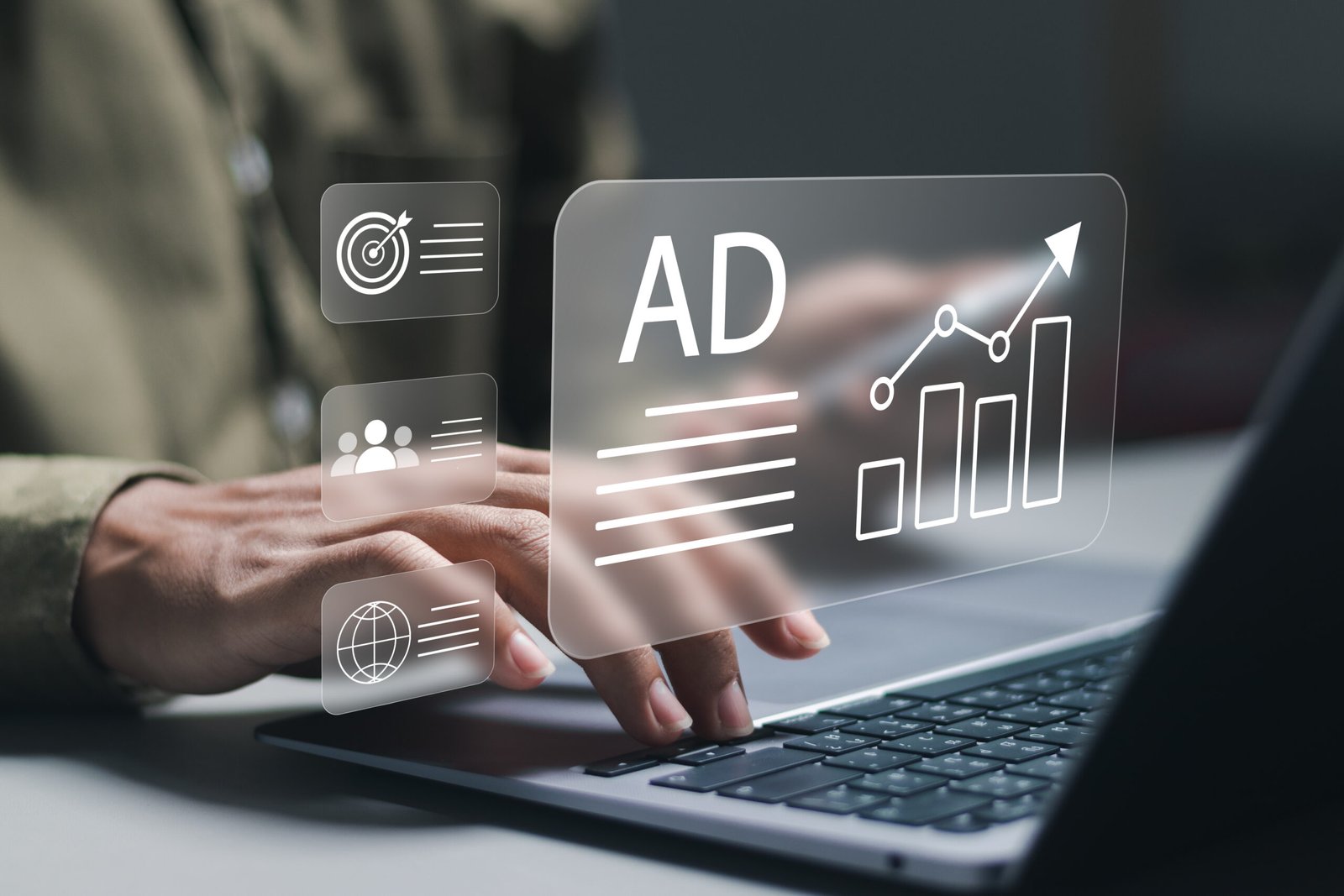
Visual representation of SEO strategies featuring charts, graphs, and digital icons, highlighting keyword research, analytics, and optimization techniques for better search engine rankings.

Introduction to Advanced SEO Strategies for E-Commerce Websites

If you have an e-commerce site, SEO is not a choice; it’s essential. At Upswing Digital, we employ sophisticated e-commerce SEO strategies to enable you to break through the noise, attract traffic, and increase revenue. This guide takes you through tested strategies, beginning with keyword research and concluding with voice search and AI-based optimisation, that yield quantifiable results. Advanced SEO strategies for e-commerce websites can help your brand achieve a lasting competitive advantage.
Advanced SEO Keyword Research for E-Commerce Sites

Strategy starts with e-commerce SEO keyword research, the foundation of advanced SEO methods for e-commerce sites. Select a combination of short- and long-tail keywords aligned with buyer intent and search volume.

Search volume versus competition: Opt for terms with high intent and reasonable difficulty through advanced SEO methods for e-commerce sites.

Amazon and competitor insights:Leverage autocomplete and tools such as SpyFu to reveal underlying questions.

LSI keywords: Mention related terms (e.g., “handmade leather wallets” as well as “artisan leather items”) to enhance your advanced SEO strategies for e-commerce websites.

Seasonal keyword fluctuations: Seasonally optimize for holiday trends and shopping seasons for e-commerce websites.

User-generated content insight: Review customer reviews for language that can enlighten your keyword selection and enhance advanced SEO strategies for e-commerce websites.

Technical SEO and Site Structure for E-Commerce Sites

Speed and structure count when it comes to advanced SEO strategies for e-commerce sites. Here’s how Upswing Digital addresses it:

Quick page load speed: Image compression, CSS/JS minification, CDNs—speed is crucial for SEO and user experience with advanced SEO strategies for e-commerce sites.

Mobile-first, crawlable architecture: Obey Google’s mobile-first guidelines, use XML sitemaps, and apply breadcrumbs. Employ logical pagination with advanced SEO methods for e-commerce sites.

Dynamic product pages: Employ canonical tags and redirect duplicates to prevent internal rivalry with advanced SEO methods for e-commerce sites.

Structured data & schema markup: Include Product, Review, and FAQ schemas to boost SERP visibility. Employ advanced methods for e-commerce sites using structured data and schema markup.

SSL encryption and security: Secure your site with SSL encryption to keep user data safe. Optimise rankings for e-commerce sites through enhanced security.

On-Page Content Optimization for Advanced SEO Strategies for E-Commerce Sites

Product page optimization ensures buyers come and convert. Implement these advanced SEO strategies for e-commerce sites:

Title tags & H1 with keywords: Descriptive titles such as “Handmade Leather Wallets – Free Shipping.” This is a part of cutting-edge SEO strategies for e-commerce websites.

Engaging, distinctive descriptions: 150–300 words with LSI terms and compelling calls to action make cutting-edge SEO strategies for e-commerce websites more effective.

Internal linking: Link from blogs, guides, and category pages to product pages for e-commerce websites.

Visual content: High-quality, compressed images with alt tags and descriptive filenames (such as “handmade-leather-wallet-brown.jpg”) help improve SEO performance.

Customer reviews: Utilize genuine reviews to establish credibility and develop long-tail content that assists with sophisticated SEO strategies for e-commerce sites.

User-centered designs: Employ clear CTAs, bullet points, and mobile-friendly design as part of your sophisticated SEO strategies for e-commerce sites.

Content Marketing and Blogging With Advanced SEO Strategies for E-Commerce Sites

Excellent content drives visibility. In Upswing Digital, we suggest these advanced SEO strategies for e-commerce sites while developing a content strategy:

Pillar and cluster model: Develop a core content hub with supporting blog posts that highlight advanced SEO strategies for e-commerce sites.

Evergreen content: Create long-term content such as purchase guides, size charts, and product comparison with advanced SEO strategies for e-commerce sites.

Data-driven blogs: Publish customer statistics or trends that naturally generate backlinks and support advanced SEO strategies for e-commerce sites.

Weekly publishing schedule: Keep things relevant and fresh on search results with advanced SEO strategies for e-commerce sites.

To conclude, include visuals, infographics, and how-to videos for more engaging media, all optimized by advanced SEO methods on e-commerce websites.

Voice Search Optimization as an Advanced SEO Method for E-Commerce Websites

As voice assistants expand, shape your tactic with advanced SEO methods for e-commerce websites:

Employ natural language, long-tail search queries (“Where can I get eco-leather wallets around me?”) as one of your advanced SEO methods for e-commerce websites.

Add FAQ sections for targeting question-based queries and improving featured snippet chances, a strategy in advanced SEO techniques for e-commerce websites.

Add geo-specific keywords for geo-targeted e-commerce SEO optimization using advanced SEO techniques for e-commerce websites.

AEO and AI for Advanced SEO Techniques for E-Commerce Websites

Search is transforming, and advanced SEO techniques for e-commerce websites nowadays comprise AEO (Answer Engine Optimization):

  • AEO/GEO/AIO practices: Organize content for AI-created responses through schema, FAQs, short paragraphs, and comprehensive topic coverage. These are effective advanced SEO methods for e-commerce sites.
  • Topical authority: Create thorough, question-driven content to indicate expertise through advanced SEO methods for e-commerce sites.
  • Regularly update content: Indicate freshness to Google and AI tools as part of your frequent advanced SEO methods for e-commerce sites.

Utilize AI platforms such as ChatGPT or Surfer SEO to refine blog outlines, keyword variations, and competitive analysis centered on advanced SEO methods for e-commerce sites. 

Even for e-commerce, backlinks are important for authority. Utilize advanced SEO methods for e-commerce sites such as:

  • Quality over quantity: Secure links through guest blogging, expert roundups, and press mentions utilizing advanced SEO methods for e-commerce sites.
  • Don’t spam backlinks: Disavow bad links which may damage your reputation.
  • Internal linking: Cross-link product pages, category pages, and blog posts for equity flow with advanced SEO strategies for e-commerce websites.

Employ HARO (Help a Reporter Out) and influencer mentions to earn high DA links that identify your utilization of advanced SEO strategies for e-commerce websites.

Analytics and Monitoring in Advanced SEO Techniques for E-Commerce Websites

SEO is never set and forgotten. Track performance with advanced SEO methods for e-commerce websites:

  • Track impressions, CTR, and conversions with Google Search Console and Analytics using advanced SEO methods for e-commerce websites.
  • Track core web vitals (FID, LCP, CLS) with advanced SEO methods for e-commerce websites.
  • Conduct A/B tests for titles, descriptions, and page layout using advanced SEO methods for e-commerce websites.
  • Update content every quarter to reflect emerging questions and search patterns with cutting-edge SEO strategies for e-commerce sites.
  • Develop SEO dashboards in Looker Studio to graphically represent KPIs in real time with cutting-edge SEO strategies for e-commerce sites.

Conclusion

Ready to Apply Advanced SEO Strategies to E-Commerce Sites?

Furthermore, with the increasing competition in today’s market, sophisticated SEO methods for e-commerce stores are inevitable for long-term success. From keyword planning and site structure to AI code and authority development, Upswing Digital provides end-to-end solutions to take your store to the next level. These sophisticated SEO methods for e-commerce stores have been tested to enhance rankings, traffic, and conversions.

Why Mobile-First Website Design matters?

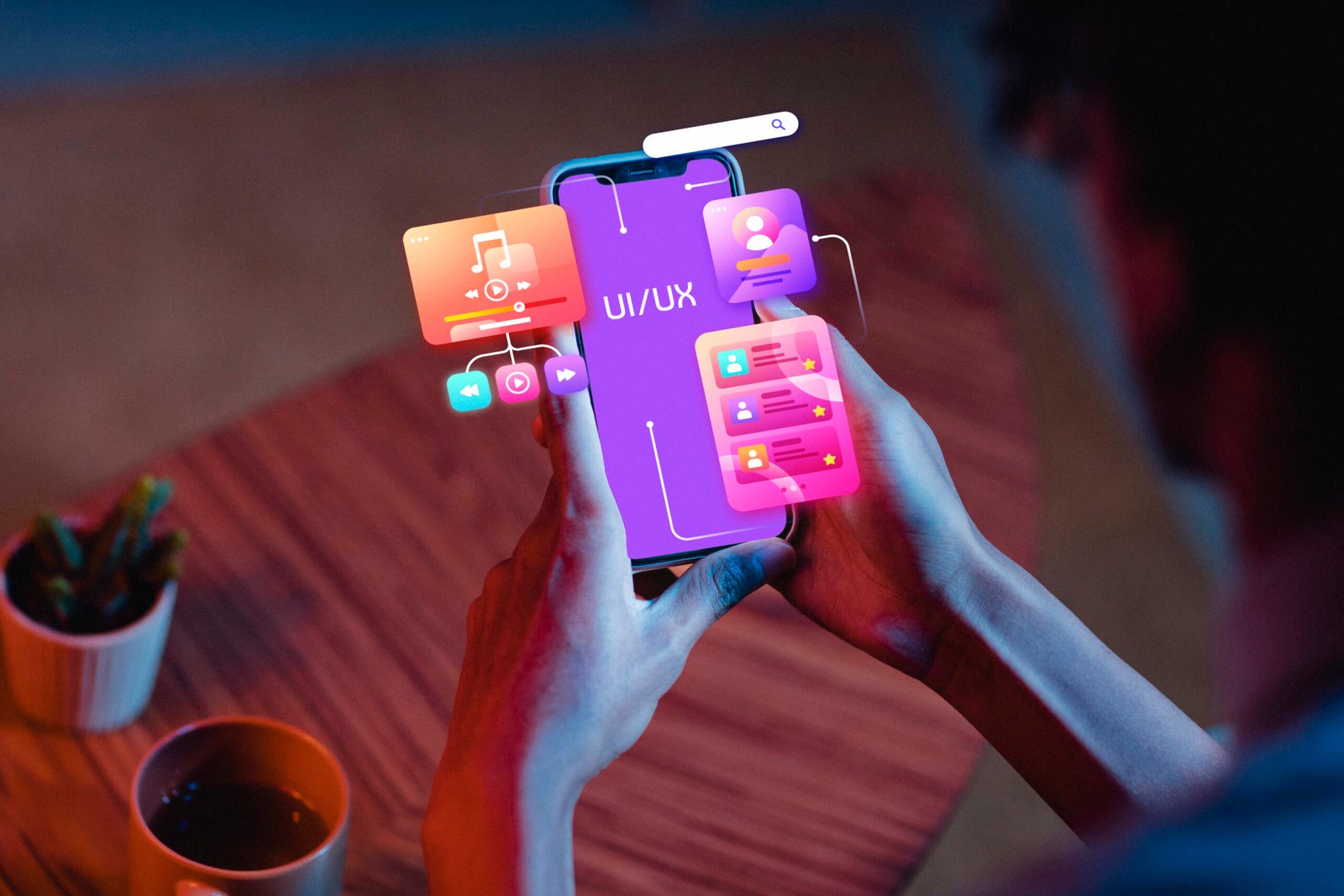
Person holding a smartphone displaying a vibrant UI/UX interface, surrounded by floating app icons and digital elements, representing Mobile-First Website Design focused on intuitive navigation, responsive layouts, and optimized user experience for mobile users.

In today’s digital era, smartphones are no longer just communication tools, they’re the primary gateway to the internet. With over half of global web traffic coming from mobile devices, having a mobile-first website design is no longer optional. It’s a necessity.

At Upswing Digital, we believe that businesses must prioritize user experience (UX), speed, and functionality on mobile screens first to ensure they stay competitive. In this blog, we’ll explore the concept of mobile-first design, why it matters, and how it benefits your business from both an SEO and user engagement standpoint.

Clean and modern dashboard interface showcasing Mobile-First Website Design with responsive layouts optimized for smartphones, highlighting user-friendly navigation, scalable typography, and intuitive touch controls.

What Is Mobile-First Website Design?

Mobile-first website design is a design strategy that starts with the mobile version of a website and then scales up for larger screens like tablets and desktops. Rather than designing a desktop website and then shrinking it to fit smaller devices, mobile-first begins with the smallest screen and builds upward.

This approach ensures that essential content, functions, and user experiences are optimized for mobile users before adding layers of complexity for larger devices.

Key Characteristics of Mobile-First Website Design:

  • Simplified navigation
  • Fast loading speed
  • Touch-friendly UI elements
  • Prioritized content
  • Responsive design framework

Why does It MATTER in 2025?

1. The Rise in Mobile Users

According to recent data, mobile devices account for more than 60% of total web traffic globally. Consumers are browsing, shopping, and engaging with content more on mobile than desktop. If your website isn’t designed with these users in mind, you risk losing a significant chunk of potential customers.

2. Improved User Experience

User experience is at the core of any successful digital strategy. A website that is hard to navigate on a mobile device will likely frustrate users and cause them to bounce. Mobile-first websites ensure that:

  • Buttons are easy to tap
  • Content is readable without zooming
  • Pages load quickly on mobile networks
  • Menus are simplified and accessible

Happy users are more likely to stay longer, engage with content, and convert into customers.

3. SEO Benefits

Google uses mobile-first indexing, which means it primarily uses the mobile version of your content for ranking and indexing purposes. If your mobile site is subpar, your SEO rankings could suffer.

Benefits of mobile-first for SEO:

  • Faster load times (a ranking factor)
  • Lower bounce rates
  • Better usability signals to Google
  • Higher chances of appearing in local search
4. Faster Page Load Speed

Page speed is critical, especially on mobile. Mobile-first designs focus on lightweight code, optimized images, and minimal scripts that improve performance. Since many users rely on mobile networks rather than broadband, a quick-loading mobile site can significantly enhance engagement.

Tips for faster mobile load times:

  • Compress images
  • Use lazy loading
  • Minimize CSS and JavaScript
  • Choose mobile-optimized fonts
5. Increased Conversions

Users behave differently on mobile than on desktop. They expect fast, easy access to information and streamlined actions. A mobile-first website focuses on:

  • Simplified forms
  • One-click call buttons
  • Easy checkouts
  • Minimal distractions

By making conversions easier on smaller screens, you increase the likelihood of turning visitors into customers.

Key Elements of Effective Mobile-First Website Design

1. Responsive Design

A responsive website adapts to all screen sizes, whether it’s a smartphone, tablet, or desktop. Mobile-first design ensures that the layout adjusts fluidly, providing consistent UX across devices.

2. Prioritized Content

On a small screen, space is limited. Mobile-first design pushes you to focus on what truly matters. Use clear calls to action (CTAs), concise headlines, and minimal copy to communicate your value fast.

3. Navigation Simplicity

Mega-menus and complex navigations don’t work well on mobile. Use:

  • Hamburger menus
  • Sticky navigation bars
  • Bottom navigation (for thumb access)

This makes your site intuitive and easy to explore on mobile.

4. Touch Optimization

Buttons, forms, and links should be designed for touch, not mouse clicks. That means:

  • Larger tap targets
  • Adequate spacing between elements
  • Minimal typing requirements
5. Minimal Design Approach

A clean, clutter-free mobile interface not only looks modern but also helps reduce load times and improve usability. Focus on white space, flat icons, and lightweight visuals.

Conclusion

Mobile-first website design isn’t just good practice, it’s essential in a mobile-dominated digital world. From better SEO and faster performance to higher user engagement and conversions, the benefits of going mobile-first are clear. Your website should not just “work” on mobile, it should shine on mobile.

If your current website struggles to meet the expectations of mobile users, it’s time for a change. A mobile-first approach sets the stage for long-term digital success, improves user satisfaction, and aligns with search engine best practices. Make your website future-ready, start with mobile.