
How Businesses Can Win Visibility Beyond Google Search

Visibility Beyond Google Search has become a crucial marketing strategy for modern businesses. While Google remains one of the most important sources of website traffic, consumer behavior is rapidly changing. Today, people discover brands through social media platforms, AI tools, video content, online communities, marketplaces, and voice search.

Businesses that focus only on traditional Google rankings risk missing a large portion of their audience. To remain competitive, brands must expand their digital presence across multiple channels and create opportunities for customers to find them wherever they spend time online.

In this article, we’ll explore practical ways businesses can improve their Visibility Beyond Google Search and build a stronger online presence.

Visibility Beyond Google Search: 7 Powerful Ways Businesses Can Boost Online Reach

Why Visibility Beyond Google Search Matters

Search engines are no longer the only place where consumers discover products and services.

Many users now search directly on:

  • Instagram
  • LinkedIn
  • YouTube
  • Facebook
  • Reddit
  • Pinterest
  • TikTok
  • AI assistants

When businesses diversify their online presence, they reduce dependency on a single traffic source and create multiple pathways for customers to find them.

Benefits include:

  • Increased brand awareness
  • More website traffic
  • Higher customer engagement
  • Improved lead generation
  • Better long-term digital growth

1. Build a Strong Social Media Presence

One of the most effective ways to achieve Visibility Beyond Google Search is through social media marketing.

Consumers spend several hours each day on social platforms. Businesses that consistently share valuable content can reach potential customers without relying entirely on search engines.

Best Practices

  • Post consistently
  • Use engaging visuals
  • Share educational content
  • Create short-form videos
  • Respond to comments and messages

Platforms like Instagram, LinkedIn, and Facebook have become search engines in their own right.


2. Optimize for AI-Powered Search

AI-driven platforms are transforming how users find information.

People increasingly ask questions through AI assistants instead of typing keywords into Google.

How to Prepare

  • Publish expert content
  • Answer common customer questions
  • Create detailed guides
  • Use clear headings and structure
  • Focus on topical authority

Brands that provide useful and trustworthy content are more likely to be referenced by AI-powered search systems.


3. Invest in Video Marketing

Video content continues to dominate digital consumption.

YouTube is the world’s second-largest search platform, making it an essential channel for Visibility Beyond Google Search.

Video Content Ideas

  • Product demonstrations
  • Customer testimonials
  • Educational tutorials
  • Behind-the-scenes content
  • Industry insights

Videos help businesses increase engagement while reaching audiences who prefer visual content.


4. Participate in Online Communities

Online communities play a major role in consumer decision-making.

People often trust recommendations from real users more than advertisements.

Valuable Communities

  • Reddit
  • Quora
  • Facebook Groups
  • LinkedIn Groups
  • Industry Forums

Businesses that contribute meaningful insights can build authority and attract highly engaged audiences.


5. Leverage Local Search Platforms

Many customers search for local businesses through platforms other than Google.

Businesses should maintain accurate profiles across multiple directories.

Important Platforms

  • Google Business Profile
  • Bing Places
  • Apple Maps
  • Justdial
  • Yelp

Consistent information across these platforms improves discoverability and customer trust.


6. Build an Email Marketing Ecosystem

Email marketing remains one of the most effective digital marketing channels.

Unlike social media algorithms, email gives businesses direct access to their audience.

Effective Email Strategies

  • Monthly newsletters
  • Product updates
  • Educational content
  • Special offers
  • Customer success stories

Email marketing strengthens customer relationships and supports long-term visibility.


7. Create Multi-Platform Content

Repurposing content allows businesses to maximize reach without constantly creating new material.

For example:

  • Convert blogs into LinkedIn posts
  • Turn webinars into YouTube videos
  • Create Instagram reels from podcasts
  • Transform case studies into social media carousels

This approach expands Visibility Beyond Google Search while improving content efficiency.


The Future of Online Visibility

The digital landscape is becoming increasingly fragmented.

Consumers now discover brands through multiple touchpoints before making purchasing decisions.

Businesses that embrace a multi-channel strategy will be better positioned to attract customers, build trust, and maintain a competitive advantage.

Success today requires visibility wherever customers search, scroll, watch, and engage.


Conclusion

Achieving Visibility Beyond Google Search is no longer optional for businesses that want to grow in today’s digital landscape. While search engine optimization remains an essential part of digital marketing, modern consumers discover brands through a wide range of platforms, including social media, AI-powered search tools, video platforms, online communities, local directories, and email. Businesses that rely solely on Google risk missing valuable opportunities to connect with potential customers across these touchpoints.

A successful digital strategy focuses on building a strong and consistent presence wherever your audience searches, scrolls, watches, and engages. By creating high-quality content, embracing emerging technologies, and maintaining visibility across multiple channels, businesses can increase brand awareness, generate qualified leads, and build lasting customer relationships.

At Upswing, we believe that sustainable growth comes from a multi-channel approach that goes beyond traditional search engine rankings. Upswing helps businesses strengthen their digital presence through SEO, content marketing, social media, AI-ready content strategies, and performance-driven campaigns that keep brands visible wherever their audience is looking.

The future of digital marketing belongs to businesses that are easy to discover—not just on Google, but across every platform that influences customer decisions. The brands that invest in broad, meaningful visibility today will be the ones that earn greater trust, stronger engagement, and long-term growth tomorrow.

7 Powerful Ways FOMO Influences Online Purchases (And How Brands Use It)

FOMO — the Fear of Missing Out — is one of the most powerful psychological forces shaping consumer behaviour online today.

It drives impulse purchases, accelerates decision-making, and turns hesitant browsers into committed buyers. And the brands that understand how FOMO influences online purchases are using it deliberately, strategically, and with remarkable results.

In this guide, we explore the psychology behind FOMO, how it shapes buying behaviour, and 7 powerful ways brands are using it to drive more sales — along with how to apply these tactics ethically in your own marketing. 

What Is FOMO and Why Does It Influence Online Purchases?

FOMO — Fear of Missing Out — is the anxious feeling that others are experiencing something rewarding or valuable that you are not part of. In a consumer context, it is the feeling that a great deal, a popular product, or an exclusive experience will be gone before you can take advantage of it.

FOMO influences online purchases because the internet has made social comparison instantaneous and constant. Consumers can see — in real time — what others are buying, what they are enjoying, and what they might be missing.

This constant visibility creates a psychological pressure that traditional offline shopping never generated. And brands that understand this pressure can design experiences that harness it to drive action.

FOMO by the Numbers:

•        Over 60% of millennials report making reactive purchases because of FOMO

•        Nearly 70% of social media users experience FOMO regularly

•        FOMO-driven purchases are made faster and with less deliberation than standard purchases

•        Scarcity and urgency messaging consistently increases conversion rates across industries

7 Powerful Ways FOMO Influences Online Purchases (And How Brands Use It)

The Psychology of FOMO in Consumer Behaviour

Why FOMO Is Such a Powerful Purchase Driver

FOMO taps into two of the most deeply wired human psychological drives: loss aversion and social belonging.

Loss aversion — the tendency to feel the pain of losing something more acutely than the pleasure of gaining something equivalent — means that the prospect of missing a deal feels worse than the prospect of getting it feels good. This asymmetry makes FOMO an exceptionally powerful motivator.

Social belonging — the need to feel included, accepted, and part of a group — means that seeing others enjoy something you do not have creates genuine psychological discomfort. Online, this discomfort is constantly amplified by social media.

How FOMO Overrides Rational Decision-Making

•        It compresses the decision timeline — reducing deliberation and increasing impulse

•        It shifts focus from price to availability — making scarcity more important than cost

•        It activates emotional rather than logical thinking — bypassing careful evaluation

•        It creates a sense of urgency that feels externally imposed rather than brand-generated

1. Limited-Time Offers and Countdown Timers

How Time Scarcity Drives FOMO in Online Purchases

Limited-time offers are one of the most direct and effective ways that FOMO influences online purchases. By attaching a deadline to a deal, brands transform a casual browsing decision into an urgent, time-sensitive choice.

Countdown timers make this urgency visual and undeniable. Every second that ticks away is a reminder that the opportunity is disappearing — and the brain responds with heightened attention and accelerated decision-making.

How to Use Limited-Time Offers Effectively

•        Display a visible countdown timer on product pages, landing pages, and in emails

•        Make the deadline specific and real — vague urgency is less effective than a precise end time

•        Use language that reinforces the time constraint — ‘Ends tonight’, ‘Only 3 hours left’

•        Send reminder emails and notifications as the deadline approaches

•        Honour the deadline — extending offers repeatedly destroys credibility and trust

Platform Application:

Instagram Stories and WhatsApp Status updates are ideal for time-limited offers because they disappear after 24 hours — creating a natural, built-in urgency that the platform itself reinforces.

2. Low Stock and Scarcity Signals

How Product Scarcity Triggers FOMO and Accelerates Purchases

Scarcity is one of the oldest and most reliable psychological triggers in marketing. When something is rare or running out, we want it more — regardless of whether we actually needed it moments before.

Online retailers use scarcity signals to communicate that a product’s availability is limited — triggering the fear that if the consumer does not act now, they will lose the opportunity entirely.

Effective Scarcity Signals for Online Purchases

•        Low stock indicators — ‘Only 4 left in stock’ displayed on product pages

•        Sold out labels on similar products — showing that demand exceeds supply

•        Limited edition product launches with a fixed, finite quantity

•        Waitlists and pre-order queues that signal high demand and limited access

•        Real-time inventory counters that update as stock decreases

The Credibility Rule:

Scarcity signals only work when they are genuine. False scarcity — claiming limited stock when inventory is actually abundant — damages trust severely when discovered. Use scarcity messaging only when it accurately reflects reality.

3. Social Proof and Real-Time Activity Notifications

How Seeing Others Buy Triggers FOMO in Online Shopping

Social proof is the psychological phenomenon where people look to the behaviour of others to guide their own decisions. Online, this manifests as reviews, ratings, testimonials — and increasingly, real-time notifications showing what other shoppers are doing right now.

Notifications like “23 people are viewing this product” or “Priya from Mumbai just purchased this” are powerful FOMO triggers. They signal that others have already made the decision — creating social pressure to follow.

Social Proof Formats That Amplify FOMO

•        Live visitor counts on product pages showing real-time demand

•        Recent purchase notifications displayed on e-commerce sites

•        Review counts and star ratings that signal widespread adoption

•        User-generated content showing real customers enjoying the product

•        Social media share counts demonstrating the content’s popularity

Why This Works:

When we see that others have already made a decision, the perceived risk of making the same decision decreases dramatically. Combined with FOMO, social proof creates a powerful double trigger — the fear of missing out amplified by the evidence that others are already benefiting.

 4. Exclusive Access and Members-Only Offers

How Exclusivity Creates the Most Powerful Form of FOMO

Exclusivity takes FOMO to its most potent level. While time-based and scarcity-based FOMO says the opportunity is running out, exclusivity-based FOMO says the opportunity was never available to everyone in the first place.

Being part of an exclusive group — early access members, VIP customers, loyalty programme subscribers — creates a sense of privilege and belonging that most people find deeply motivating.

Exclusivity Tactics That Drive Online Purchases

•        Early access launches for email subscribers before public sale

•        VIP or loyalty tiers with access to products and deals unavailable to the general public

•        Invite-only communities or membership programmes

•        Pre-launch waitlists that create anticipation and a sense of earned access

•        Members-only pricing that makes non-members feel they are missing a significant benefit

Building the Exclusivity Ladder:

The most effective exclusivity strategies create a progression — free subscribers get early access, paid members get exclusive products, premium members get personalised experiences. Each tier creates FOMO for the tier above it, continuously driving upgrades and deeper engagement.

5. Flash Sales and Unannounced Drops

How Surprise Urgency Supercharges FOMO

Flash sales and product drops combine time scarcity, product scarcity, and surprise into a single, high-intensity FOMO event. Unlike planned sales, flash sales and drops are often unannounced or announced with minimal notice — creating an immediate, urgent response.

The unpredictability is a feature, not a bug. Consumers who have missed previous drops become hyper-attentive to brand communications, never wanting to miss the next one. This trains audiences to stay engaged and act quickly.

How to Run a High-Impact Flash Sale or Product Drop

•        Announce with minimal notice — 2 to 6 hours creates maximum urgency

•        Use all available channels simultaneously — email, WhatsApp, Instagram Stories, push notifications

•        Keep the sale window genuinely short — no extensions

•        Make the offer meaningfully compelling — deep discounts or genuinely exclusive products

•        Follow up with those who missed out — building anticipation for the next drop

The Anticipation Build:

Some brands combine surprise drops with subtle teaser campaigns — cryptic social media posts, mysterious countdowns — that build anticipation without revealing specifics. This amplifies FOMO before the event even begins.

 6. Influencer and Peer-Driven FOMO

How Social Influence Amplifies FOMO in Online Purchases

When someone we admire, follow, or identify with is seen using or enjoying a product, the desire to have that same experience is immediate and powerful. Influencer marketing is, at its core, a FOMO machine — it creates a continuous stream of aspirational content that makes audiences want what the influencer has.

Peer-driven FOMO is even more powerful. While we may dismiss celebrity endorsements, seeing a friend, colleague, or community member enjoying something creates a much more personal and urgent desire to participate.

How Brands Leverage Influencer and Peer FOMO

•        Partner with influencers whose audience closely matches your target customer

•        Encourage user-generated content that shows real customers enjoying your product

•        Create referral programmes that incentivise customers to share with their network

•        Feature customer stories and testimonials prominently across all touchpoints

•        Build community spaces where customers naturally share their experiences with others

Micro-Influencer Advantage:

Micro-influencers with smaller but highly engaged audiences often generate stronger FOMO than major celebrities. Their recommendations feel more personal and believable — making the resulting FOMO feel more genuine and urgent.

7. How to Use FOMO Ethically in Your Marketing

The Difference Between Ethical FOMO and Manipulative Tactics

FOMO is an extraordinarily powerful marketing tool — and with that power comes responsibility. There is a clear line between ethical FOMO marketing, which communicates genuine scarcity and real urgency, and manipulative tactics, which manufacture false pressure to deceive consumers into buying.

Crossing that line does not just risk regulatory consequences — it destroys the trust that is the foundation of any long-term brand relationship.

Principles of Ethical FOMO Marketing

•        Only use scarcity messaging when stock or availability is genuinely limited

•        Only use countdown timers for offers with real, fixed end dates

•        Never fabricate social proof — real-time notifications should reflect actual activity

•        Be transparent about why an offer is limited or exclusive

•        Honour every deadline and constraint you communicate to your audience

Why Ethical FOMO Builds Long-Term Brand Strength

Brands that use FOMO ethically build a reputation for exclusive, high-value experiences. Their audience trusts that when they say an offer is limited, it genuinely is — which makes every future FOMO trigger more powerful and more effective.

Brands that manufacture false FOMO may see short-term conversion spikes, but they erode the trust that sustains long-term customer relationships. The short-term gain is never worth the long-term cost.

The Ethical FOMO Framework:

•        Is the scarcity or urgency real? If yes, communicate it clearly.

•        Does the offer provide genuine value? If yes, the FOMO serves the customer.

•        Would you be comfortable if the customer knew exactly how this tactic works? If yes, proceed.

Final Thoughts

FOMO influences online purchases in ways that are deep, consistent, and remarkably predictable. It bypasses deliberate thinking, compresses decision timelines, and transforms hesitant browsers into committed buyers.

The brands that understand this psychology — and apply it honestly and creatively — have a genuine competitive advantage. They create marketing experiences that do not just inform or entertain, but genuinely move people to act.

Whether through limited-time offers, scarcity signals, exclusive access, or influencer partnerships, ethical FOMO marketing is one of the most reliable tools available to any brand looking to increase conversions and drive meaningful growth.

At Upswing Digital, we help brands leverage consumer psychology strategically and responsibly, creating campaigns that drive action while building long-term trust.

Use it well. Use it honestly. And watch what happens when your audience genuinely does not want to miss what you have to offer.

Because the most effective marketing is not about creating pressure — it is about creating value that people genuinely want to be part of. Through data-driven strategy, engaging content, and audience-first campaigns, Upswing Digital helps brands turn attention into action and interest into lasting growth.

Use it well. Use it honestly. And watch what happens when your audience genuinely does not want to miss what you have to offer.

How to Reduce Ad Costs After Recent Meta Policy Changes

How to Reduce Ad Costs After Meta Policy Changes

Meta advertising is no longer what it used to be. With evolving privacy policies, AI-driven delivery systems, and stricter ad regulations, many brands are noticing one major shift: rising ad costs with unpredictable results.

But here’s the reality: the problem isn’t just the platform. It’s how strategies need to evolve with it.

Reduce ad costs today is not about spending less, it’s about spending smarter. Brands that understand the new system are still achieving strong results without increasing budgets.

1. Creative Strategy Matters More Than Ever

Meta’s algorithm now prioritizes creative performance over manual targeting, meaning the quality of your ad content plays a major role in determining reach and cost; instead of relying only on audience settings, brands need to focus on strong strategies like crafting attention-grabbing hooks within the first few seconds, using relatable and human-centered content, and continuously testing multiple variations of visuals and messaging, as high-performing creatives drive better engagement, which ultimately reduces cost per click and cost per conversion while improving overall campaign efficiency.

2. Avoid Over-Targeting Your Audience

Earlier, detailed targeting was seen as a major advantage, but today over-segmentation can actually drive up ad costs and limit performance; Meta’s AI works more effectively when given flexibility, which is why broader targeting often delivers better results, allowing the system to identify and optimize for the right audience over time, so instead of narrowing down too much, brands should adopt smarter strategies like using wider audience groups, giving campaigns enough time to gather meaningful data before making changes, and trusting automated audience expansion, as this approach reduces internal competition within small audience pools and leads to more efficient, scalable performance.

3. Focus on Conversion, Not Just Traffic

Driving traffic alone is no longer enough, because if your landing page fails to convert, your ad costs will naturally increase; to improve overall efficiency, brands need to focus on optimizing the post-click experience by simplifying landing page design, ensuring fast loading speeds, using clear and compelling calls-to-action, and maintaining strong alignment between the ad message and the landing page content, as higher conversion rates directly reduce ad costs per result, even when ad spend remains the same, making your campaigns far more effective and profitable.

4. Use First-Party Data More Effectively

With privacy updates reducing the reliability of third-party tracking, brands can no longer depend heavily on external data and must shift focus toward building and leveraging their own first-party audience data; this includes insights from website visitors, social media engagers, and existing customers, all of which provide more accurate and actionable signals, allowing businesses to create stronger retargeting strategies, as engaging warm audiences who already have some level of familiarity or interest is significantly more cost-effective and conversion-friendly than targeting completely new, cold audiences in today’s evolving digital landscape.

5. Refresh Creatives to Avoid Ad Fatigue

One of the biggest reasons behind rising ad costs is creative fatigue, where the same ad loses effectiveness over time as audiences become less responsive, leading to lower engagement and higher costs; to avoid this, brands should consistently refresh their creatives by updating visuals and messaging, experimenting with new formats, and closely monitoring performance to quickly replace underperforming ads, as keeping content fresh not only sustains audience interest but also helps maintain efficient campaigns with lower overall costs.

6. Scale Campaigns Gradually

Many brands make the mistake of scaling budgets too quickly when they see positive results, which can disrupt the algorithm’s learning phase and lead to unstable performance and higher costs; instead, a more effective approach is to increase budgets gradually, give campaigns enough time to stabilize, and scale only when performance remains consistent over time, as this controlled strategy helps maintain efficiency, protects performance, and avoids unnecessary overspending.

7. Diversify Your Marketing Channels

Relying only on Meta ads can make your marketing strategy both expensive and risky, especially as competition and costs continue to rise, which is why smart brands focus on building a balanced approach by combining paid ads with other channels like organic social media content, search engine optimization (SEO), and email marketing, as this not only reduces pressure on ad spend but also creates multiple touchpoints for the audience, ultimately improving overall marketing efficiency, strengthening brand presence, and delivering more sustainable long-term results.

8. Track What Actually Matters

Not all metrics carry equal value, and focusing only on surface-level numbers like impressions or clicks can often give a misleading picture of performance; what truly matters is the actual outcome your campaigns deliver, which is why brands should prioritize meaningful metrics such as cost per lead, cost per conversion, and return on ad spend (ROAS), as these directly reflect business impact, and with better tracking and analysis, you can clearly identify what’s working, optimize effectively, and eliminate wasted budget to improve overall efficiency.

Conclusion

Meta’s recent policy changes have made advertising more competitive and data-driven. But they have also made one thing clear, success now depends on strategy, not just spending.

Brands that focus on strong creatives, better conversion systems, and smarter data usage can still reduce ad costs and improve performance.

At Upswing, we help brands adapt to these changes with strategies designed for the current digital landscape. Because in today’s marketing world, it’s not about spending more, it’s about making every rupee work smarter.

How Retargeting Ads Can Increase Your Sales by 200%

Discover how retargeting ads re-engage visitors and increase sales by 200% with proven strategies from Upswing Digital.

Retargeting ads target users who previously interacted with your website or brand, showing them tailored ads across platforms to recapture interest. This strategy leverages cookies or pixels to follow warm leads, turning browsers into buyers effectively. Upswing Digital specializes in optimizing these campaigns for maximum impact.

Businesses often lose 70% of website visitors without conversion, but retargeting brings them back with personalized reminders. Studies show retargeted visitors convert 43% more than first-time ones, making it essential for sales growth. At Upswing Digital, we craft retargeting solutions that align with your goals.

What Are Retargeting Ads?
Core Mechanics of Retargeting

Retargeting ads display customized messages to past visitors on sites like Google, Facebook, or LinkedIn based on their behavior. Pixels track actions such as viewing products or abandoning carts, enabling dynamic ads featuring those exact items. This familiarity boosts click-through rates by 76% over standard display ads.

Types of Retargeting Strategies

Display Retargeting: Shows banner ads on partner networks to remind users of your brand.

Search Retargeting: Targets users searching related keywords who visited your site before.

Dynamic Retargeting: Automatically populates ads with specific products users viewed, tripling conversions in some cases.​

Upswing Digital implements these types seamlessly for e-commerce and B2B.

Why Retargeting Ads Drives 200% Sales Growth?

Retargeting taps into high-intent audiences already familiar with your offerings, reducing acquisition costs significantly. Data reveals it can skyrocket conversions by up to 200%, as seen in case studies where signups doubled through precise ad delivery. Cart abandonment drops by 26%, directly lifting revenue.

Retargeting delivers a significant impact on sales performance, with retargeted customers converting up to 70% more readily than new traffic and brand awareness increasing by as much as 500% in search results. Optimized campaigns can achieve ROI levels of around 590% while reducing cost per acquisition by 33%, and these results are further amplified when combined with smart bidding strategies like Google’s target CPA.

Retargeting Ads: Boost Sales by 200% | Upswing Digital
Implementing Retargeting for Maximum ROI

Start by installing tracking pixels on your website using platforms like Google Ads or Meta to capture user behavior data. Next, segment your audiences based on actions—such as cart abandoners or users who viewed key pages within the last 180–540 days—to enable more targeted campaigns. Create responsive ads that highlight your brand, clear value propositions, and strong messaging to improve click-through rates.

Define medium-intent keywords aligned with your core content themes to attract the right audience, and exclude existing customers when your goal is to acquire new prospects. Finally, use UTM parameters to track performance accurately and continuously optimize your campaigns for better results.

Best Practices from Upswing Digital

Test ad creatives with title case headlines and pinned differentiators like “Generate Revenue, Not Leads.” Monitor demographics, reach, and engagement metrics regularly. Upswing Digital‘s experts handle segmentation and bidding to ensure 147% average conversion lifts.

Challenges and Solutions in Retargeting

Frequency caps prevent ad fatigue, keeping campaigns fresh. Privacy updates like cookie deprecation require first-party data strategies, which Upswing Digital navigates expertly. Always prioritize compliant targeting for sustained 200% sales boosts.

Conclusion

Retargeting ads offer a powerful pathway to boost sales by up to 200% by re-engaging high-intent visitors with personalized, timely messaging across digital platforms. Businesses leveraging these strategies see dramatic lifts in conversions, reduced cart abandonment, and superior ROI compared to cold traffic campaigns. Upswing Digital has helped numerous clients achieve these results through precise audience segmentation and optimized ad creatives. Key benefits include 70% higher conversion rates from retargeted users and up to 590% ROI in well-executed setups.

The Truth About High-Performing Ad Creatives

In today’s digital world, people see hundreds of ads every day on social media, websites, and apps. Because of this, creating ads that truly perform has become more difficult than ever. Many brands believe that eye-catching designs or large ad budgets guarantee success, but that is not the real story.
The truth is that high-performing ad creatives succeed because they are clear, relevant, and well-planned. Great ads are built by understanding people, platforms, and messaging not by chance.

What Are High-Performing Ad Creatives?

High-performing ad creatives are ads that consistently meet their goals. These goals may include getting more clicks, leads, sales, or increasing brand awareness. Such ads capture attention quickly and communicate the message clearly.
Instead of focusing only on visuals, effective ad creatives balance design, messaging, and relevance. They speak directly to customer needs and provide simple solutions.

The Biggest Myth: Design Alone Drives Results

Many people believe that ads with fancy designs always perform better. While design is important, it is not the main reason an ad succeeds. In many cases, simple ads perform better because they are easy to understand.
High-performing ad creatives focus on clarity rather than decoration. If users cannot understand the message within a few seconds, they will scroll past the ad, no matter how good it looks.

The Truth Behind High-Performing Ad Creatives
Clarity Beats Creativity in Ad Performance
Clear Messages Drive Faster Decisions

Creativity helps ads stand out, but clarity drives action. An ad should clearly explain what is being offered and why it matters to the audience. Users should not need extra time to understand the message.

One Message Works Better Than Many

High-performing ad creatives focus on one strong idea. Trying to communicate multiple messages in one ad often leads to confusion and lower engagement.

Understanding the Audience Makes the Biggest Difference

One of the main reasons ads fail is because they are not made for the right audience. High-performing ad creatives are based on real audience insights, not guesses. Knowing what your audience needs, worries about, or wants helps create messages that feel relevant.
When ad creatives reflect real customer problems and emotions, users feel understood. This emotional connection makes them more likely to engage and take action.

Different Platforms Need Different Ads

An ad that works well on one platform may not perform the same way on another. Each platform has its own style and user behavior. High-performing ad creatives are always created based on the platform they appear on.
For example, short videos usually work better on social media, while simple images may work better on display ads. Understanding these differences helps create ad creatives that perform better.

Strong Messaging Drives Better Results

Clear messaging is the foundation of good ad creatives. A strong headline, easy-to-read text, and a clear call-to-action help users understand what to do next.
High-performing ad creatives talk to the audience in a simple and friendly way. Instead of sounding like an advertisement, they feel like helpful suggestions or solutions.

Emotions Play a Big Role in Ad Performance

People often make decisions based on emotions first and logic later. High-performing ad creatives connect with emotions like trust, curiosity, urgency, or excitement. When ads show how a product or service can solve a problem or improve life, they feel more relatable. This emotional connection helps ads hold attention and increase engagement.

Consistency Helps Build Brand Trust

Seeing the same style, tone, and message repeatedly helps people recognize and trust a brand. High-performing ad creatives match the brand’s overall look and voice.
When users see consistent ad creatives over time, they feel familiar with the brand. This familiarity builds confidence and increases the chances of clicks and conversions.

Testing Helps Improve Ad Performance

No ad is perfect from the beginning. High-performing ad creatives are usually the result of testing different versions. Brands test headlines, visuals, and formats to see what works best.
By analyzing results and making changes, businesses can improve ad performance over time. Testing removes guesswork and helps create ads based on real data.

Simple Ads Often Perform Better

Simple ad creatives are easier for users to understand and remember. Ads with too much text or too many design elements can feel overwhelming. High-performing ad creatives focus on one goal and guide the user smoothly toward it. Keeping things simple helps reduce confusion and encourages action.

Authentic Content Builds Stronger Connections

Today’s audience prefers ads that feel real and honest. Ads that look too polished or promotional may feel less trustworthy. High-performing ad creatives often include real people, genuine stories, or behind-the-scenes content. Authentic ads build trust and help create long-term relationships with customers.

High-Performing Ad Creatives Are Not Accidental

Successful ads are created through research, planning, and improvement. High-performing ad creatives are not lucky accidents. They are the result of understanding what works and why.
Brands that focus on strategy and testing see more consistent results than those that rely on guesswork.

Conclusion

The truth about high-performing ad creatives is simple. They work because they are clear, relevant, audience-focused, and tested regularly. Good ads are not just attractive; they are meaningful and useful.
By focusing on clarity, simplicity, and authenticity, brands can create ad creatives that capture attention and drive real business results. In a competitive digital world, the ads that truly perform are the ones that connect with people in a genuine way.

Why Engagement Rate Is More Important Than Follower Count?

For years, follower count was seen as the ultimate measure of success on social media. Brands chased high numbers, creators focused on growing audiences quickly, and popularity was often mistaken for influence. But today, that mindset is changing. In a digital landscape driven by algorithms, authenticity, and meaningful interaction, engagement rate has become far more valuable than follower count.

Engagement rate reflects how actively an audience interacts with content through likes, comments, shares, saves, and conversations. Unlike follower numbers, which can be inflated or inactive, engagement shows real interest, trust, and connection. For brands and creators aiming for impact not just visibility, engagement is the metric that truly matters.

1. Follower Count Doesn’t Reflect Real Influence

A large follower count looks impressive, but it doesn’t guarantee influence. Many accounts have thousands or even millions of followers who rarely interact with posts. Some followers may be inactive, uninterested, or even fake. This creates a misleading sense of popularity.

Engagement rate, on the other hand, shows how many people actually care about the content. A smaller account with strong engagement often has more influence than a large account with low interaction. Brands today recognize that reach without response delivers little value.

2. Engagement Signals Trust and Audience Quality

High engagement indicates trust. When users like, comment, save, or share content, they’re showing genuine interest. These actions require effort, which means the content resonates emotionally or provides real value.

An engaged audience is more likely to listen, respond, and take action. This makes engagement rate a strong indicator of audience quality, not just quantity. For brands, partnering with creators who have loyal, engaged communities often delivers better results than working with accounts that simply have large followings.

3. Algorithms Prioritize Engagement, Not Followers

Social media algorithms don’t reward follower count anymore. Platforms like Instagram, TikTok, and LinkedIn push content based on engagement signals such as watch time, saves, comments, and shares.

This means content from accounts with fewer followers but high engagement can outperform posts from larger accounts. Engagement helps content reach new audiences organically, while follower count alone does not guarantee visibility. To grow sustainably, brands and creators must focus on creating content people want to interact with.

9 Reasons Why Engagement Rate Matters More Than Followers
4. Engagement Drives Better Conversions

Follower count rarely translates directly into sales. Engagement does. People are more likely to trust recommendations from accounts they actively interact with. When an audience regularly engages with content, they’re more open to suggestions, product launches, and calls to action.

High engagement leads to higher click-through rates, better lead quality, and stronger conversion potential. For businesses, this means improved return on investment compared to campaigns focused purely on reach.

5. Micro-Influencers Outperform Mega Influencers

The rise of micro-influencers proves that engagement matters more than size. Creators with smaller but highly engaged audiences often see higher interaction rates, stronger community trust, and better brand alignment.

Micro-influencers feel more relatable and accessible, which drives authentic conversations. As a result, many brands now prioritize engagement metrics over follower count when selecting influencer partnerships.

6. Engagement Builds Community, Not Just Visibility

Follower growth focuses on numbers, but engagement builds relationships. When audiences comment, reply, and share, a two-way conversation forms. This interaction creates a sense of community, making followers feel seen and valued.

Communities drive long-term loyalty. Engaged followers are more likely to return, recommend the brand, and defend it in public discussions. This level of connection can’t be achieved by follower count alone.

7. Engagement Provides Actionable Insights

Engagement metrics reveal what content works and what doesn’t. Comments, saves, and shares provide valuable feedback about audience preferences, pain points, and interests.

Follower count offers no such insight. Brands that track engagement can refine content strategies, improve messaging, and create more relevant campaigns. Engagement-driven insights help businesses grow smarter, not just bigger.

8. High Engagement Protects Against Algorithm Changes

Follower count is vulnerable to platform changes. Algorithm updates can instantly reduce reach, regardless of how many followers an account has. Engagement, however, helps maintain visibility because platforms prioritize content that generates interaction.

An engaged audience ensures consistent reach even when algorithms shift. This makes engagement a more reliable metric for long-term growth.

9. Brands Get Better ROI from Engagement-Focused Strategies

Brands that focus on engagement spend less on paid reach and gain more organic exposure. Engagement-driven content performs better, lasts longer, and delivers stronger results.

Rather than chasing vanity metrics, smart brands measure success through meaningful interactions. This approach leads to higher retention, stronger brand recall, and improved performance across marketing campaigns.

Conclusion

Follower count may still look impressive, but engagement rate tells the real story. It reflects trust, relevance, and influence in ways numbers alone never can. In today’s algorithm-driven and authenticity-focused digital world, engagement determines visibility, growth, and conversions.

At Upswing, we help brands shift their focus from vanity metrics to meaningful performance. By creating content strategies that drive conversation, interaction, and community, we ensure brands don’t just grow followers, they build real connections that convert.

Because in modern marketing, it’s not about how many follow you, but how many truly engage with you.

Instagram vs. Google: Which One Should Your Brand Focus On?

Instagram vs Google

Today, every brand wants online attention but choosing the right platform can be confusing. Two of the most powerful platforms are Instagram and Google. Both are popular, both have millions of users, and both can help your business grow. But they work in totally different ways.This is where the comparison of Instagram vs. Google often becomes important.

If you’ve ever asked yourself, “Should my brand focus on Instagram or Google?” This blog will make things simple. Choosing the right platform can impact your brand visibility, sales, engagement, and long-term success.

This blog breaks down how each platform works, what type of brands benefit the most, and how to choose the best channel for your marketing goals – especially when comparing Instagram vs. Google.

Instagram vs Google

Understanding Instagram and Google

What Instagram Offers

Instagram is a highly visual social media platform, people come here to look at photos, short videos, Reels, Stories, and creative content. Brands use Instagram to show their style, personality, and products in a fun and engaging way.

Instagram helps with:

– Brand awareness
– Engagement (likes, comments, shares, saves)
– Community building
– Visual storytelling
– Influencer collaborations
– Showing real customer content (UGC)

What Google Offers

Google is the world’s biggest search engine. People use Google when they need something, whether they want to buy, learn, compare, or find a solution. That’s why Google is perfect for capturing high-intent customers. Google mostly focuses on optimization through SEO, blogs, websites, Google Ads, and local search.

Google helps with:

– Bringing traffic to your website
– Getting more leads and sales
– Ranking for search keywords
– Appearing on Google Maps
– Long-term visibility through SEO

Instagram vs. Google – Key Differences

When comparing Instagram vs. Google, the differences become very clear:

Audience Behavior

Instagram users browse for inspiration, entertainment, and trends. They don’t always intend to buy, but well-designed posts, Reels, and testimonials can influence them emotionally.

Google users search with a goal. They are looking for answers, solutions, services, or products. This makes Google extremely powerful for conversions.

Content Format

On Instagram:
– Reels and short videos dominate
– Aesthetic visuals matter
– Consistency is key
– Trends change quickly

On Google:
– Long-form blogs matter
– SEO keywords matter
– Detailed, helpful content wins
– Evergreen content lasts for years

Growth Speed

Instagram growth is often faster due to viral content, Reels, and trending hashtags.

Google growth takes longer, SEO usually takes 3-6 months before you see results, but once you rank, traffic flows for free, for years.

Ads and Costs

Instagram Ads:
– Great for quick visibility
– Works well for impulse purchases
– Best for visual products

Google Ads:
– Targets people searching for your product
– Great for competitive industries
– Higher cost sometimes but better intent

Comparing Instagram vs Google for Your Brand Goals

If Your Goal Is Brand Awareness

Choose Instagram. It’s built for scrolling, visuals, and fast engagement. UGC, Reels, and viral content can skyrocket your reach.

Ideal for:
– Fashion & beauty
– Fitness
– Travel
– Food & restaurants
– Lifestyle
– Skincare
– Artists, salons, and creators

If Your Goal Is Sales & Lead Generation

Choose Google.
People searching on Google already want something. If your website ranks for the right keywords, conversions are higher.

Ideal for:
– Service-based businesses
– E-commerce stores
– Real estate
– Medical & wellness
– Local services
– Tech & gadgets
– Education & training

If Your Goal Is Long-Term Traffic

Choose Google, SEO blogs and optimized pages continue bringing traffic even if you stop posting.
Instagram requires daily or weekly posting for consistent visibility.

If You Want a Community

Choose Instagram, It’s excellent for building a loyal audience. People can follow you, engage with your content, and bond with your brand.

Which Platform Performs Better for Different Types of Brands?

Product-Based Brands

Both platforms work but in different ways.
– Instagram helps with showcasing products, unboxing videos, influencer marketing, and UGC.
– Google helps with driving search traffic through product pages, blogs, and Google Shopping ads.

Service-Based Brands

Google performs better for high-intent searches.
Example: “best salon near me”, “digital marketing service”, “personal trainer”.

But Instagram helps build credibility through photos, testimonials, and Reels.

Best choice: Start with Google, support with Instagram.

Local Businesses

oogle My Business is essential for:
– Maps ranking
– Local reviews
– Calls & directions
But Instagram helps showcase your work visually.
Best choice: Google for discovery + Instagram for engagement.

Creator or Influencer Brands

Instagram is a must.
You need to show your personality, style, and niche visually.
Google matters only if you have a blog or website.

Pros and Cons of Instagram and Google

Pros of Instagram

– Fast growth potential
– Great for visuals
– Ideal for community building
– High engagement
– Better for UGC and influencer marketing

Cons of Instagram

– Requires continuous posting
– Algorithm changes frequently
– Organic reach can be unpredictable

Pros of Google

– Long-term traffic
– High conversions
– Great for SEO
– Helps with brand credibility
– Users have strong purchase intent

Cons of Google

– SEO takes time
– Competitive keywords can be costly
– Requires consistent content strategy

When Should Your Brand Focus on Both Instagram and Google?

You should choose both if you want:
– Brand awareness + conversions
– Fast reach + long-term traffic
– Visual branding + search visibility


Examples:
– Salons & beauty brands
– Fashion boutiques
– Fitness centers
– Real estate agencies
– Restaurants & cafés
– Ecommerce stores

Instagram builds your brand identity, Google brings customers with intent, Together, they create powerful results.

Conclusion

So, Instagram vs Google – which one should your brand focus on?
The answer depends on your goals.

– If you want visibility, engagement, UGC, and aesthetics → Choose Instagram.
– If you want leads, sales, website traffic, and long-term growth → Choose Google.
– If you want the best results across all stages of the customer journey → Use both platforms together.

Your brand doesn’t have to choose one forever. Start with the platform that aligns with your immediate goals, then expand as you grow. When used strategically, Instagram and Google can powerfully complement each other and take your brand to the next level.

How to Set Up Google Ads Campaign That Convert

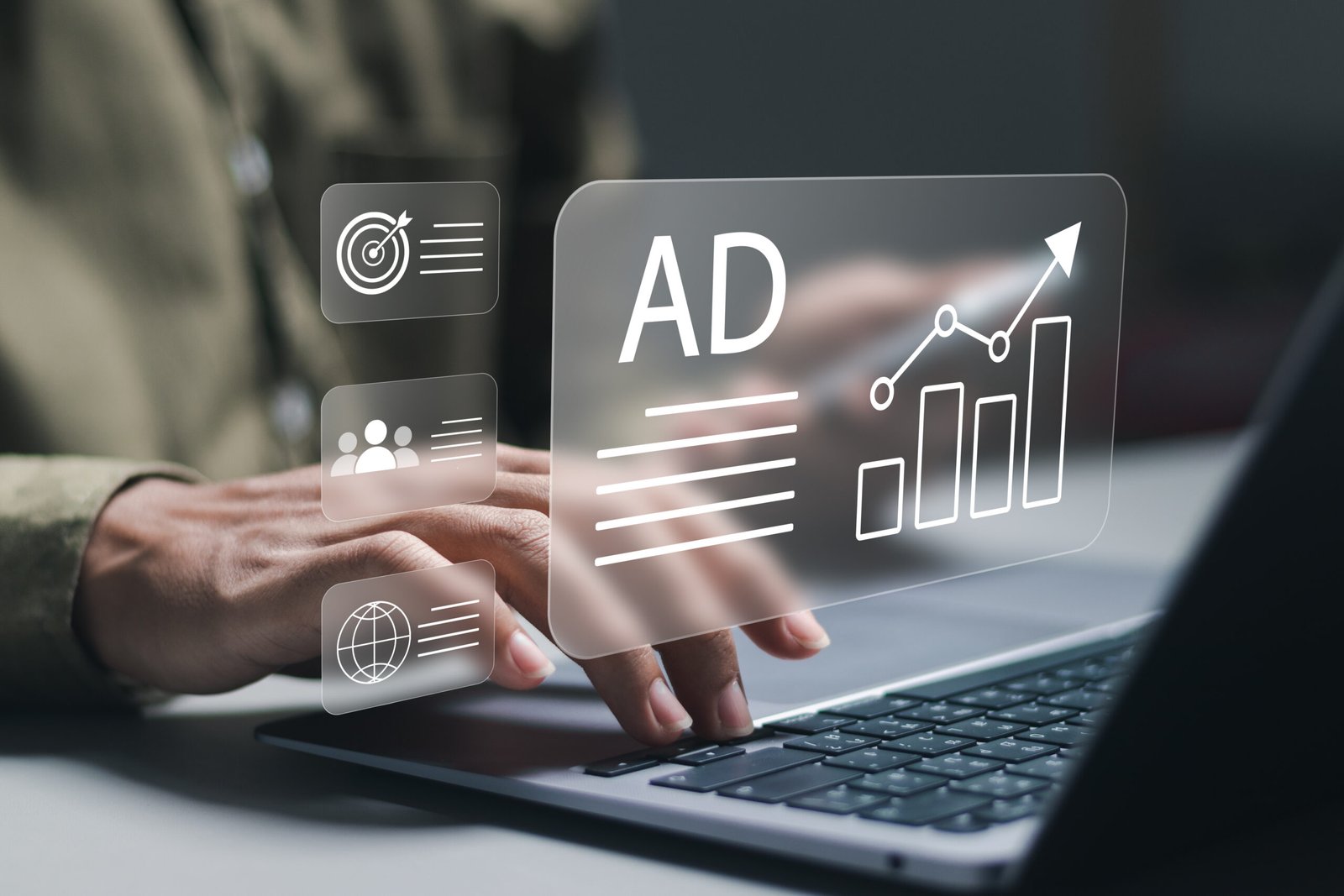
A person working on a laptop with digital marketing icons overlaid, including a growth chart, target audience symbol, and the word “AD,” symbolizing campaign performance. The image represents strategic planning and execution of Google Ads that convert, focusing on effective targeting, global reach, and measurable results.

Google Ads is one of the most powerful tools in digital marketing, but without the right setup, your budget can vanish fast. A well-structured campaign not only brings traffic but also ensures conversions. Whether you want more leads, sales, or sign-ups, this guide walks you through every step to create a high-performing Google Ads campaign that delivers results.

Step 1: Define Your Campaign Goals in google ads

Before you touch the dashboard, know what you want to achieve. Your objective will shape your campaign type, ad copy, budget, and more.

Common Campaign Goals:

  • Increase website traffic
  • Generate leads or sales
  • Promote brand awareness
  • Drive calls or app installs

Step 2: Choose the Right Campaign Type in google ads

Google Ads offers multiple campaign formats. Picking the right one is crucial to targeting the right audience.

  • Search Campaign – Text ads on Google search results
  • Display Campaign – Image ads across websites and apps
  • Video Campaign – YouTube video promotions
  • Shopping Campaign – Product-based ads for e-commerce
  • Performance Max – Automated, cross-channel ads driven by machine learning

Tip: For service-based businesses, a Search Campaign is usually the best starting point.

Step 3: Keyword Research and Match Types

Keywords trigger your ads. Choosing the right ones ensures your ads show to people actively looking for what you offer.

Hacks for Better Keywords:

  • Use tools like Google Keyword Planner or Ubersuggest
  • Focus on long-tail keywords for better intent
  • Understand match types:
    • Broad Match: Wider reach, less control
    • Phrase Match: More precise, moderate control
    • Exact Match: Highly targeted, least waste

Step 4: Create Compelling Ad Copy

Ad copy makes or breaks your campaign. It needs to be clear, relevant, and action-driven.

Best Practices:

  • Include your target keyword in the headline
  • Add a clear CTA (e.g., “Get a Free Quote”)
  • Highlight USPs (e.g., 24/7 Support, Free Shipping)
  • Use all available headline and description fields

Step 5: Set Budget and Bidding Strategy in google ads

Google Ads allows full control over how much you spend per day and how you bid for clicks or conversions.

Bidding Options:

  • Manual CPC: You control the max bid per click
  • Maximize Conversions: Let Google optimize for more leads
  • Target CPA: You set a cost-per-acquisition goal

Start with a modest daily budget and optimize as you gather data.

Step 6: Use Ad Extensions for Better Visibility

Ad extensions provide additional information and improve CTR (Click-Through Rate).

Useful Extensions:

  • Sitelink: Direct links to specific pages
  • Call: Add a phone number
  • Location: Show business address
  • Callout: Highlight offers like “Free Returns” or “No Setup Fees”

Step 7: Track, Test & Optimize google ads

Once your campaign is live, monitor its performance closely. Google Ads gives deep insights through metrics like CTR, Quality Score, and Conversion Rate.

Ongoing Optimization Tips:

  • Pause underperforming keywords
  • A/B test ad copies regularly
  • Adjust bids based on location, time, and device
  • Improve landing pages for a better user experience

Conclusion

Google Ads campaign that converts isn’t about spending more; it’s about setting it up the right way. With clear goals, solid targeting, compelling copy, and continuous optimisation, you can create campaigns that drive real business results. Start small, stay consistent, and scale as you learn what works.