
Technical SEO Updates Every Website Owner Should Know

Search engines evolve constantly, and so should your website. For business owners, marketers, and entrepreneurs, technical SEO is no longer optional; it’s the backbone of online visibility. At Upswing Digital, we believe simplifying complex SEO concepts helps every website owner take control of their growth. The golden rule is simple: stay ahead with technical SEO updates to future-proof your website.

Why Technical SEO Matters

Technical SEO ensures that search engines can crawl, index, and rank your website effectively. Without it, even the most creative content may remain invisible. Think of it as the foundation of your digital house if the structure isn’t solid, the design won’t matter.

Core Technical SEO Updates You Shouldn’t Ignore

Mobile-First Indexing

Google now prioritizes mobile versions of websites. Responsive design, fast loading times, and easy navigation are critical. By optimizing for mobile, you stay ahead with technical SEO updates to future-proof your website.

Page Speed Optimization

Speed is a ranking factor. A slow site frustrates users and signals poor quality to search engines. Use tools like Google PageSpeed Insights, implement lazy loading, and minimize JavaScript. Faster sites not only improve user experience but also help you stay ahead with technical SEO updates to future-proof your website.

Structured Data & Schema Markup

Structured data helps search engines understand your content better. Adding schema markup can enhance visibility with rich snippets. Highlight reviews, FAQs, and product details to strengthen your SEO foundation.

Technical SEO Updates for Better Rankings
Emerging Trends in Technical SEO

Core Web Vitals

Google’s Core Web Vitals measure user experience through metrics like loading speed, interactivity, and visual stability. Optimizing these ensures your site remains competitive in search rankings.

AI and SEO Automation

Artificial intelligence is reshaping SEO. Tools now automate audits, keyword tracking, and even content suggestions. Leveraging AI means you stay ahead with technical SEO updates to future-proof your website.

Voice Search Optimization

With smart devices everywhere, voice search is growing. Optimizing for conversational queries and local SEO ensures your site is ready for the future.

Practical Steps for Website Owners

Regular SEO Audits

Conducting audits helps identify issues before they impact rankings. Checking crawl errors, broken links, and site structure ensures you stay ahead with technical SEO updates to future-proof your website.

User Experience First

Search engines reward websites that prioritize user experience. Simplify navigation, use clear CTAs, and avoid intrusive pop-ups.

Continuous Learning

SEO is dynamic. What works today may not work tomorrow. Following Google updates and engaging with SEO communities keeps your strategies fresh.

Conclusion

Technical SEO is not about chasing algorithms, it’s about creating a seamless experience for users and search engines alike. By focusing on mobile-first design, speed, structured data, and emerging trends like Core Web Vitals and voice search, you can future-proof your website. At Upswing Digital, we simplify SEO so every website owner can take actionable steps without feeling overwhelmed. The key takeaway is clear: stay ahead with technical SEO updates to future-proof your website.

Performance Marketing vs Brand Marketing: What Should You Prioritize in 2026?

Marketing in 2026 is no longer about choosing one strategy over another it’s about balance, adaptability, and aligning with evolving consumer expectations. Businesses are facing a rapidly changing digital landscape where both performance marketing vs brand marketing play critical roles. The challenge lies in knowing which approach deserves more focus depending on your goals, industry, and audience.

Performance Marketing vs Brand Marketing

Understanding Performance Marketing

Performance marketing is results driven. It focuses on measurable actions such as clicks, conversions, leads, and sales. Every dollar spent is tied to a specific outcome, making it highly attractive for businesses that want immediate returns.

Key Features of Performance Marketing

– Measurable ROI with campaigns tracked in real time.

– Budget efficiency by optimizing spend toward channels that deliver conversions.

– Scalability, allowing campaigns to expand quickly based on performance data.

– Targeted reach, ensuring ads are shown to audiences most likely to convert.

In 2026, performance marketing continues to evolve with advanced analytics, automation, and personalized targeting. For startups and e-commerce brands, this approach remains indispensable for driving short-term growth.

Understanding Brand Marketing

Brand marketing is about building identity, trust, and long-term loyalty. It focuses on shaping perceptions, creating emotional connections, and positioning a company as more than just a product or service.

Key Features of Brand Marketing

– Emotional resonance that builds deeper relationships with audiences.

– Long-term value through recognition and credibility.

– Consistency across channels to ensure unified messaging.

– Cultural relevance by aligning with consumer values and social trends.

In 2026, brand marketing is increasingly vital as consumers demand authenticity, sustainability, and purpose-driven messaging. Companies that invest in brand equity often enjoy higher customer retention and resilience against market fluctuations.

Performance Marketing vs Brand Marketing: The Core Differences

Performance marketing is focused on immediate results, measured by clicks, conversions, and ROI. It thrives on short-term campaigns and transactional relationships. Brand marketing, on the other hand, is about long-term loyalty, awareness, and emotional connection. It requires consistent investment and patience but pays off with stronger recognition and customer trust.

While performance marketing is flexible and data-driven, brand marketing is strategic and consistent. One delivers quick wins, the other builds lasting value.

Why 2026 Demands a Balanced Approach

The digital ecosystem in 2026 is shaped by privacy regulations, AI-driven personalization, and consumer skepticism toward intrusive advertising. Relying solely on one strategy is risky.

Trends Driving the Shift

– Data privacy laws are limiting tracking, making performance marketing more challenging.

– Consumer trust is harder to earn, making brand marketing essential.

– Omnichannel journeys mean customers interact with brands across multiple touchpoints.

– Sustainability and purpose-driven values are influencing purchase decisions.

Businesses that integrate both strategies using performance marketing for measurable growth and brand marketing for long term trust will thrive.

When to Prioritize Performance Marketing

Performance marketing should be prioritized if:

– You’re launching a new product and need immediate traction.

– Your business model relies heavily on conversions, such as e-commerce.

– You have limited budgets and need quick ROI.

– You’re testing new markets or audiences.

In these cases, focusing on performance marketing vs brand marketing ensures that resources are directed toward measurable outcomes.

When to Prioritize Brand Marketing

Brand marketing should take precedence if:

– You’re in a competitive industry where differentiation is key.

– Your audience values authenticity and purpose.

– You aim to build long-term loyalty and recognition.

– You want resilience against market shifts and ad fatigue.

For established businesses, prioritizing performance marketing vs brand marketing often means leaning more toward brand building to sustain growth.

The Ideal Strategy: Integration

The most successful companies in 2026 will not choose one over the other. Instead, they will integrate both approaches:

– Use performance marketing to drive immediate conversions.

– Invest in brand marketing to build trust and recognition.

– Align both strategies under a unified vision.

This integration ensures that short-term wins contribute to long-term success.

Actionable Steps for Businesses in 2026

1. Audit your current strategy to identify whether your focus is too skewed toward one side.

2. Define clear goals short-term sales versus long-term loyalty.

3. Allocate budgets wisely, dedicating a percentage to performance campaigns and another to brand-building.

4. Leverage data and storytelling by combining analytics with authentic narratives.

5. Monitor trends to stay updated on consumer behavior and regulatory changes.

    By following these steps, businesses can strike the right balance between performance marketing vs brand marketing.

    Conclusion

    In 2026, the debate over performance marketing vs brand marketing is less about choosing one and more about harmonizing both. Performance marketing delivers measurable growth, while brand marketing ensures sustainability and trust. Companies that integrate these strategies will not only survive but thrive in a competitive digital landscape.

    Things Every Brand Should Rethink About SEO in 2026

    SEO strategies for 2026 are reshaping how brands approach visibility, authority, and measurable digital growth in an AI-driven search landscape.. In 2026, brands must rethink how they approach visibility, user intent, and digital experience as AI-powered search, voice queries, and zero-click results reshape discovery. Traditional optimization tactics are no longer sufficient; success now depends on integrating technical strength, high-value content, and seamless user journeys into a unified strategy that prioritizes relevance, authority, and engagement.

    To remain competitive, businesses need forward-thinking SEO strategies for 2026 must align with AI-driven search behavior and experience-led optimization., evolving user behavior, and measurable ROI objectives. This means focusing on experience-led optimization, intelligent content planning, structured data implementation, and conversion-focused performance tracking. Brands that proactively adapt will not only protect their organic visibility but also create scalable, sustainable growth in an increasingly competitive digital landscape.

    SEO strategies for 2026

    1. User Experience (UX) Takes Center Stage

    Google’s emphasis on user experience is not new, but it’s becoming increasingly important. Brands should focus on creating seamless, intuitive, and engaging experiences for their users.

    – Page Speed: Ensure your website loads quickly (less than 3 seconds) to reduce bounce rates and improve rankings.

    – Mobile-First: With mobile devices accounting for over 50% of web traffic, prioritize mobile-friendly designs and responsive layouts.

    – Accessibility: Implement accessibility features like font size adjustment, high contrast mode, and screen reader compatibility to cater to a broader audience.


    2. Content Strategy Evolves with AI and Voice Search

    The rise of AI-powered assistants and voice search is transforming the way users interact with content.

    – Conversational Keywords: Focus on natural language phrases and long-tail keywords that mimic voice search queries.

    – Content Quality: Create comprehensive, engaging, and informative content that answers users’ questions and provides value.

    – Featured Snippets: Optimize for featured snippets by providing concise answers to frequently asked questions.


    3. Technical SEO: The Backbone of Your Strategy

    Technical SEO is no longer just about crawlability and indexing; it’s about creating a robust foundation for your online presence.


    – Site Architecture: Organize your website’s structure and hierarchy to improve crawlability and user navigation.

    – SSL and Security: Ensure your website has an SSL certificate and follows best practices for security and data protection.

    – Schema Markup: Implement schema markup to provide search engines with additional context about your content.

    4. Local SEO: Hyper-Localization and Beyond

    Local search is becoming increasingly important, especially with the rise of voice search and mobile devices.

    – Google My Business: Claim and optimize your Google My Business listing to improve local search visibility.

    – Hyper-Local Content: Create content that caters to specific geographic regions, neighborhoods, or communities.

    – Reviews and Ratings: Encourage customers to leave reviews and ratings to build trust and credibility.

    5. Video Content: The Future of SEO

    Video content is becoming an essential component of SEO strategies, offering a unique way to engage users and convey information.

    – Video Optimization: Optimize video titles, descriptions, and tags with relevant keywords.

    – YouTube and Google Videos: Leverage YouTube and Google Videos to increase visibility and reach a broader audience.

    – Interactive Content: Experiment with interactive video content, such as quizzes, polls, and live streaming.

    6. Sustainability and Ethical SEO

    As users become increasingly environmentally conscious, brands should prioritize sustainability and ethics in their SEO strategies.

    – Green Hosting: Choose eco-friendly web hosting options that reduce carbon footprint.

    – Sustainable Content: Create content that promotes sustainable practices, eco-friendly products, and environmental awareness.

    – Ethical SEO Practices: Avoid manipulative tactics and prioritize transparency, honesty, and fairness in your SEO strategies.

    7. Measuring Success: Beyond Rankings and Traffic

    SEO success is no longer just about rankings and traffic; it’s about meaningful engagement and conversions.

    – Conversion Rate Optimization (CRO): Focus on optimizing conversion rates and improving user experience.

    – Engagement Metrics: Monitor engagement metrics like time on page, bounce rate, and pages per session.

    – The most effective SEO strategies for 2026 combine technical strength, content authority, and measurable ROI tracking.

    In conclusion

    As the digital landscape continues to evolve at a rapid pace, it’s imperative for brands to reassess their SEO strategies and adapt to the changing algorithms, user behaviors, and technological advancements. Ultimately, future-ready SEO strategies for 2026 will define which brands lead their industries, prioritizing user experience, and focusing on sustainability and ethical SEO practices.

    How Social Media Trends Influence Brand Visibility

    Brand visibility
    Brand visibility

    In today’s digital landscape, social media trends play a pivotal role in shaping brand
    visibility. With millions of users active on various platforms, leveraging these trends can significantly boost your brand’s online presence. Let’s dive into the world of social media trends and explore how they can influence brand visibility.

    The Power of Social Media Trends

    Social media trends have the ability to make or break a brand’s online presence. By staying on top of these trends, businesses can increase their reach, engagement, and ultimately, brand visibility. Some key benefits of leveraging social media trends include:

    – Increased brand awareness: Tapping into trending topics and hashtags can put your brand in front of a larger audience.

    – Improved engagement: Participating in trending conversations and challenges can help increase engagement and drive interactions with your target audience.

    – Enhanced credibility: Staying current with social media trends showcases your brand as modern, relevant, and in-touch with the latest developments.

    Types of Social Media Trends That Drive Brand Visibility

    Keyword Challenges:

    1. Encourage audience participation and increase brand awareness by prompting users to create content around specific brand or campaign keywords. Examples include asking users to share stories, experiences, or moments using a defined keyword theme that connects directly with the brand.

    2. Trending Topics: Leverage trending topics and keywords to make your content more discoverable. Use tools like Twitter Trends or Google Trends to stay updated.

    3. Influencer Collaborations: Partner with influencers who are relevant to your niche and leverage their audience to increase brand visibility.

    4. Live Streaming: Use live streaming to connect with your audience in real-time, showcase products, and provide exclusive experiences.

    5. Visual Storytelling: Leverage visually appealing content like infographics, GIFs, and videos to convey your brand message and increase engagement.

    Strategies to Leverage Social Media Trends

    1. Monitor Trends Regularly: Stay updated with the latest trends using social listening tools and adjust your content strategy accordingly.

    2. Create Relevant Content: Develop content that resonates with trending topics and hashtags to increase discoverability.

    3. Engage with Your Audience: Respond to comments, participate in conversations, and encourage user-generated content to drive engagement.

    4. Collaborate with Influencers: Partner with influencers who align with your brand values and target audience to expand your reach.

    5. Be Authentic and Consistent: Stay true to your brand voice and maintain consistency in your posting schedule to build trust and credibility.

    Measuring the Impact of Social Media Trends on Brand Visibility

    To gauge the effectiveness of social media trends on brand visibility, track metrics like:

    – Engagement rates (likes, comments, shares)

    – Reach and impressions

    – Follower growth rate

    – Website traffic and conversions

    – Brand mentions and sentiment analysis

    By monitoring these metrics, you can refine your social media strategy and optimize your content to maximize brand visibility.

    The Future of Social Media Trends

    As platforms continue to evolve, social media trends will become even more dynamic and fast-paced. Features powered by AI, personalized content feeds, and interactive formats will shape how brands communicate online. Businesses that stay adaptable and experiment with emerging formats will have a competitive edge in visibility and engagement. Short-form videos, community-driven content, and real-time interactions are expected to dominate upcoming social media trends. Brands that invest in understanding audience behavior and platform updates will consistently stay relevant. Instead of chasing every viral moment, the key is identifying social media trends that align with your brand voice and audience expectations, ensuring sustainable and long-term visibility.

    Conclusion

    Social media trends have the power to significantly influence brand visibility. By staying on top of trends, creating relevant content, and engaging with your audience, you can increase your brand’s online presence and drive business growth. Stay authentic, consistent, and adaptable to leverage social media trends effectively.

    Why Brands Are Moving from Ads to Community Building

    Community building
    Community building

    For years, digital advertising was the backbone of brand growth. Paid ads on social media promised reach, clicks, and conversions at scale. But today, that formula is losing its power. Ad costs are rising, user attention is shrinking, and audiences are becoming increasingly resistant to traditional advertising. As a result, brands are shifting their focus from short-term paid visibility to long-term Community Building. This shift marks the rise of community-led growth.

    Modern consumers don’t just want to buy from brands, they want to belong. Communities offer something ads never can: trust, loyalty, and meaningful connection.

    1. Digital Ads Are Becoming Less Effective

    One of the biggest reasons brands are moving away from ads is declining performance. Ad fatigue has set in, and users are exposed to thousands of promotional messages daily. This oversaturation has made audiences numb to branded content, leading to lower engagement and higher cost-per-click.

    Privacy regulations, reduced data tracking, and frequent algorithm changes have also made targeting less precise. Brands now spend more money just to maintain the same results they once achieved easily. In contrast, Community Building offer organic engagement and long-term value without constant ad spend.

    2. Consumers Trust People More Than Ads

    In digital marketing, trust is becoming the most precious commodity. Modern consumers are skeptical of polished brand messages and exaggerated promises. Instead, they trust real people, peers, creators, and fellow community members who share genuine experiences.

    Communities create space for honest conversations, feedback, and recommendations. When customers talk to each other, credibility grows naturally. This peer-to-peer trust often influences buying decisions far more than traditional advertising ever could.

    3. Communities Build Long-Term Loyalty, Not Just Sales

    Ads are designed to drive immediate action, but once the campaign ends, so does the connection. Community Building, on the other hand, focus on long-term engagement. They allow brands to stay connected with their audience even when they’re not selling something.

    By offering value through education, discussion, support, or exclusive access, brands nurture loyalty over time. Community members are more likely to become repeat customers, brand advocates, and even content creators for the brand.

    4. Algorithm Changes Can’t Kill Communities

    One of the biggest frustrations for brands is the lack of control over platform algorithms. A single update can drastically reduce reach, visibility, and engagement overnight. Communities provide stability in an unpredictable digital environment.

    Whether hosted on private platforms, email groups, Discord servers, or membership spaces, communities give brands direct access to their audience. This reduces dependency on social media algorithms and creates a more sustainable growth model.

    5. Community-Driven Brands See Higher Engagement

    Community-based marketing naturally encourages participation. Members engage not just with the brand but with each other, creating richer interactions and stronger emotional bonds. Discussions, polls, feedback sessions, and live interactions keep audiences active and invested. Engaged communities often outperform ads in terms of retention, lifetime value, and advocacy. When people feel heard and valued, they contribute more and stay longer.

    6. Communities Turn Customers into Brand Advocates

    A strong community transforms customers into promoters. When people feel emotionally connected to a brand, they naturally share experiences, recommend products, and defend the brand in public conversations.

    This organic advocacy is more powerful than paid promotion because it’s authentic. User-generated content, reviews, testimonials, and word-of-mouth recommendations generated within communities significantly influence purchasing decisions.

    7. Brands Gain Valuable Insights Through Communities

    Ads provide metrics like clicks and impressions, but communities provide insight. Through conversations and feedback, brands can understand customer needs, pain points, and expectations in real time.

    Community Building act as live focus groups where brands can test ideas, gather opinions, and improve products or services. This two-way communication helps brands make better decisions and build offerings that truly resonate.

    8. Community Building Supports Sustainable Growth

    Paid ads stop delivering results the moment spending stops. Community Building, however, continue to grow in value over time. As trust builds and relationships deepen, the brand’s influence strengthens organically.

    Community-led growth reduces reliance on aggressive sales tactics and creates a foundation for sustainable success. It’s a long-term investment that compounds, unlike ads that require constant funding.

    9. Brands Are Becoming Human, Not Just Visible

    Today’s audiences expect brands to act like people, not billboards. Communities allow brands to show personality, values, and authenticity. Through direct interaction, brands can be transparent, responsive, and emotionally relatable.

    This human connection builds stronger emotional loyalty than any ad campaign can achieve.

    Conclusion

    The shift from ads to community building isn’t about abandoning paid marketing entirely, it’s about balance. Ads may attract attention, but communities build relationships. In an era where trust, authenticity, and engagement matter more than impressions, community-led growth is becoming a powerful strategy for brands that want lasting impact.

    At Upswing, we help brands move beyond transactional marketing toward meaningful connection. By combining smart strategy, engaging content, and community-focused execution, we help businesses build loyal audiences that grow with them, not just buy from them.

    The future of branding belongs to those who build communities, not just campaigns.

    Website Design in Kochi: Top UX/UI Tips for User-Friendly DESIGN

    In today’s digital world, your website is often a customer’s first impression. For businesses seeking website design in Kochi, a user-friendly site can make all the difference. It needs to look great and work smoothly to turn visitors into customers. That’s where a website designing company in Kochi shines, using UX (User Experience) and UI (User Interface) best practices. So, what are these practices? Let’s explore how to create websites that are easy to use and drive conversions, especially for Kochi’s vibrant market.
    Why UX/UI Matters for website design in Kochi?

    First, let’s understand why UX/UI is key for website design in Kochi. UX ensures the site feels intuitive, while UI focuses on visuals like buttons and layouts. Together, they create a seamless experience. However, a poorly designed site can frustrate users, leading to lost sales. In Kochi’s diverse business scene—from tourism to tech—a well-designed website sets you apart. Here’s why it’s critical:

    • Engages Visitors: A smooth experience keeps users on your site longer.
    • Boosts Conversions: A Clear design guides users to buy or contact you.
    • Builds Trust: Professional visuals show you’re reliable.

    A website design company in Kochi can help you achieve this, ensuring your site is both beautiful and functional.

    Know Your Users

    To start, great website design in Kochi begins with understanding your audience. Who are they? Tourists, locals, or businesses? A website designing company in Kochi should dig into their needs. For example, a Kochi restaurant site might need easy menu access and booking options. Here’s how to focus on users:

    1. Create user personas to map out their goals.

      2. Ask for feedback through surveys or reviews.

      3. Test designs with real people to spot issues.

      By putting users first, you build a site that feels personal and drives action.

      Keep Navigation Simple

      Next, navigation can make or break a website. If users can’t find what they need, they’ll leave. So, a website designing company in Kochi should keep the menus clear and logical. For instance, a Kochi travel site should highlight “Tours” or “Book Now.” Try these tips:

      • Limit menu items to 5–7 for clarity.
      • Use a sticky navigation bar for easy access.
      • Add a search icon for quick content lookup.

      With simple navigation, users stay engaged and are more likely to convert.

      Design for Mobile

      Moreover, mobile use is huge in Kochi’s tech-savvy market. Therefore, website design in Kochi must prioritise mobile-first design. A website designing company in Kochi ensures your site looks great on phones and tablets. Here’s how:

      • Use responsive layouts that adjust to any screen.
      • Make buttons large for easy tapping.
      • Test with tools like Google’s Mobile-Friendly Test.

      A mobile-friendly site keeps users happy, especially when they’re browsing on the go.

      Speed Up Your Site

      Additionally, nobody likes a slow website. Users may leave if it takes over 3 seconds to load. For website design in Kochi, speed is a must. A website designing company in Kochi can optimise your site with these steps:

      • Compress images to reduce file size.
      • Minify code like CSS and JavaScript.
      • Choose a fast host with local servers.

      A quick site improves UX and even helps with SEO, bringing more visitors.

      For a User-Friendly Website Design in Kochi, Make It Visually Stunning

      Furthermore, visuals set the tone for your site. For website design in Kochi, think of colours inspired by Kerala’s lush landscapes. A website designing company in Kochi should create a clean, inviting look. Consider these tips:

      • Stick to 2–3 main colours for harmony.
      • Use clear fonts like Roboto for readability.
      • Add whitespace to avoid clutter.

      A beautiful UI grabs attention and makes users want to explore more.

      A designer working on website design in Kochi at a desk with dual monitors displaying colourful layouts, surrounded by design software icons like Adobe XD, Illustrator, and a rocket symbol, with a bookshelf and plant in the background.

      Craft a Strong CALL TO action

      Also, clear calls-to-action (CTAs) drive conversions. Whether it’s “Buy Now” or “Contact Us,” CTAs should pop. A website designing company in Kochi can make them effective with these ideas:

      • Use bold colours like orange for buttons.
      • Write action words like “Discover” or “Start.”
      • Place CTAs where users can’t miss them.

      A CTA like “Shop Local Today” can spark clicks and sales for a Kochi shop.

      Ensure Accessibility

      Equally important, your site should welcome everyone. Accessibility matters for website design in Kochi, especially to reach diverse users. A website designing company in Kochi can follow these rules:

      • Add alt text to describe images.
      • Make the site navigable by keyboard.
      • Use high-contrast colours for visibility.

      An accessible site shows you care and can boost your reach

      Organise Content Clearly with a user-friendly website design in Kochi

      Besides, how you present content matters. A clear structure helps users find information fast. For website design in Kochi, use a strong hierarchy. A website designing company in Kochi might suggest:

      • Highlight key info with big headings.
      • Break text into short, skimmable chunks.
      • Add visuals like icons to guide the eye.

      This keeps users focused and moves them toward your goals.

      Test and Improve: the need for a website design company in kochi

      What’s more, great design requires ongoing tweaks. A website designing company in Kochi should test regularly to see what works. Here’s how to stay sharp:

      • Run A/B tests on buttons or layouts.
      • Use tools like Hotjar to track clicks.
      • Ask users for feedback to fix pain points.

      In Kochi, adding local touches like Malayalam text can make a big difference.

      Build Trust with User-Friendly Website Design in Kochi

      Finally, trust turns visitors into customers. For website design in Kochi, show you’re legit. A website designing company in Kochi can add trust signals like:

      • Show reviews from happy Kochi clients.
      • Display a local address and phone number.
      • Use security badges for safe browsing.

      Trust makes users feel safe to buy or reach out

      CONCLUSION

      In conclusion, creating a user-friendly website is key for website design in Kochi. By focusing on users, keeping things simple, and testing often, a website designing company in Kochi can build sites that shine. From fast loading to stunning visuals, these UX/UI tips help you connect with Kochi’s audience. Ready to boost conversions? Partner with a top website design company in Kochi to make your website a success!

      Google My Business for Local SEO: How to Optimise Your Profile

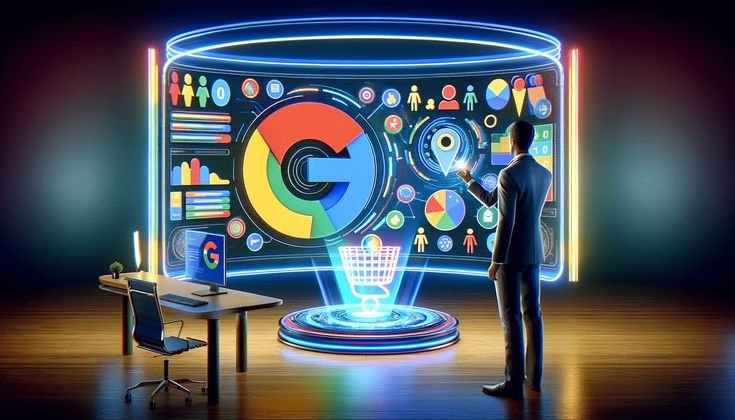
      The power of Google My Business for local SEO and business expansion is symbolised by a businessman engaging with a future digital dashboard that includes the Google logo, analytics, and location-based information.

      If you are looking to improve your local SEO and attract more customers, optimising your Google My Business profile is essential. With the right strategy, you can increase your visibility in local search results and improve your ranking on Google. This blog explores the importance of optimising Google My Business for local SEO. Follow these steps to optimise your GMB listing and enhance your local online presence.

      The power of Google My Business for local SEO and online visibility is symbolised by a future digital version of the Google logo in the centre, encircled by floating screens with glowing data graphics.

      Verify and Claim Your Google My Business Listing

      Before you optimize your Google My Business in Kochi profile, you need to claim and verify your listing. To do this:

      • Visit Google Business Profile
      • Search for your business and claim ownership
      • Follow the verification process (usually via postcard, phone, or email)

      Once verified, you can start optimizing Google My Business for local SEO success.

      Complete Every Section of Your Google My Business for Local SEO

      A fully completed Google Business Profile helps Google understand your business better and improves your chances of appearing in the Google Local Pack. Make sure to fill out:

      • Business Name (consistent with your branding)
      • Category & Subcategories (choose the most relevant ones)
      • Address & Service Area (accurate location details)
      • Business Hours (keep them up to date)
      • Website URL (direct customers to your site)
      • Phone Number (use a local phone number)
      • Attributes (highlight unique features like wheelchair accessibility, free Wi-Fi, etc.)
      • Menu or Services (for restaurants, salons, and service-based businesses)
      • Booking Links (if applicable, allow customers to schedule appointments directly)
      • Social Media Links (connect customers to your business on other platforms)

      Use Relevant Keywords in Your Google My Business for Local SEO

      Incorporating local SEO keywords into your GMB profile can improve your rankings. This is a key step in optimising your Google My Business for local SEO. Add keywords naturally in:

      • Business Description (highlight services, products, and unique selling points)
      • Services & Products Section (detailed descriptions help customers and Google understand your offerings)
      • GMB Posts (regular updates with targeted keywords to boost visibility)

      Add High-Quality Photos and Videos in GOOGLE MY BUSINESS FOR LOCAL SEO

      Businesses with high-quality images and videos get more engagement. Upload:

      • Exterior and interior photos to help customers recognize your location
      • Product or service images showcasing what you offer
      • Team and behind-the-scenes photos to build trust
      • Short videos demonstrating your services

      Encourage and Respond to Customer Reviews to Boost Google My Business for Local SEO

      Google favors businesses with positive reviews in local search rankings. To get more reviews:

      • Ask satisfied customers to leave feedback
      • Respond to all reviews (both positive and negative) professionally

      Use keywords in your responses to boost local SEO rankings.

      The Google logo on top of a blazing lightbulb with a tiny plant growing inside represents innovation and expansion through Google My Business for local SEO.

      Post Regularly on Your Google My Business for Local SEO

      Google My Business allows you to create posts about:

      • Promotions and special offers
      • New products or services
      • Events and business updates

      Posting consistently signals to Google that your business is active and relevant in local searches

      Use Google Q&A to Engage with Customers

      Google My Business has a Q&A feature where customers can ask questions. To optimize:

      • Answer questions promptly with helpful responses
      • Preemptively add FAQs with relevant keywords

      Ensure NAP Consistency Across the Web

      NAP (Name, Address, Phone Number) consistency is crucial for local SEO. Ensure your business details are the same across:

      • Your website
      • Social media profiles
      • Online directories (Yelp, Yellow Pages, etc.)

      Inconsistencies can confuse search engines and lower your local rankings.

      Track Performance with Google Insights

      Google provides valuable data on your GMB profile’s performance. Monitor:

      • Search queries used to find your business
      • Views and clicks on your listing
      • Customer actions (calls, directions, website visits)

      Use these insights to tweak your local SEO approach and improve your rankings.

      Optimize for Voice Search in Google My Business for Local SEO

      With the rise of voice search, optimizing for voice search SEO can give you an edge. To do this:

      • Use natural, conversational keywords
      • Answer common customer questions concisely
      • Include long-tail keywords like “best bakery near me”
      • Optimize for mobile users, as voice searches are primarily done on phones
      • Structure content in a Q&A format for easy retrieval in voice search
      • Claim featured snippets on Google to improve voice search ranking

      Conclusion

      Optimizing your Google My Business in Kochi profile is one of the best ways to improve your local SEO and attract more customers. By claiming your listing, adding relevant keywords, posting regularly, and engaging with customers, you can boost your visibility in Google Search and Google Maps. Start optimizing today and watch your local business ranking improve!

      Influencer Campaigns: How to Collaborate Effectively for Maximum Reach

      Influencer Campaigns: How to Collaborate Effectively for Maximum Reach

      Introduction

      In today’s digital landscape, influencer marketing is one of the most powerful ways to amplify your brand’s reach and engagement. However, successful influencer collaborations require strategic planning, clear communication, and well-defined goals. Here’s how you can collaborate effectively with influencers to maximize your brand’s reach and impact.

      1. Define Your Campaign Goals

      Why Setting Goals is Crucial

      Before you reach out to influencers, you can determine what you want to achieve. Your goals could include:

      • Increasing brand awareness
      • Driving website traffic
      • Boosting product sales
      • Generating leads
      • Growing your social media following

      Clearly defined goals help select the right influencers and measure your campaign’s success.

      2. Find the Right Influencers

      Key Factors to Consider

      Not every influencer can be good for the fit of the company. Consider these factors when choosing who to collaborate with:

      • Relevance: Does their content align with your brand values and target audience?
      • Engagement Rate: Do their followers interact actively with their content?
      • Authenticity: Do they genuinely connect with their audience or have fake followers?
      • Platform Compatibility: Are they active on platforms where your target audience spends time?

      Use tools like Upfluence, Heepsy, or Instagram’s Creator Marketplace to find the best influencers for your niche.

      3. Build Meaningful Relationships

      How to Establish Strong Connections

      Influencer collaborations should feel organic rather than transactional. Ways to foster genuine relationships include:-

      • Engaging with their content before reaching out
      • Offering free product samples for honest feedback
      • Personalizing your outreach message instead of sending generic pitches

      Long-term partnerships often perform better than one-time collaborations, as they build trust with the audience over time.

      4. Set Clear Expectations

      Creating a Solid Campaign Brief

      Once an influencer agrees to collaborate, provide a detailed brief that includes:

      • Campaign goals
      • Key messaging and hashtags
      • Content format and deliverables (e.g., Instagram Reels, Stories, YouTube videos)
      • Posting schedule
      • Compensation details (monetary payment, free products, commission-based earnings, etc.)

      Having a written agreement ensures both parties are aligned and prevents misunderstandings.

      5. Give Creative Freedom

      Why Authenticity Matters

      Influencers know their audience best, so allow them to create content that resonates naturally. Instead of dictating every detail, provide guidelines while allowing room for their creative input.

      Authentic, non-scripted content performs better and feels more genuine to the audience.

      6. Leverage Multiple Content Formats

      Maximizing Campaign Impact

      Maximize the impact of your campaign by using diverse content formats such as:

      • Instagram Reels & Stories for high engagement
      • YouTube tutorials and unboxings for in-depth brand storytelling
      • TikTok trends for viral potential
      • Blog collaborations for SEO and credibility.

      Repurposing influencer content across different channels also extends your campaign’s reach.

      7. Track Performance Metrics

      Measuring Success

      To measure the success of your influencer campaign, track key performance indicators (KPIs), such as:

      • Engagement rate (likes, comments, shares, saves)
      • Website traffic and conversions
      • Sales generated from influencer codes/links
      • Follower growth during the campaign period

      Use tools like Google Analytics, Instagram Insights, and UTM tracking links to assess your campaign’s effectiveness.

      8. Strengthen Long-Term Partnerships

      Nurturing Ongoing Collaborations

      Nurture relationships with top-performing influencers instead of treating influencer collaborations as one-time transactions. Consider ongoing partnerships, ambassador programs, or exclusive deals to maintain brand consistency and audience trust.

      Conclusion

      Influencer collaborations can skyrocket the branding agency in Kochi that is executed strategically. By defining clear goals, choosing the right influencers, fostering genuine relationships, and tracking results, you can maximize the success of your influencer marketing campaigns.

      Probable Social Media Trends in 2025: Stay Ahead of the Curve

      Social Media trends 2025

      Social media is always changing. In 2025, new trends will shape how we use these platforms. Let’s explore the probable social media trends in 2025 and how they might affect digital marketing.

      Short-Form Video Dominance

      Short videos are set to remain a favorite. Platforms like TikTok, Instagram Reels, and YouTube Shorts videos will be essential for the brand that aims to capture customer’s attention quickly.

      Tips for leveraging this trend:

      • Create catchy, brief videos.
      • Use trending sounds and effects.
      • Tell a compelling story in seconds.

      Quality matters, ensure your videos resonate with your audience.

      AI-Powered Content Creation

      Artificial Intelligence (AI) will play a major role in content creation. AI tools can help efficiently generate captions, and images and edit videos.

      How to integrate AI into your strategy:

      • Utilize AI writing tools for post ideas.
      • Explore AI image generators for unique visuals.
      • Experiment with AI video editing software.

      Remember, while AI enhances efficiency, it should complement human creativity, not replace it.

      Social Commerce Growth

      Social commerce is expected to surge, with more consumers purchasing directly through social platforms.

      To capitalize on this trend:

      • Incorporate shoppable posts in your feed.
      • Host live shopping events.
      • Develop product catalogs on social media.

      Ensure your products are easily accessible on these platforms.

      Authenticity and Transparency

      In 2025, consumers will prioritize genuine content over polished posts. They will seek behind-the-scenes insights and unfiltered experiences from the Best Branding agency in Kochi.

      There are different ways to enhance the authenticity:

      • Share your brand’s story.
      • Highlight the people behind your company.
      • Be transparent about your processes and values.

      Building connections with audiences is crucial, they want to relate to real people, not just logos.

      Nano and Micro-Influencer Partnerships

      Brands will increasingly collaborate with nano and micro-influencers who often have more engaged audiences than their larger counterparts.

      To utilize this trend effectively:

      • Identify influencers within your niche.
      • Focus on real connections rather than just counting followers.
      • Foster long-term partnerships for authentic promotions.

      Social Media as Customer Service

      Expect social media to become a primary channel for customer service inquiries. In order to achieve this expectation there should be a need for a change in brands.

      Preparation steps include:

      • Train your team in social media customer service practices.
      • Implement chatbots for quick responses.
      • Regularly monitor your accounts for engagement opportunities.

      The reputation of the brands can be improved by providing excellent customer service on social media.

      Social platforms are evolving into vital search engines, especially among younger users looking for information directly on these sites.

      Optimize for social search by:

      • Using relevant keywords in posts.
      • Creating informative content that addresses common questions.
      • Strategically employing hashtags to increase visibility.

      Privacy and Data Protection

      With rising concerns about online privacy, users will demand greater control over their data in 2025.

      To address privacy concerns:

      • Communicate how you use user data.
      • Offer opt-out options for data collection.
      • Adhere strictly to privacy regulations.

      Trust is one of the important metrics for long-term success in digital marketing.

      Interactive and Immersive Content

      Content that encourages interaction such as augmented reality filters, polls, quizzes, and games will gain popularity in 2025.

      Strategies to create engaging content include:

      • Utilizing platform features like Instagram polls or Facebook quizzes.
      • Designing AR filters related to your brand.
      • Developing simple games or challenges for audience engagement.

      Sustainability and Social Responsibility

      Brands demonstrating commitment to social and environmental issues will stand out. Customers favour companies that align with their values.

      Incorporate sustainability into your strategy by:

      • Sharing your sustainability initiatives.
      • Supporting relevant social causes.
      • Being transparent about your impact on the environment.

      Conclusion

      These anticipated social media trends in 2025 present exciting opportunities for digital marketing. By adapting strategies to align with these trends, brands can foster stronger connections with their audiences. Embrace experimentation, stay flexible, and prioritize audience needs as you navigate the ever-evolving landscape of Top social media marketing agency in kochi .


      How to Design Visually Appealing Social Media Posts That Drive Conversions

      How to Design Visually Appealing Social Media Posts

      First impressions matter in the world of social media. A well-designed post not only grabs attention but also encourages engagement and conversions. Whether you’re promoting a product, sharing valuable content, or building your brand, mastering the art of visual content can make all the difference.

      Let’s dive into how you can create visually appealing social media posts that drive conversions.

      Why Visual Appeal Matters in Social Media

      Your audience is constantly scrolling, bombarded with countless posts. To stand out:

      • Attract Attention: A visually striking post makes users pause and explore further.
      • Communicate Quickly: Images and designs convey messages faster than text alone.
      • Build Trust: Professional-looking posts reflect credibility and reliability.
      • Drive Action: Posts with clear visuals and compelling CTAs lead to more clicks, likes, and purchases.

      Key Elements of a Visually Appealing Post

      1. Compelling Visuals
      • Use good photos and images that can relate to your message.
      • Incorporate vibrant colors or contrasts that align with the Best Branding agency in Kochi.
      • Avoid clutter, opt for clean, minimalistic designs.

      2. Consistent Branding

      • Maintain a cohesive look by using your brand’s color palette, fonts, and logo.
      • Create templates to streamline your design process and ensure consistency across platforms.

      3. Clear Call-to-Action (CTA)

      • There are certain phrases like “Buy now,” “Learn more,” or “Sign up.” that are actionable for CTA.
      • Place your CTA in a prominent position to guide viewers toward their next step.

      4. Readable Typography

      • Choose fonts that are easy to read, even on smaller screens.
      • Highlight key points using bold or larger text sizes to emphasize important information.

      5. Engaging Copy
      • Keep captions concise but impactful.
      • Use words that will create a sense of connection with your target audience.

      Design Tips for Maximum Impact

      1. Leverage White Space

      White space (or negative space) helps your design breathe and keeps it visually balanced. Don’t overcrowd your post with too much stuff.

      2. Use Hierarchy to Guide Focus

      Organize your content to draw attention to the most important parts first. For instance:

      • Eye-catching headline or image at the top.
      • Supporting details in the middle.
      • Strong CTA at the bottom.

      3. Optimize for Mobile Viewing

      Most users access Top social media marketing agency in Kochi through electronic devices, that

      • Ensure your designs look good on smaller screens.
      • Use vertical or square formats for platforms like Instagram and TikTok.

      4. Add Animation or Motion Graphics

      Subtle animations or motion elements can grab attention and increase engagement. Use these sparingly to enhance, not overwhelm, your design.

      Platform-Specific Considerations

      Each platform has unique requirements for visuals:

      • Instagram: Focus on high-quality images and videos. Stories and Reels benefit from dynamic, interactive content.
      • Facebook: Carousel posts and ads perform well, ensure your images and text are optimized for both mobile and desktop.
      • Twitter: Use beautiful visuals and keep descriptions short to match the fast pace of the platform.
      • LinkedIn: Go for professional and clean visuals that align with business-focused content.

      Tools to Simplify Your Design Process

      Creating visually appealing posts doesn’t require a design degree. Tools like Canva, Adobe Express, and Crello offer user-friendly templates to help you design stunning posts in minutes.

      Analyzing and Iterating for Better Conversions

      Design is only part of the equation. Review and analyse your posts to find the ones that work best:

      • Track engagement metrics like likes, shares, and comments.
      • Track conversion rates for posts with CTAs.
      • Use A/B testing to refine your designs and copy.

      Conclusion

      Attractive, well-designed social media posts are essential for capturing attention and driving conversions. By focusing on compelling visuals, clear CTAs, and consistent branding, you can create posts that not only engage but also convert.