

Why Strategic Marketing Beats Random Posting Every Time
Many businesses are creating more content than ever before. They post on Instagram daily, upload videos regularly, share LinkedIn updates, and try to stay active across multiple platforms. Yet despite all this activity, many brands struggle to generate meaningful results.
The problem is not always the amount of content being created.
The problem is often the lack of strategy behind it.
In today’s digital landscape, posting consistently is important, but consistency without direction rarely leads to sustainable growth. Businesses that achieve long-term success are not simply publishing content more frequently—they are publishing content with a clear purpose.
This is where strategic marketing makes the difference.
Instead of creating content just to stay active, strategic marketing aligns every piece of content with specific business objectives, audience needs, and measurable outcomes.
The result is stronger brand positioning, better engagement, and more efficient growth.
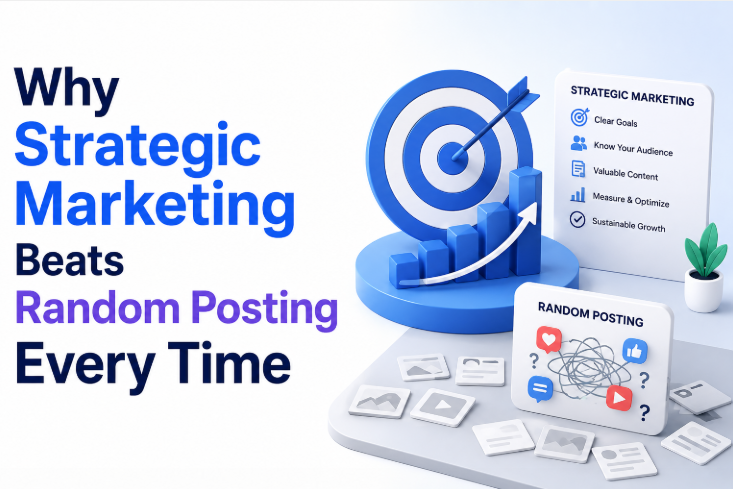
Activity Does Not Always Equal Progress
One of the biggest misconceptions in marketing is the belief that more content automatically leads to better results.
Many brands fall into a cycle of posting simply because they feel they need to stay visible.
This often leads to:
- Inconsistent messaging
- Content fatigue
- Low engagement
- Lack of differentiation
- Poor return on investment
While content may be published regularly, it often lacks a clear connection to broader business goals.
Without strategy, marketing becomes reactive instead of intentional.
Brands become busy creating content but struggle to explain how that content contributes to growth.
What Is Strategic Marketing?
Strategic marketing is the process of creating and executing marketing activities that are aligned with long-term business objectives.
Instead of asking:
“What should we post today?”
Strategic marketers ask:
- What are we trying to achieve?
- Who are we trying to reach?
- What problems are we solving?
- How does this content support our goals?
Every campaign, piece of content, and marketing initiative serves a specific purpose.
This creates greater clarity, consistency, and effectiveness across all marketing efforts.
1. Strategy Creates Consistent Brand Messaging
When businesses post randomly, messaging often changes from day to day.
One week content focuses on products.
The next week it focuses on trends.
Then it shifts to promotions or unrelated topics.
Over time, audiences struggle to understand what the brand actually stands for.
Strategic marketing creates consistency.
It helps businesses communicate:
- A clear value proposition
- Brand personality
- Core expertise
- Key differentiators
Consistent messaging strengthens brand recognition and makes businesses more memorable.

2. Strategic Content Supports Business Goals
Every piece of content should have a purpose.
Some content may focus on:
- Brand awareness
- Lead generation
- Customer education
- Community building
- Customer retention
- Thought leadership
Strategic marketing ensures content supports specific objectives instead of existing simply to fill a content calendar.
This creates stronger alignment between marketing efforts and business growth.
Rather than measuring success by the number of posts published, businesses begin measuring impact.
3. Audience Understanding Drives Better Results
Successful marketing starts with understanding the audience.
Strategic marketers invest time in learning:
- Customer challenges
- Interests
- Motivations
- Behaviors
- Decision-making processes
This insight helps create content that feels relevant and valuable.
Random posting often focuses on what brands want to say.
Strategic marketing focuses on what audiences need to hear.
That shift significantly improves engagement and connection.
4. Strategy Improves Content Quality
When content is created without planning, teams often rush production.
This can lead to repetitive topics, unclear messaging, and inconsistent quality.
A strategic approach allows businesses to:
- Plan content themes
- Develop stronger narratives
- Improve storytelling
- Create deeper audience value
Instead of constantly chasing new ideas, brands build cohesive content ecosystems that reinforce each other.
Quality becomes more important than quantity.
5. Strategic Marketing Builds Long-Term Brand Equity
Random content may occasionally generate short-term visibility.
Strategic marketing builds long-term brand value.
Over time, consistent messaging and purposeful content help businesses establish:
- Credibility
- Authority
- Trust
- Recognition
- Market positioning
These assets compound over time.
The strongest brands are rarely built through viral moments alone. They are built through years of consistent strategic communication.
6. Data Becomes More Meaningful
Without clear goals, marketing data can become overwhelming.
Businesses often track:
- Likes
- Comments
- Reach
- Impressions
But these metrics do not always indicate meaningful business impact.
Strategic marketing provides context.
It helps teams understand:
- Which content drives leads
- Which campaigns generate revenue
- Which audiences engage most
- Which channels perform best
Data becomes a tool for improvement rather than a collection of numbers.
7. Strategy Creates Sustainable Growth
Perhaps the biggest advantage of strategic marketing is sustainability.
Random posting often relies on constant effort with unpredictable outcomes.
Strategic marketing creates systems.
These systems allow businesses to:
- Plan ahead
- Scale content production
- Improve efficiency
- Optimize performance
- Maintain consistency
As a result, growth becomes more predictable and manageable.
Instead of constantly reacting, businesses gain greater control over their marketing direction.
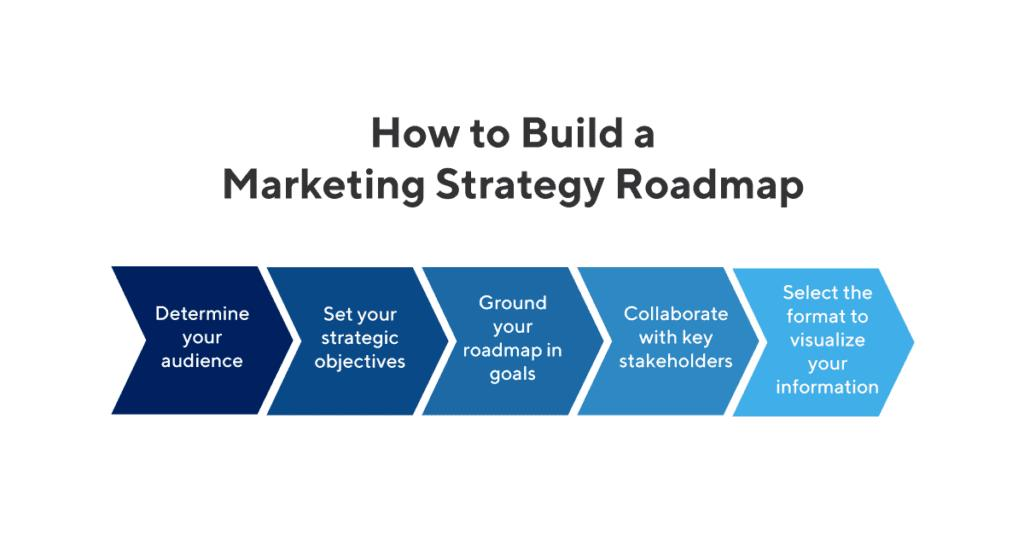
Signs Your Marketing May Be Too Reactive
Many businesses unintentionally fall into reactive marketing habits.
Common warning signs include:
• Posting without a content plan
• Chasing every trend regardless of relevance
• Inconsistent brand messaging
• Measuring only vanity metrics
• Creating content without defined objectives
• Struggling to connect content efforts to business outcomes
If any of these sound familiar, it may be time to shift from activity-based marketing to strategy-driven marketing.
The Future Belongs to Strategic Brands
As digital channels become increasingly crowded, simply posting more content will not guarantee visibility or growth.
Consumers are becoming more selective about what they engage with. They expect relevance, value, consistency, and authenticity.
The brands that succeed in the future will not necessarily be the ones producing the most content.
They will be the ones producing the most purposeful content.
Strategic marketing helps businesses focus their efforts, maximize resources, and build stronger relationships with their audiences.
Final Thoughts & Conclusion
Marketing success is not determined by how often you post.
It is determined by whether your marketing efforts are moving your business closer to its goals.
Random posting may create temporary activity, but strategic marketing creates momentum.
When every piece of content has a purpose, every campaign supports a larger objective, and every marketing decision is guided by audience insight, businesses create stronger foundations for long-term growth.
At Upswing Digital, we believe successful marketing begins with strategy—not just consistency. By aligning content with business objectives and audience needs, Upswing Digital helps brands create meaningful campaigns that deliver measurable, long-term results.
In 2026, attention is valuable, competition is intense, and customer expectations continue to rise. That is why strategy matters more than ever.
Because growth is not built by simply being visible.
It is built by being intentional.
Why Brands Are Moving Beyond Minimalism in 2026
For years, “less is more” was the golden rule of branding. Brands stripped away colour, texture,

know-how Meta ads supervisor: A novice’s guide to advert Campaigns
Meta advertisements supervisor is an effective tool for groups trying to reach their target audience
UGC Marketing: Why User-Generated Content is the Future
As digital behavior evolves, one thing has become crystal clear that consumers crave authenticity mo
Leave a Reply