

The Science Behind Digital First Impressions
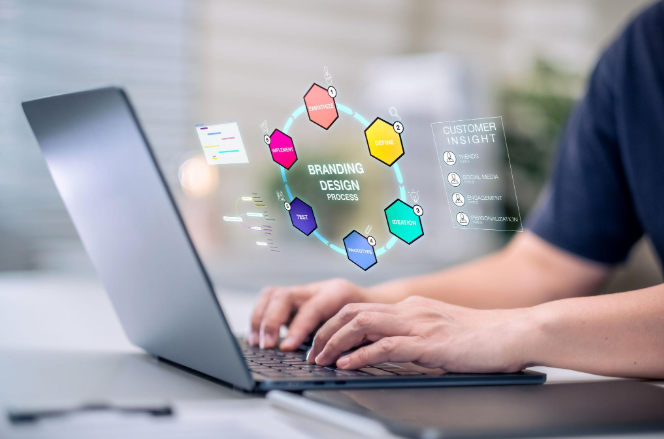
First impressions happen faster than most businesses realize. Before a customer reads your content, understands your services, or explores your products, they have already started forming opinions about your brand. In today’s digital environment, these judgments happen within seconds.
A website design, loading speed, social media presence, typography, colors, messaging, and even small interface details can instantly influence how people perceive a business online.
And once those first impressions are formed, changing them becomes difficult.
In 2026, digital first impressions are no longer only about aesthetics. They directly influence:
- Trust
- Engagement
- Credibility
- Customer decisions
- Conversion rates
This is why brands are investing heavily in user experience, branding psychology, and digital behavior research to better understand how audiences react online.
Because in many cases, your digital presence speaks before your business ever does.
Why First Impressions Matter So Much Online
Human brains are designed to process information quickly.
When people visit a website or interact with a brand online, the brain immediately begins making rapid judgments based on visual and emotional cues.
Within moments, users subconsciously decide:
- Does this brand look trustworthy?
- Does this feel professional?
- Is this relevant to me?
- Should I continue exploring?
These decisions happen almost automatically.
The digital world moves extremely fast, and consumers are constantly comparing brands, experiences, and content. This means businesses often have only a very short window to capture attention and build confidence.
A poor first impression can quietly push potential customers away before meaningful engagement even begins.
The Psychology Behind Digital Perception
Digital first impressions are strongly connected to psychology.
People naturally associate visual quality and smooth experiences with professionalism and reliability. A clean, modern, and organized digital experience creates confidence, while cluttered or outdated designs often create hesitation.
Several psychological factors influence online perception, including:
- Visual hierarchy
- Simplicity
- Color psychology
- Familiarity
- Emotional response
- Cognitive ease
When digital experiences feel intuitive and effortless, users are more likely to trust and engage with the brand.
Complex or confusing experiences create mental friction, which often leads to higher bounce rates and lower conversions.
1. Website Design Shapes Instant Brand Perception
Website design is often the first major interaction consumers have with a brand.
Modern audiences quickly judge businesses based on:
- Layout quality
- Visual consistency
- Typography
- Spacing
- Image quality
- Mobile responsiveness
A professional design creates the feeling that the business itself is credible and trustworthy.
On the other hand, outdated or cluttered websites can create doubts even if the actual product or service is excellent.
This is why design is not just about aesthetics — it directly impacts business perception.


2. Speed Strongly Influences User Trust
Consumers expect digital experiences to feel fast and effortless.
Even small delays in loading time can negatively impact perception. Slow websites often create frustration and reduce confidence in the brand.
Fast-loading experiences communicate:
- Professionalism
- Efficiency
- Reliability
- Modern technology standards
In 2026, website performance has become part of branding itself.
People may not consciously analyze loading speed, but they emotionally respond to the experience almost immediately.
3. Visual Consistency Builds Familiarity
Consistency is one of the strongest drivers of recognition and trust.
When branding feels consistent across:
- Websites
- Social media
- Emails
- Advertisements
- Landing pages
audiences experience a smoother and more reliable brand interaction.
Repeated exposure to the same visual identity helps businesses become more memorable over time.
Inconsistent branding, however, can create confusion and weaken trust subconsciously.
4. Emotional Reactions Influence Decision-Making
Most online decisions are not purely logical.
Emotions play a major role in how people respond to digital experiences. Colors, imagery, messaging tone, storytelling, and visuals all influence emotional perception.
A calming, confident, or inspiring experience can increase engagement significantly.
This is why strong digital experiences often feel emotionally intentional rather than purely functional.
Brands that understand emotional design create stronger customer connection and loyalty.
5. Simplicity Improves Cognitive Ease
Consumers process simple experiences faster.
When websites and digital platforms feel easy to navigate, users experience less mental effort. This creates what psychologists call cognitive ease — the feeling that something is clear, understandable, and trustworthy.
Complicated interfaces often create confusion and increase abandonment rates.
Modern users prefer:
- Clear navigation
- Simple layouts
- Easy-to-read content
- Smooth interactions
- Predictable user flows
Simplicity is not about removing creativity. It is about reducing unnecessary friction.
6. Mobile Experience Shapes Modern First Impressions
In many industries, the first interaction with a brand now happens on mobile devices.
This means mobile design quality directly impacts digital first impressions.
Consumers expect:
- Fast mobile loading
- Responsive layouts
- Easy navigation
- Thumb-friendly interfaces
- Clear readability
A poor mobile experience can immediately reduce trust and engagement.
As mobile usage continues growing, businesses that neglect mobile optimization risk damaging customer perception from the very beginning.
7. Authenticity Is Becoming Part of Digital Design
Modern consumers are increasingly drawn toward authentic and human-centered digital experiences.
Overly corporate or artificial experiences can sometimes feel disconnected.
Brands are now focusing more on:
- Real photography
- Human storytelling
- Transparent communication
- Authentic messaging
- Relatable experiences
This creates stronger emotional connection and trust.
In 2026, authenticity itself has become a major part of digital first impressions.
Mistakes That Hurt Digital First Impressions
Many businesses unintentionally create poor first impressions online without realizing it.
Some common issues include:
• Slow-loading websites
• Cluttered layouts
• Outdated design styles
• Weak mobile optimization
• Generic stock imagery
• Confusing navigation
• Inconsistent branding
• Overwhelming pop-ups and distractions
Even small usability problems can impact trust significantly because users make judgments so quickly online.
The Future of Digital First Impressions
As digital experiences become more advanced, customer expectations will continue increasing.
AI personalization, immersive interfaces, voice interactions, and interactive experiences are already changing how people interact with brands online.
But despite these technological shifts, one thing remains constant:
People still make emotional judgments extremely quickly.
The businesses that succeed in the future will be the ones creating digital experiences that feel:
- Trustworthy
- Human
- Seamless
- Relevant
- Emotionally engaging
Because digital first impressions are no longer only visual — they are experiential.
Final Thoughts & Conclusion
Digital first impressions have become one of the most powerful factors influencing modern consumer behavior.
In just a few seconds, people form opinions about a brand’s credibility, professionalism, trustworthiness, and relevance. These perceptions shape whether users continue exploring or leave entirely.
Today, businesses are not only competing on products or pricing — they are competing on experience. A fast, clear, emotionally engaging, and user-friendly digital presence can quietly build trust before a customer even speaks to your business.
At Upswing Digital, we believe a strong digital presence is more than good design — it is about creating an experience that immediately communicates confidence and credibility.
And in 2026, that first impression often determines everything that follows. Because online, perception happens instantly, and trust begins long before conversion.
The brands that succeed are the ones that understand this shift and intentionally build digital experiences that feel seamless, authentic, and memorable. Through strategic branding, web design, and user-focused digital experiences, Upswing Digital helps businesses create first impressions that turn visitors into loyal customers.
Leave a Reply