
How to Measure the Success of Your Influencer Campaign?

A stylish woman taking a selfie outdoors in an urban setting, wearing trendy sunglasses and a chic outfit, surrounded by digital icons like hearts, music notes, and messages, representing influencer marketing and social media engagement.

Influencer marketing has transformed how brands connect with their audiences. It’s no longer just about celebrity endorsements, it’s about partnering with niche content creators who influence specific target markets. While launching a campaign with influencers may seem like the biggest step, the true value lies in how you measure its performance. Without proper tracking, it’s impossible to know if your influencer efforts are truly delivering results.

In this guide, we’ll break down the key influencer marketing KPIs you should be tracking, introduce top influencer campaign tools, and explain how to measure ROI and refine your future strategies.

Why Measure Influencer Campaign Success?

Tracking the performance of your influencer marketing campaign is not just important it’s essential. Here’s why:

  • Maximize ROI (Return on Investment): Knowing what’s working helps you invest in the right strategies.
  • Refine Future Campaigns: Clear metrics give you data to tweak and improve upcoming influencer collaborations.
  • Justify Budget: Performance reports help justify your spend to internal stakeholders.
  • Identify Strengths and Weaknesses: You’ll learn which influencers, platforms, and content types work best , and which ones don’t.

Top Metrics to Measure Influencer Campaign Success

1. Engagement Rate

To begin with, engagement rate is one of the most essential metrics to track in any influencer campaign. It clearly shows how well the audience interacts with the content, as it measures likes, comments, shares, and saves.

In fact, a high engagement rate often indicates:

  • A highly relevant and targeted audience
  • Strong authenticity and trust between the influencer and their followers
  • Content that truly resonates with viewers

Moreover, it’s important to compare the influencer’s engagement rate with industry averages. For example, a nano-influencer with just 10,000 followers may actually outperform a celebrity influencer with millions, simply because their audience tends to be more engaged and loyal.

2. Reach and Impressions

These two influencer marketing KPIs help you understand how many people saw the content:

  • Reach is the total number of unique users who viewed the content.
  • Impressions is the total number of times the content was displayed, including repeat views.

Why it matters: High reach increases brand awareness, which is a vital early-stage goal for many campaigns. Impressions can also indicate visibility over time.

3. Conversions and ROI

Consequently, while visibility and engagement are great, conversions are the real performance indicator. Conversions can include:

  • Website visits
  • Product purchases
  • Email sign-ups
  • App downloads

To track these, use tools like UTM links and unique discount codes tied to each influencer. These tracking mechanisms help attribute results directly to specific campaigns or influencers.

ROI (Return on Investment) is the ultimate metric. It tells you how much revenue was generated versus what you spent. Furthermore, if you’re spending $5,000 on a campaign that brings in $15,000 in sales, your ROI is positive and strong.

4. Follower Growth

Did your brand’s social media following grow during or after the campaign? A spike in followers is a clear sign your brand message resonated. Moreover, it also shows that the influencer’s content motivated users to take action and stay connected with your brand.

Important: Follower growth should be paired with continued engagement. It’s not just about numbers, it’s about attracting quality followers who stay and engage.

5. Brand Fit and Content Quality

Not all results are measurable with numbers. Evaluate how well the influencer’s content aligns with your brand voice, aesthetics, and values. Good content should feel natural, not forced or overly scripted.

Also assess:

  • Image/video quality
  • Message clarity
  • Reusability (can the content be repurposed for ads or website?)

Moreover, this qualitative analysis helps you determine if the influencer is a long-term brand fit or a one-time collaborator.

Best Practices for Measuring Influencer Campaigns

  • Set Clear Goals Beforehand: To start with, whether it’s raising brand awareness or boosting sales, know what success looks like.
  • Use a Multi-Metric Approach: Don’t rely on just one KPI. Engagement, reach, conversions, and content quality should all be part of the analysis.
  • Track in Real-Time: Use dashboards and tools to monitor ongoing performance, so you can pivot mid-campaign if needed.
  • Compare Against Benchmarks: Use past campaign data or industry standards to evaluate success more objectively.
  • Collect Feedback: Post-campaign surveys can also help understand audience sentiment.

Conclusion

Measuring the success of your influencer marketing campaign is no longer optional, it’s essential for smart marketing. By focusing on engagement rate, reach, conversions, follower growth, and ROI, you’ll get a clear picture of what’s working and what needs to be improved.

At Upswing Digital, we specialize in performance-driven influencer marketing campaigns that are rooted in data and designed for impact. From identifying the right influencers to tracking every click and conversion, our expert team ensures your marketing investment pays off.

Advanced SEO Strategies for E-Commerce Websites

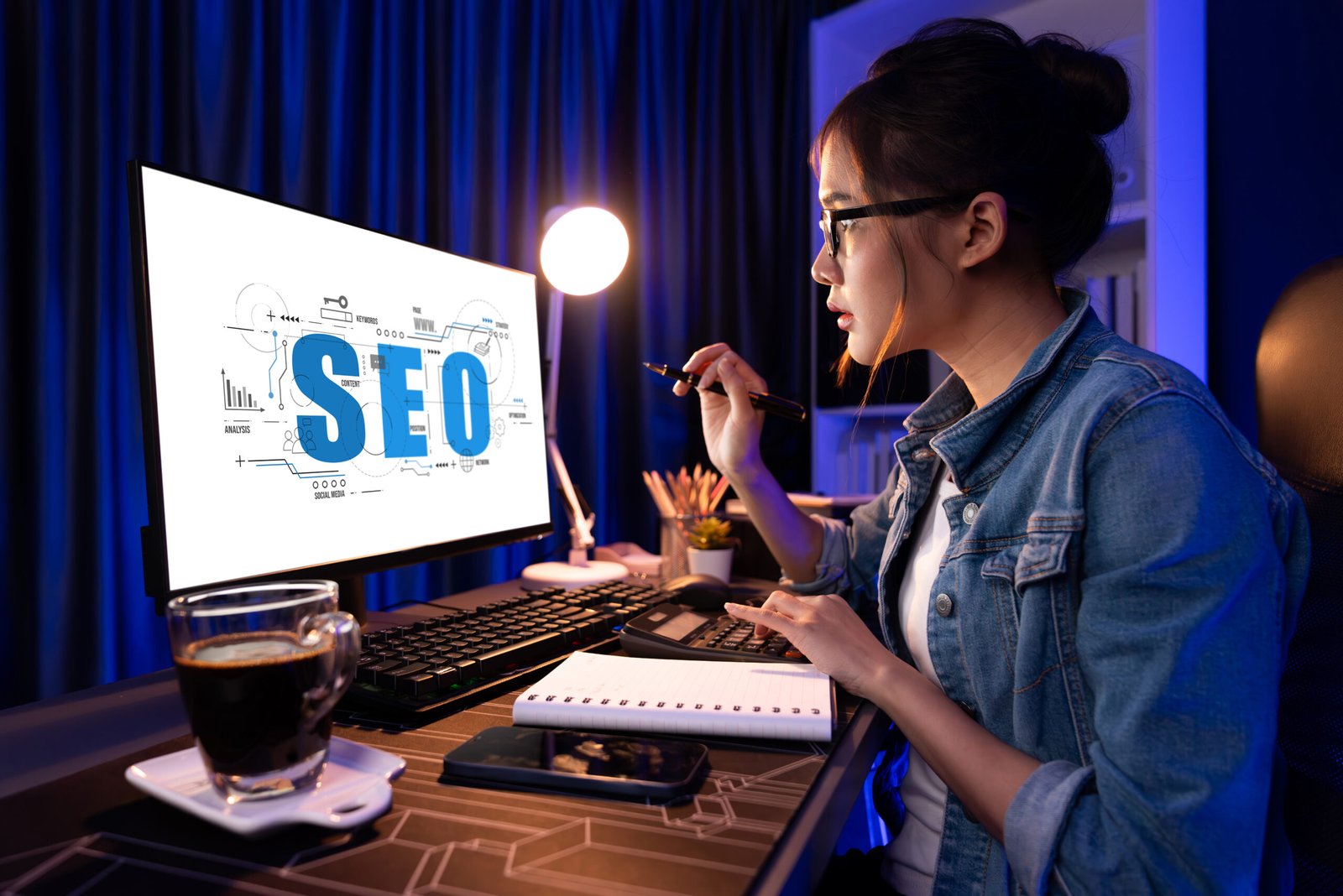
Woman working on a desktop computer displaying the words "SEO" with digital graphics, representing SEO strategies for boosting online visibility, website traffic, and e-commerce success.
Visual representation of SEO strategies featuring charts, graphs, and digital icons, highlighting keyword research, analytics, and optimization techniques for better search engine rankings.

Introduction to Advanced SEO Strategies for E-Commerce Websites

If you have an e-commerce site, SEO is not a choice; it’s essential. At Upswing Digital, we employ sophisticated e-commerce SEO strategies to enable you to break through the noise, attract traffic, and increase revenue. This guide takes you through tested strategies, beginning with keyword research and concluding with voice search and AI-based optimisation, that yield quantifiable results. Advanced SEO strategies for e-commerce websites can help your brand achieve a lasting competitive advantage.

Advanced SEO Keyword Research for E-Commerce Sites

Strategy starts with e-commerce SEO keyword research, the foundation of advanced SEO methods for e-commerce sites. Select a combination of short- and long-tail keywords aligned with buyer intent and search volume.

Search volume versus competition: Opt for terms with high intent and reasonable difficulty through advanced SEO methods for e-commerce sites.

Amazon and competitor insights:Leverage autocomplete and tools such as SpyFu to reveal underlying questions.

LSI keywords: Mention related terms (e.g., “handmade leather wallets” as well as “artisan leather items”) to enhance your advanced SEO strategies for e-commerce websites.

Seasonal keyword fluctuations: Seasonally optimize for holiday trends and shopping seasons for e-commerce websites.

User-generated content insight: Review customer reviews for language that can enlighten your keyword selection and enhance advanced SEO strategies for e-commerce websites.

Technical SEO and Site Structure for E-Commerce Sites

Speed and structure count when it comes to advanced SEO strategies for e-commerce sites. Here’s how Upswing Digital addresses it:

Quick page load speed: Image compression, CSS/JS minification, CDNs—speed is crucial for SEO and user experience with advanced SEO strategies for e-commerce sites.

Mobile-first, crawlable architecture: Obey Google’s mobile-first guidelines, use XML sitemaps, and apply breadcrumbs. Employ logical pagination with advanced SEO methods for e-commerce sites.

Dynamic product pages: Employ canonical tags and redirect duplicates to prevent internal rivalry with advanced SEO methods for e-commerce sites.

Structured data & schema markup: Include Product, Review, and FAQ schemas to boost SERP visibility. Employ advanced methods for e-commerce sites using structured data and schema markup.

SSL encryption and security: Secure your site with SSL encryption to keep user data safe. Optimise rankings for e-commerce sites through enhanced security.

On-Page Content Optimization for Advanced SEO Strategies for E-Commerce Sites

Product page optimization ensures buyers come and convert. Implement these advanced SEO strategies for e-commerce sites:

Title tags & H1 with keywords: Descriptive titles such as “Handmade Leather Wallets – Free Shipping.” This is a part of cutting-edge SEO strategies for e-commerce websites.

Engaging, distinctive descriptions: 150–300 words with LSI terms and compelling calls to action make cutting-edge SEO strategies for e-commerce websites more effective.

Internal linking: Link from blogs, guides, and category pages to product pages for e-commerce websites.

Visual content: High-quality, compressed images with alt tags and descriptive filenames (such as “handmade-leather-wallet-brown.jpg”) help improve SEO performance.

Customer reviews: Utilize genuine reviews to establish credibility and develop long-tail content that assists with sophisticated SEO strategies for e-commerce sites.

User-centered designs: Employ clear CTAs, bullet points, and mobile-friendly design as part of your sophisticated SEO strategies for e-commerce sites.

Content Marketing and Blogging With Advanced SEO Strategies for E-Commerce Sites

Excellent content drives visibility. In Upswing Digital, we suggest these advanced SEO strategies for e-commerce sites while developing a content strategy:

Pillar and cluster model: Develop a core content hub with supporting blog posts that highlight advanced SEO strategies for e-commerce sites.

Evergreen content: Create long-term content such as purchase guides, size charts, and product comparison with advanced SEO strategies for e-commerce sites.

Data-driven blogs: Publish customer statistics or trends that naturally generate backlinks and support advanced SEO strategies for e-commerce sites.

Weekly publishing schedule: Keep things relevant and fresh on search results with advanced SEO strategies for e-commerce sites.

To conclude, include visuals, infographics, and how-to videos for more engaging media, all optimized by advanced SEO methods on e-commerce websites.

Voice Search Optimization as an Advanced SEO Method for E-Commerce Websites

As voice assistants expand, shape your tactic with advanced SEO methods for e-commerce websites:

Employ natural language, long-tail search queries (“Where can I get eco-leather wallets around me?”) as one of your advanced SEO methods for e-commerce websites.

Add FAQ sections for targeting question-based queries and improving featured snippet chances, a strategy in advanced SEO techniques for e-commerce websites.

Add geo-specific keywords for geo-targeted e-commerce SEO optimization using advanced SEO techniques for e-commerce websites.

AEO and AI for Advanced SEO Techniques for E-Commerce Websites

Search is transforming, and advanced SEO techniques for e-commerce websites nowadays comprise AEO (Answer Engine Optimization):

  • AEO/GEO/AIO practices: Organize content for AI-created responses through schema, FAQs, short paragraphs, and comprehensive topic coverage. These are effective advanced SEO methods for e-commerce sites.
  • Topical authority: Create thorough, question-driven content to indicate expertise through advanced SEO methods for e-commerce sites.
  • Regularly update content: Indicate freshness to Google and AI tools as part of your frequent advanced SEO methods for e-commerce sites.

Utilize AI platforms such as ChatGPT or Surfer SEO to refine blog outlines, keyword variations, and competitive analysis centered on advanced SEO methods for e-commerce sites. 

Even for e-commerce, backlinks are important for authority. Utilize advanced SEO methods for e-commerce sites such as:

  • Quality over quantity: Secure links through guest blogging, expert roundups, and press mentions utilizing advanced SEO methods for e-commerce sites.
  • Don’t spam backlinks: Disavow bad links which may damage your reputation.
  • Internal linking: Cross-link product pages, category pages, and blog posts for equity flow with advanced SEO strategies for e-commerce websites.

Employ HARO (Help a Reporter Out) and influencer mentions to earn high DA links that identify your utilization of advanced SEO strategies for e-commerce websites.

Analytics and Monitoring in Advanced SEO Techniques for E-Commerce Websites

SEO is never set and forgotten. Track performance with advanced SEO methods for e-commerce websites:

  • Track impressions, CTR, and conversions with Google Search Console and Analytics using advanced SEO methods for e-commerce websites.
  • Track core web vitals (FID, LCP, CLS) with advanced SEO methods for e-commerce websites.
  • Conduct A/B tests for titles, descriptions, and page layout using advanced SEO methods for e-commerce websites.
  • Update content every quarter to reflect emerging questions and search patterns with cutting-edge SEO strategies for e-commerce sites.
  • Develop SEO dashboards in Looker Studio to graphically represent KPIs in real time with cutting-edge SEO strategies for e-commerce sites.

Conclusion

Ready to Apply Advanced SEO Strategies to E-Commerce Sites?

Furthermore, with the increasing competition in today’s market, sophisticated SEO methods for e-commerce stores are inevitable for long-term success. From keyword planning and site structure to AI code and authority development, Upswing Digital provides end-to-end solutions to take your store to the next level. These sophisticated SEO methods for e-commerce stores have been tested to enhance rankings, traffic, and conversions.

Why Mobile-First Website Design matters?

Person holding a smartphone displaying a vibrant UI/UX interface, surrounded by floating app icons and digital elements, representing Mobile-First Website Design focused on intuitive navigation, responsive layouts, and optimized user experience for mobile users.

In today’s digital era, smartphones are no longer just communication tools, they’re the primary gateway to the internet. With over half of global web traffic coming from mobile devices, having a mobile-first website design is no longer optional. It’s a necessity.

At Upswing Digital, we believe that businesses must prioritize user experience (UX), speed, and functionality on mobile screens first to ensure they stay competitive. In this blog, we’ll explore the concept of mobile-first design, why it matters, and how it benefits your business from both an SEO and user engagement standpoint.

Clean and modern dashboard interface showcasing Mobile-First Website Design with responsive layouts optimized for smartphones, highlighting user-friendly navigation, scalable typography, and intuitive touch controls.

What Is Mobile-First Website Design?

Mobile-first website design is a design strategy that starts with the mobile version of a website and then scales up for larger screens like tablets and desktops. Rather than designing a desktop website and then shrinking it to fit smaller devices, mobile-first begins with the smallest screen and builds upward.

This approach ensures that essential content, functions, and user experiences are optimized for mobile users before adding layers of complexity for larger devices.

Key Characteristics of Mobile-First Website Design:

  • Simplified navigation
  • Fast loading speed
  • Touch-friendly UI elements
  • Prioritized content
  • Responsive design framework

Why does It MATTER in 2025?

1. The Rise in Mobile Users

According to recent data, mobile devices account for more than 60% of total web traffic globally. Consumers are browsing, shopping, and engaging with content more on mobile than desktop. If your website isn’t designed with these users in mind, you risk losing a significant chunk of potential customers.

2. Improved User Experience

User experience is at the core of any successful digital strategy. A website that is hard to navigate on a mobile device will likely frustrate users and cause them to bounce. Mobile-first websites ensure that:

  • Buttons are easy to tap
  • Content is readable without zooming
  • Pages load quickly on mobile networks
  • Menus are simplified and accessible

Happy users are more likely to stay longer, engage with content, and convert into customers.

3. SEO Benefits

Google uses mobile-first indexing, which means it primarily uses the mobile version of your content for ranking and indexing purposes. If your mobile site is subpar, your SEO rankings could suffer.

Benefits of mobile-first for SEO:

  • Faster load times (a ranking factor)
  • Lower bounce rates
  • Better usability signals to Google
  • Higher chances of appearing in local search
4. Faster Page Load Speed

Page speed is critical, especially on mobile. Mobile-first designs focus on lightweight code, optimized images, and minimal scripts that improve performance. Since many users rely on mobile networks rather than broadband, a quick-loading mobile site can significantly enhance engagement.

Tips for faster mobile load times:

  • Compress images
  • Use lazy loading
  • Minimize CSS and JavaScript
  • Choose mobile-optimized fonts
5. Increased Conversions

Users behave differently on mobile than on desktop. They expect fast, easy access to information and streamlined actions. A mobile-first website focuses on:

  • Simplified forms
  • One-click call buttons
  • Easy checkouts
  • Minimal distractions

By making conversions easier on smaller screens, you increase the likelihood of turning visitors into customers.

Key Elements of Effective Mobile-First Website Design

1. Responsive Design

A responsive website adapts to all screen sizes, whether it’s a smartphone, tablet, or desktop. Mobile-first design ensures that the layout adjusts fluidly, providing consistent UX across devices.

2. Prioritized Content

On a small screen, space is limited. Mobile-first design pushes you to focus on what truly matters. Use clear calls to action (CTAs), concise headlines, and minimal copy to communicate your value fast.

3. Navigation Simplicity

Mega-menus and complex navigations don’t work well on mobile. Use:

  • Hamburger menus
  • Sticky navigation bars
  • Bottom navigation (for thumb access)

This makes your site intuitive and easy to explore on mobile.

4. Touch Optimization

Buttons, forms, and links should be designed for touch, not mouse clicks. That means:

  • Larger tap targets
  • Adequate spacing between elements
  • Minimal typing requirements
5. Minimal Design Approach

A clean, clutter-free mobile interface not only looks modern but also helps reduce load times and improve usability. Focus on white space, flat icons, and lightweight visuals.

Conclusion

Mobile-first website design isn’t just good practice, it’s essential in a mobile-dominated digital world. From better SEO and faster performance to higher user engagement and conversions, the benefits of going mobile-first are clear. Your website should not just “work” on mobile, it should shine on mobile.

If your current website struggles to meet the expectations of mobile users, it’s time for a change. A mobile-first approach sets the stage for long-term digital success, improves user satisfaction, and aligns with search engine best practices. Make your website future-ready, start with mobile.

How to Partner with Influencers Without Breaking the Bank

A smiling woman taking a selfie with her phone, representing influencer marketing and social media engagement.

Influencer marketing is one of the most powerful tools in today’s digital ecosystem. Brands that want to build awareness, grow their community, or increase conversions are increasingly turning to content creators. But a common concern remains: “Is it affordable?”

The answer is yes, with the right approach.

You don’t need celebrity endorsements or viral creators charging five figures. With budget-friendly influencer marketing strategies, you can achieve meaningful impact while keeping costs under control. Here’s how to make it happen.

A group of content creators collaborating on a campaign, showcasing teamwork and creativity in influencer marketing.

Why Influencer Marketing Delivers Big Results

Influencers create trust-based connections with their audience. Their followers turn to them not just for entertainment, but also for advice, product recommendations, and lifestyle choices.

Unlike traditional advertising, influencer content often feels authentic, personal, and more persuasive. Whether your goal is engagement, reach, or conversions, a well-executed influencer campaign can outperform other digital channels, often at a lower cost.

7 Smart Ways to do Influencer marketing on a Budget

Use these cost-effective tactics to connect with creators, maximize ROI, and keep your campaigns lean but impactful.

1. Choose Micro and Nano Influencers

Micro influencers (10K–50K followers) and nano influencers (1K–10K followers) are ideal for cost-conscious campaigns. They offer:

  • High engagement rates
  • Niche-specific audiences
  • Lower rates than macro influencers

Many are open to flexible compensation models, whether it’s gifting, commissions, or content swaps.

2. Offer Free Products or Services

Instead of a cash payment, offer your product or service in exchange for content. This is especially effective with nano or niche influencers who value experiences and brand alignment.

Example:
If you run a wellness brand, send a custom product kit and ask for a review or usage reel.

Pro tip: Personalize the offering. Influencers appreciate thoughtful packaging or early access to new launches.

3. Set Up Commission-Based Campaigns

Use an affiliate or referral model where influencers earn a commission for every sale they generate. This performance-based approach ensures you only pay for results.

Benefits:

  • No upfront cost
  • Incentivized promotion
  • Easily trackable via affiliate links or promo codes

Tools:
Refersion, Tapfiliate, ShareASale

4. Try Short-Term Collaborations

Not every influencer partnership needs to be long-term. Test quick wins through:

  • One-off Instagram story shoutouts
  • Single TikTok product demos
  • 7-day campaigns with clear goals

Short bursts of exposure allow you to measure results without high commitment.

5. Use Influencer Marketplaces

Platforms like Collabstr, Intellifluence, and Creator.co allow brands to connect with creators who post rates upfront. You can filter by budget, audience size, and industry.

Benefits:

  • Transparent pricing
  • Streamlined communication
  • Access to a large pool of content creators
6. Build Relationships First

Influencer outreach is more successful when it’s personal. Before you send a pitch:

  • Follow the creator
  • Like and comment on their content
  • Engage through DMs or polls

When you eventually approach them for collaboration, they’re more likely to respond positively and negotiate flexibly.

7. Co-Create Authentic Content

Don’t just request a branded shoutout, collaborate creatively. Let influencers craft the message in their tone and format. Content ideas include:

  • “How I use [product] in my routine”
  • “Unboxing + first impressions”
  • “Before and after” transformation reels

Co-creation increases authenticity, which improves reach and engagement.

How to Approach Influencers with a Winning Pitch

Once you’ve identified the right creators, your pitch needs to be clear, concise, and tailored.

Personalize Your Outreach in Influencer Marketing

Mention specific things you liked about their content. This shows that your brand did its homework and values the partnership.

“Hi [Name], your recent post on minimalist skincare really resonated. We think our clean beauty line aligns with your approach.”

Be Transparent About the Offer

Clearly outline:

  • What you’re offering (product, commission, one-time fee)
  • What you’re requesting (story post, product demo, content review)
  • The timeline

Clarity leads to better responses and smoother collaboration.

Give Creative Freedom

Avoid micromanaging. Instead of scripting every word, give key brand points and trust them to communicate naturally. Influencers know their audience best and content performs better when it’s in their voice.

Track Results and Refine Your Strategy

To ensure your efforts in influencer marketing are paying off, use trackable metrics like:

  • Engagement rate (likes, comments, saves)
  • Click-through rate from stories or links
  • Conversions via promo codes or affiliate links

Based on performance, refine your list of collaborators and campaign style.

Conclusion

You don’t need a massive budget to tap into the power of influencer marketing. With the right strategy, focusing on authenticity, value exchange, and relationship-building, you can build impactful partnerships that drive real results.

Upswing Digital helps brands unlock performance marketing opportunities through efficient, scalable strategies, including influencer collaborations that don’t require large spends.

Google Ads Retargeting: How to Bring Customers Back

A person using a smartphone while sitting at a desk with a laptop and tablet, representing the concept of online search and digital marketing. This image is ideal for illustrating topics like Google Ads retargeting, where user behavior is tracked across devices to deliver targeted ads.

Are you tired of potential customers visiting your website and leaving without converting? Do you want to re-engage them and bring them back to complete a purchase or take a desired action? Google Ads retargeting is a powerful tool that can help you achieve this goal. In this blog post, we’ll explore how Google Ads retargeting works, its benefits, and strategies to bring customers back.

A visual representation of digital marketing strategy, showcasing a user-friendly interface and data analytics—ideal for explaining Google Ads retargeting, where ads follow users based on their online activity to boost conversions and brand recall.

What is Google Ads Retargeting?

Google Ads retargeting, also known as remarketing, is a form of online advertising that targets users who have previously visited your website or engaged with your brand online. It allows you to show targeted ads to these users as they browse other websites, use social media, or search for related topics on Google.

How Does it Work?

Google Ads retargeting works by placing a cookie on a user’s browser when they visit your website. This cookie tracks their behavior, such as pages visited, actions taken, and time spent on your site. When the user visits other websites or platforms that partner with Google, the cookie triggers targeted ads to be displayed, reminding them of your brand and encouraging them to return.

what are its Benefits?

Google Ads retargeting offers several benefits, including:

  • Increased conversions: By targeting users who have already shown interest in your brand, you’re more likely to convert them into customers.
  • Improved brand awareness: Retargeting ads keep your brand top of mind, even when users aren’t actively searching for your products or services.
  • Enhanced ROI: Retargeting campaigns often have higher conversion rates and lower costs compared to targeting new users.

5 Effective Strategies

To get the most out of Google Ads retargeting, consider the following strategies:

1. Segment Your Audience

Segment your audience based on behavior, demographics, or interests to create targeted ads that resonate with each group. For example, you can target users who abandoned their shopping carts or visited specific product pages.

2. Use Compelling Ad Creative

Use eye-catching visuals, clear messaging, and strong calls-to-action to grab users’ attention and encourage them to click.

3. Set Up Conversion Tracking

Set up conversion tracking to measure the effectiveness of your retargeting campaigns and optimize for better results.

4. Optimize Ad Frequency

Optimize ad frequency to avoid overwhelming users with too many ads. Aim for a balance between visibility and annoyance.

5. Utilize Dynamic Remarketing

Utilize dynamic remarketing to show personalized ads featuring products or services users have previously viewed or shown interest in.

3 Best Practices for Google Ads

To ensure the success of your campaigns, follow these best practices:

  • Keep your ad creative fresh: Regularly update your ad creative to avoid ad fatigue and keep users engaged.
  • Monitor and optimize: Continuously monitor your campaigns and optimize for better performance.
  • Respect user privacy: Ensure you comply with privacy regulations and respect users’ preferences regarding ad targeting.

Conclusion

Google Ads is a powerful tool for bringing customers back and boosting conversions. By understanding how it works, leveraging its benefits, and implementing effective strategies, you can re-engage potential customers and drive business growth. With Upswing Digital’s expertise in Google Ads retargeting, you can create targeted campaigns that drive results and maximise your ROI.

Google My Business Features You’re Probably Not Using (But Should)

Three smiling individuals holding props of a magnifying glass, location pin, and blank banner in front of a large tablet displaying a map interface—symbolizing local search visibility and optimization for Google My Business listings.

At Upshttps://upswingdigital.inwing Digital, we often see local businesses missing out on the full potential of their Google Business Profile (formerly Google My Business). While most companies set up the basics-like hours, location, and contact info-few leverage the hidden tools that can significantly boost local visibility, engagement, and conversions.

In this blog, we’re taking you behind the scenes to show how your business can stand out using underused Google My Business features that make a real impact.

Why Do Businesses Need to Go Beyond the Basics?

When people search for services or products near them, your Google listing is often the first thing they see. That’s why optimizing your profile beyond the basics is key to:

  • Improving local SEO
  • Building trust and credibility
  • Increasing customer engagement

At Upswing Digital, we help businesses turn casual browsers into loyal customers by using tools that most competitors ignore.

Key Benefits of Using Google My Business Features

Improved Local SEO Rankings

Regular updates, keyword-rich content, and feature utilization boost your business visibility on Google Search & Maps.

Higher Customer Engagement

Posts, photos, and Q&A sections give potential customers more reasons to interact with your profile-building trust and interest.

Increased Website Traffic & Conversions

Integrated features like booking, CTAs, and direct calls make it easier for users to take action-driving real business results.

Stronger Brand Credibility

A fully optimized, active profile shows professionalism, reliability, and care-helping build trust before customers even call.

Stand Out from Competitors

Most businesses don’t fully use GMB’s features. With Upswing Digital’s help, you’ll gain a competitive edge in your local market.

Simplified Customer Journey

Features like direct bookings, FAQs, and service listings make it easy for users to get the info they need and take immediate action.

Visual Storytelling That Converts

With high-quality photos and videos, your GMB profile becomes a compelling visual introduction to your brand-crafted by Upswing’s creative team.

How Google My Business Features Help Your Business Grow

  • Increase Local Visibility
    Frequent updates and optimised content help you rank higher in Google’s local results.
  • Boost Customer Trust
    A well-managed profile signals professionalism and credibility.
  • Drive Direct Conversions
    From bookings to calls, every feature reduces friction and helps customers take the next step.
  • Differentiate Your Brand
    Most competitors ignore these features-using them sets you apart in your local market.

Conclusion

Google My Business isn’t just a listing-it’s a powerful marketing tool. But it only works if you use it strategically. At Upswing Digital, we go beyond setup. We help businesses like yours unlock hidden features, create engaging content, and stay optimized for local search.

Whether you’re in retail, hospitality, wellness, or services, our GMB optimization services ensure your profile works as hard as you do-bringing more visibility, more engagement, and more customers.

Ready to maximize your local presence? Let’s get your Google Business Profile working smarter, not just harder.

HOW TO PLAN A PROFESSIONAL VIDEO SHOOT

A professional cameraman filming a crowd at night using high-end video equipment, showcasing the behind-the-scenes setup of a professional video shoot in a public space.
Behind-the-scenes of a professional video shoot showing a camera crew setting up lighting and filming equipment, capturing the production process and creative teamwork in action.

Planning a professional video shoot involves much more than simply starting the camera. It begins with thorough pre-production planning – developing a concept, writing a script, assembling the right video production crew, scouting locations, and setting up equipment. These behind-the-scenes steps are essential to creating high-quality visual content. In this blog, we explore how strategic planning transforms creative ideas into a compelling video shoot that truly delivers.

Why Is Behind-the-Scenes Planning Crucial?

Behind-the-scenes planning is the backbone of every successful professional video shoot. It involves scripting, storyboarding, location scouting, equipment setup, and team coordination. These steps ensure the shoot runs smoothly, stays on schedule, and aligns with the creative vision. With strong pre-production, the final video appears effortless, professional, and impactful, helping brands tell their story effectively and leave a lasting impression through a flawless professional video shoot.

Key Benefits of Behind-the-Scenes

1. Strengthens Brand Trust

Transparency builds trust. By showing how much work, planning, and care go into your video shoot, you prove your dedication to quality. This openness reassures potential clients that your brand is reliable, prepared, and professional.

2. Educates and Inspires Viewers

A behind-the-scenes look at a professional video shoot serves as an educational tool, especially for aspiring creators or curious clients. It demystifies complex processes and inspires others to pursue creative or business paths with clarity.

3. Boosts Audience Engagement

People are naturally curious. Offering exclusive access to a video shoot taps into that curiosity, increasing shares, comments, and overall engagement. Your audience feels connected to the process, making your content more memorable.


The Pre-Production Essentials of a Professional Video Shoot

1. Define the Objective

Every professional video shoot begins by defining its purpose—are we promoting a product, sharing a brand story, or capturing a testimonial? Clear goals shape the tone, direction, and visuals.

2. Concept Development

This is where the creative magic starts. At Upswing Digital, we brainstorm ideas, themes, and visuals to fit the vision of a video shoot. Scripts, storyboards, and mood boards bring it all together.

3. Location Scouting

The setting matters. We scout locations that enhance the storytelling of your professional video shoot, whether it’s a modern office, cozy café, or dramatic outdoor space.

4. Talent & Crew Coordination

From casting to camera ops, a professional video shoot relies on having the right people in the right roles. We ensure every team member and talent is briefed and aligned before the cameras roll.

5. Equipment Planning

professional video shoot demands the right tools. From lights to lenses, mics to monitors, we prepare everything needed for pristine visuals and audio.


Post-Shoot: Where the Professional Touch Continues

The footage is just the beginning. Post-production brings your video shoot to life with:

  • Editing and color grading
  • Sound design and music
  • Graphics, motion, and subtitles

Every step is tailored to match your brand’s voice and deliver a finished video shoot that makes an impact.


Conclusion

Behind every seamless video shoot is a team planning every detail, from pre-production to post-production. At Upswing Digital, we believe the foundation of a great video is laid long before the shoot begins. It’s built on strategy, preparation, and collaboration.

When you take your audience behind the scenes of a professional video shoot, you’re not just making content—you’re building trust, strengthening your brand, and delivering stories that connect. Whether it’s a product launch or a brand film, thoughtful planning is what transforms a good video into a great video shoot.

Advanced SEO Strategies for E-Commerce Websites

A vibrant conceptual image illustrating modern e-commerce, where a young woman carrying shopping bags joyfully emerges from a smartphone screen displaying an online clothing store. Floating around her are high-rated product icons like sunglasses, a handbag, and a patterned scarf. This visually represents digital shopping experiences and highlights the importance of strong SEO strategies for e-commerce to attract and engage customers online.

Introduction to Advanced SEO Strategies for E-Commerce Websites

If you have an e-commerce site, SEO is not a choice—it’s essential. At Upswing Digital, we employ sophisticated e-commerce SEO strategies to enable you to break through the noise, attract traffic, and increase revenue. This guide takes you through tested strategies—beginning with keyword research and concluding with voice search and AI-based optimization—that yield quantifiable results. Advanced SEO strategies for e-commerce websites have the power to help your brand achieve a lasting advantage.

Advanced SEO Keyword Research for E-Commerce Sites

Strategy starts with e-commerce SEO keyword research, the foundation of advanced SEO methods for e-commerce sites. Select a combination of short- and long-tail keywords aligned with buyer intent and search volume.

  • Search volume versus competition: Opt for terms with high intent and reasonable difficulty through advanced SEO methods for e-commerce sites.
  • Amazon and competitor insights: Leverage autocomplete and tools such as SpyFu to reveal underlying questions.
  • LSI keywords: Mention related terms (e.g., “handmade leather wallets” as well as “artisan leather items”) to enhance your advanced SEO strategies for e-commerce websites.
  • Seasonal keyword fluctuations: Seasonally optimize for holiday trends and shopping seasons with advanced SEO strategies for e-commerce websites.
  • User-generated content insight: Review customer reviews for language that can enlighten your keyword selection and enhance advanced SEO strategies for e-commerce websites.

Technical SEO and Site Structure for Advanced SEO Strategies for E-Commerce Sites

Speed and structure count when it comes to advanced SEO strategies for e-commerce sites. Here’s how Upswing Digital addresses it:

  • Quick page load speed: Image compression, CSS/JS minification, CDNs—speed is crucial for SEO and user experience with advanced SEO strategies for e-commerce sites.
  • Mobile-first, crawlable architecture: Obey Google’s mobile-first guidelines, use XML sitemaps, apply breadcrumbs, and employ logical pagination with advanced SEO methods for e-commerce sites.
  • Dynamic product pages: Employ canonical tags and redirect duplicates to prevent internal rivalry with advanced SEO methods for e-commerce sites.
  • Structured data & schema markup: Include Product, Review, and FAQ schemas to boost SERP visibility and employ advanced SEO methods for e-commerce sites.
  • SSL encryption and security: Secure your site to keep user data safe and optimize rankings using advanced SEO strategies for e-commerce sites.

On-Page Content Optimization for Advanced SEO Strategies for E-Commerce Sites

Product page optimization ensures buyers come and convert. Implement these advanced strategies for e-commerce sites:

  • Title tags & H1 with keywords: Descriptive titles such as “Handmade Leather Wallets – Free Shipping.” This is a part of cutting-edge SEO strategies for e-commerce websites.
  • Engaging, distinctive descriptions: 150–300 words with LSI terms and compelling calls to action make cutting-edge SEO strategies for e-commerce websites more effective.
  • Internal linking: Link from blogs, guides, and category pages to product pages for e-commerce websites.
  • Visual content: High-quality, compressed images with alt tags and descriptive filenames (such as “handmade-leather-wallet-brown.jpg”) assist in promoting SEO with sophisticated SEO strategies for e-commerce sites.
  • Customer reviews: Utilize genuine reviews to establish credibility and develop long-tail content that assists with sophisticated SEO strategies for e-commerce sites.
  • User-centered designs: Employ clear CTAs, bullet points, and mobile-friendly design as part of your sophisticated SEO strategies for e-commerce sites.

Content Marketing and Blogging With Advanced SEO Strategies for E-Commerce Sites

Excellent content drives visibility. In Upswing Digital, we suggest these strategies for e-commerce sites while developing a content strategy:

  • Pillar and cluster model: Develop a core content hub with supporting blog posts that highlight advanced SEO strategies for e-commerce sites.
  • Evergreen content: Create long-term content such as purchase guides, size charts, and product comparison with advanced SEO strategies for e-commerce sites.
  • Data-driven blogs: Publish customer statistics or trends that naturally generate backlinks and support advanced SEO strategies for e-commerce sites.
  • Weekly publishing schedule: Keep things relevant and fresh on search results with advanced SEO strategies for e-commerce sites.

Include visuals, infographics, and how-to videos for more engaging media, all optimized by advanced SEO methods on e-commerce websites.

Voice Search Optimization as an Advanced SEO Method for E-Commerce Websites

As voice assistants expand, shape your tactic with advanced SEO methods for e-commerce websites:

Employ natural language, long-tail search queries (“Where can I get eco-leather wallets around me?”) as one of your advanced SEO methods for e-commerce websites.

Add FAQ sections for targeting question-based queries and improving featured snippet chances, a strategy in advanced SEO techniques for e-commerce websites.

Additionally, add geo-specific keywords for geo-targeted e-commerce SEO optimisation using advanced SEO techniques for e-commerce websites.

AEO and AI for Advanced SEO Techniques for E-Commerce Websites

Search is transforming, and advanced SEO techniques for e-commerce websites nowadays comprise AEO (Answer Engine Optimization).

Firstly, AEO/GEO/AIO practices organize content for AI-generated responses through schema markup, FAQs, short paragraphs, and comprehensive topic coverage. These are highly effective advanced SEO methods for e-commerce sites.

Secondly, building topical authority is crucial—create thorough, question-driven content that demonstrates expertise. This strengthens your strategy with advanced SEO methods for e-commerce sites.

In addition, regularly updating content signals freshness to Google and AI tools, which is essential as part of your ongoing advanced SEO methods for e-commerce sites.

Furthermore, utilize AI platforms such as ChatGPT or Surfer SEO to refine blog outlines, expand keyword variations, and perform competitive analysis—each step enhancing your approach to advanced SEO methods for e-commerce sites.

Even for e-commerce, backlinks are important for authority. Utilize advanced SEO methods for e-commerce sites such as:

  • Quality over quantity: Secure links through guest blogging, expert roundups, and press mentions utilizing advanced SEO methods for e-commerce sites.
  • Don’t spam backlinks: Disavow bad links which may damage your reputation.
  • Internal linking: Cross-link product pages, category pages, and blog posts for equity flow with advanced SEO strategies for e-commerce websites.

Employ HARO (Help a Reporter Out) and influencer mentions to earn high DA links that identify your utilization of advanced SEO strategies for e-commerce websites.

Analytics and Monitoring in Advanced SEO Techniques for E-Commerce Websites

SEO is never set and forgotten. Track performance with advanced SEO methods for e-commerce websites:

  • Track impressions, CTR, and conversions with Google Search Console and Analytics using advanced SEO methods for e-commerce websites.
  • Track core web vitals (FID, LCP, CLS) with advanced SEO methods for e-commerce websites.
  • Conduct A/B tests for titles, descriptions, and page layout using advanced SEO methods for e-commerce websites.
  • Update content every quarter to reflect emerging questions and search patterns with cutting-edge SEO strategies for e-commerce sites.
  • Develop SEO dashboards in Looker Studio to graphically represent KPIs in real time with cutting-edge SEO strategies for e-commerce sites.

Conclusion

Ready to Apply Advanced SEO Strategies to E-Commerce Sites?

With the increasing competition in today’s market, sophisticated SEO methods for e-commerce stores are inevitable for long-term success. Moreover, from keyword planning and site structure to AI code and authority development, Upswing Digital provides end-to-end solutions to take your store to the next level. These sophisticated SEO methods for e-commerce stores have been tested to enhance rankings, traffic, and conversions.

How to Set Up Google Ads Campaign That Convert

A person working on a laptop with digital marketing icons overlaid, including a growth chart, target audience symbol, and the word “AD,” symbolizing campaign performance. The image represents strategic planning and execution of Google Ads that convert, focusing on effective targeting, global reach, and measurable results.

Google Ads is one of the most powerful tools in digital marketing, but without the right setup, your budget can vanish fast. A well-structured campaign not only brings traffic but also ensures conversions. Whether you want more leads, sales, or sign-ups, this guide walks you through every step to create a high-performing Google Ads campaign that delivers results.

Step 1: Define Your Campaign Goals in google ads

Before you touch the dashboard, know what you want to achieve. Your objective will shape your campaign type, ad copy, budget, and more.

Common Campaign Goals:

  • Increase website traffic
  • Generate leads or sales
  • Promote brand awareness
  • Drive calls or app installs

Step 2: Choose the Right Campaign Type in google ads

Google Ads offers multiple campaign formats. Picking the right one is crucial to targeting the right audience.

  • Search Campaign – Text ads on Google search results
  • Display Campaign – Image ads across websites and apps
  • Video Campaign – YouTube video promotions
  • Shopping Campaign – Product-based ads for e-commerce
  • Performance Max – Automated, cross-channel ads driven by machine learning

Tip: For service-based businesses, a Search Campaign is usually the best starting point.

Step 3: Keyword Research and Match Types

Keywords trigger your ads. Choosing the right ones ensures your ads show to people actively looking for what you offer.

Hacks for Better Keywords:

  • Use tools like Google Keyword Planner or Ubersuggest
  • Focus on long-tail keywords for better intent
  • Understand match types:
    • Broad Match: Wider reach, less control
    • Phrase Match: More precise, moderate control
    • Exact Match: Highly targeted, least waste

Step 4: Create Compelling Ad Copy

Ad copy makes or breaks your campaign. It needs to be clear, relevant, and action-driven.

Best Practices:

  • Include your target keyword in the headline
  • Add a clear CTA (e.g., “Get a Free Quote”)
  • Highlight USPs (e.g., 24/7 Support, Free Shipping)
  • Use all available headline and description fields

Step 5: Set Budget and Bidding Strategy in google ads

Google Ads allows full control over how much you spend per day and how you bid for clicks or conversions.

Bidding Options:

  • Manual CPC: You control the max bid per click
  • Maximize Conversions: Let Google optimize for more leads
  • Target CPA: You set a cost-per-acquisition goal

Start with a modest daily budget and optimize as you gather data.

Step 6: Use Ad Extensions for Better Visibility

Ad extensions provide additional information and improve CTR (Click-Through Rate).

Useful Extensions:

  • Sitelink: Direct links to specific pages
  • Call: Add a phone number
  • Location: Show business address
  • Callout: Highlight offers like “Free Returns” or “No Setup Fees”

Step 7: Track, Test & Optimize google ads

Once your campaign is live, monitor its performance closely. Google Ads gives deep insights through metrics like CTR, Quality Score, and Conversion Rate.

Ongoing Optimization Tips:

  • Pause underperforming keywords
  • A/B test ad copies regularly
  • Adjust bids based on location, time, and device
  • Improve landing pages for a better user experience

Conclusion

Google Ads campaign that converts isn’t about spending more; it’s about setting it up the right way. With clear goals, solid targeting, compelling copy, and continuous optimisation, you can create campaigns that drive real business results. Start small, stay consistent, and scale as you learn what works.

6 effective Social Media trends in 2025

A young woman posing playfully in front of a pink wall while surrounded by multiple smartphones filming her, representing influencer culture and emerging social media trends in content creation.

The Future of Social Media Is Here

Social media is no longer just a place for likes and shares; it’s a powerful tool for branding, communication, and commerce. As platforms evolve and user behaviour shifts, staying ahead of social media trends is essential for businesses, marketers, and creators. In 2025, the social landscape is poised to undergo further transformation, driven by emerging technologies, evolving user demands, and more sophisticated content strategies.

Below are the top social media trends that are set to dominate in 2025 and how you can leverage them.

1. AI-Powered Content Creation Will Take the Lead

Artificial Intelligence is reshaping how content is created, scheduled, and analyzed. From caption generators to AI video editing tools, creators are saving time and scaling faster.

What to Expect:
  • AI tools for automatic reel creation and post suggestions
  • Predictive analytics for content performance
  • AI-generated avatars and influencers

2. Rise of Private Communities Over Public Feeds

As users seek more meaningful interactions, private groups, chats, and niche communities are gaining traction over public engagement.

Why It Matters:
  • Higher engagement and loyalty in closed communities
  • Platforms like WhatsApp Channels, Discord, and Telegram groups growing fast
  • Brands shifting from broad reach to focused community building

3. Short-Form Video Will Still Reign

Platforms like TikTok, Instagram Reels, and YouTube Shorts are not slowing down. Short-form videos continue to capture attention, drive engagement, and boost visibility.

What Works in 2025:
  • Storytelling in under 30 seconds
  • Voiceovers and captions for accessibility
  • Authentic, raw, and relatable content

4. Social Commerce Will Be Mainstream

The line between social media and e-commerce is fading. Users now discover, review, and purchase products without ever leaving the app.

  • Shoppable posts and live selling on Instagram, TikTok, and YouTube
  • AI-assisted product tagging and recommendations
  • Creator affiliate marketplaces are growing rapidly

5. Multi-Platform Strategies Will Be Essential

No single platform can do it all. Smart brands are diversifying their presence and tailoring content per platform to stay relevant.

Best Practices:
  • Reformat content to fit platform style (e.g., carousel for IG, threads for X)
  • Use platform-specific trends without diluting brand identity
  • Use scheduling tools for cross-posting efficiency

6. Search and SEO on Social Media Will Grow

More users are using social media as a search engine. Hashtags and keywords are playing a bigger role in visibility and discovery.

How to Prepare:
  • Optimize captions with relevant keywords
  • Focus on visual SEO (alt text, image naming)
  • Use trending sounds and formats to improve discoverability

Conclusion: Adaptability Is the New Strategy

The social media landscape in 2025 is characterised by smart automation, authentic content, and community-driven growth. Whether you’re a brand, creator, or marketer, success will come to those who stay flexible, creative, and data-driven. Embrace these trends early, experiment often, and build a strong presence where your audience is most active.