

Why Retention Marketing Is the Future of Growth
For years, marketing strategies have focused heavily on one goal: acquiring new customers.
Businesses invested significant budgets into advertisements, SEO, social media campaigns, and lead generation activities designed to attract fresh audiences. While customer acquisition remains important, a growing number of brands are realizing that sustainable growth doesn’t come solely from finding new customers—it comes from keeping the ones they already have.
In 2026, retention marketing is becoming one of the most powerful growth strategies available to businesses.
Why?
Because acquiring a new customer is often far more expensive than retaining an existing one. More importantly, loyal customers tend to spend more, purchase more frequently, recommend brands to others, and contribute significantly to long-term profitability.
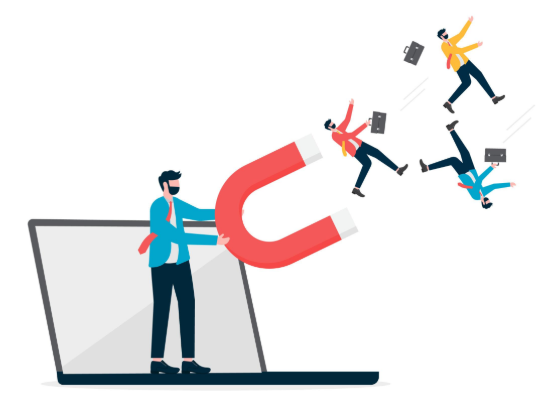
The brands growing fastest today are not necessarily the ones attracting the most customers—they are the ones creating experiences that keep customers coming back.
The Growth Model Is Changing
For a long time, growth was measured primarily by acquisition metrics.
Businesses focused on:
- Website traffic
- New leads
- New customer signups
- Reach and impressions
- Cost per acquisition
While these metrics remain valuable, many organizations discovered a major challenge.
Growth becomes increasingly expensive when businesses constantly rely on attracting new customers while neglecting existing ones.
Eventually, rising advertising costs, increased competition, and changing consumer behavior make acquisition harder and less predictable.
Retention marketing solves this problem by focusing on maximizing the value of customers who already know and trust the brand.
Instead of constantly filling a leaky bucket, retention marketing helps businesses keep more customers engaged over time.
What Is Retention Marketing?
Retention marketing refers to the strategies and activities designed to encourage existing customers to continue engaging with a brand after their initial purchase.
Rather than focusing solely on generating new sales, retention marketing aims to:
- Increase repeat purchases
- Improve customer satisfaction
- Build loyalty
- Strengthen relationships
- Encourage advocacy
- Increase customer lifetime value
It shifts the focus from transactions to relationships.
And in today’s market, relationships are becoming one of the strongest competitive advantages a business can have.
1. Loyal Customers Generate More Revenue
One of the biggest reasons retention marketing is gaining attention is simple: loyal customers spend more.
As customers become familiar with a brand, trust increases. That trust often leads to:
- More frequent purchases
- Larger order values
- Higher product adoption
- Greater willingness to try new offerings
Unlike first-time buyers who may still have doubts, returning customers already understand the value of the brand.
This makes future purchasing decisions much easier.
For many businesses, a relatively small group of loyal customers often contributes a significant percentage of total revenue.
2. Retention Reduces Marketing Costs
Customer acquisition costs continue rising across most industries.
As more businesses compete for attention online, advertising becomes more expensive and audiences become harder to reach.
Retention marketing helps offset these challenges.
When brands focus on nurturing existing customers, they often generate additional revenue without spending heavily on acquiring new audiences.
Email marketing, loyalty programs, personalized recommendations, customer communities, and post-purchase engagement can often deliver strong returns at a fraction of acquisition costs.
This creates a more efficient and sustainable growth model.
3. Customer Experience Becomes a Competitive Advantage
In many markets today, products and services are becoming increasingly similar.
As a result, customer experience often becomes the key differentiator.
Retention marketing encourages businesses to focus on:
- Customer support
- Personalization
- Convenience
- Communication
- Value delivery
When customers consistently have positive experiences, they are more likely to remain loyal even when competitors offer similar alternatives.
Exceptional customer experiences create emotional loyalty that goes beyond price comparisons.
4. Retained Customers Become Brand Advocates
One of the most valuable outcomes of retention marketing is advocacy.
Satisfied customers naturally share experiences with:
- Friends
- Family
- Colleagues
- Online communities
- Social media audiences
These recommendations often carry more influence than traditional advertising.
People trust recommendations from other consumers because they feel authentic and unbiased.
As a result, retention marketing not only increases customer value but can also contribute to organic customer acquisition.
5. Personalization Drives Long-Term Engagement
Modern consumers expect experiences tailored to their preferences.
Retention marketing increasingly relies on personalization to strengthen customer relationships.
Brands now use customer insights to provide:
- Relevant recommendations
- Personalized offers
- Customized content
- Behavioral triggers
- Targeted communication
When customers feel understood, they are more likely to remain engaged.
Personalization helps brands stay relevant without becoming intrusive.
6. Retention Creates More Predictable Growth
One of the biggest challenges businesses face is forecasting future revenue.
Customer retention helps improve predictability because repeat customers often create more stable purchasing patterns.
Businesses with strong retention strategies can:
- Forecast revenue more accurately
- Reduce dependency on advertising
- Improve customer lifetime value
- Strengthen profitability
This stability becomes increasingly valuable during economic uncertainty or market shifts.
Retention provides resilience that acquisition alone cannot always deliver.
7. The Future of Marketing Is Relationship-Driven
Marketing is evolving from transaction-focused strategies toward relationship-focused strategies.
Consumers no longer want brands that only communicate when they want to sell something.
Instead, people expect ongoing value through:
- Helpful content
- Personalized experiences
- Community engagement
- Customer support
- Loyalty programs
Retention marketing aligns perfectly with these expectations.
The businesses that invest in relationships today are building stronger foundations for future growth.
Common Retention Marketing Mistakes
While many businesses understand the value of retention, they often make avoidable mistakes.
Some of the most common include:
• Focusing only on acquisition metrics
• Ignoring post-purchase customer experience
• Sending generic communication to all customers
• Failing to gather customer feedback
• Treating loyalty programs as afterthoughts
• Prioritizing short-term sales over long-term relationships
Retention marketing requires consistency, customer understanding, and ongoing value creation.
It is not a single campaign—it is an ongoing business strategy.
Why Retention Will Define the Next Era of Growth
As customer acquisition becomes more competitive and expensive, businesses are beginning to realize that sustainable growth depends on more than attracting attention.
Future growth will increasingly come from:
- Customer loyalty
- Repeat engagement
- Community building
- Customer experience
- Long-term relationships
The brands that succeed will be those that understand customers are not simply transactions—they are ongoing relationships.
Retention marketing helps transform one-time buyers into loyal supporters, advocates, and long-term growth drivers.
Final Thoughts & Conclusion
Final Thoughts
Retention marketing is no longer just a supporting strategy—it is becoming a primary driver of business growth.
While acquiring new customers will always remain important, the most successful brands are realizing that long-term profitability comes from building stronger relationships with existing customers.
Loyal customers spend more, stay longer, refer others, and provide stability that acquisition alone cannot deliver.
In 2026, the future of growth is shifting away from constantly chasing new audiences and toward creating experiences people want to return to.
Because sustainable growth is not built solely on how many customers you gain.
It is built on how many customers choose to stay.
At Upswing Digital, we help brands create customer experiences that encourage loyalty, strengthen engagement, and drive long-term business growth. From personalized content strategies to customer retention campaigns, Upswing Digital focuses on building relationships that last beyond the first purchase.
The brands that thrive in the years ahead will not be those that simply attract attention—they will be the ones that earn trust, deliver value consistently, and give customers compelling reasons to come back again and again.
Why Digital Communities Are Replacing Traditional Audiences
Digital communities are replacing traditional audiences at a pace that most brands are only beginnin

Advanced SEO Strategies for E-Commerce Websites
Introduction to Advanced SEO Strategies for E-Commerce Websites If you have an e-commerce site, SEO
Why Carousel Posts Are Outperforming Static Creatives
Social media content is evolving faster than ever. What worked a few years ago no longer guarantees
Leave a Reply