

The Future of Social Media: What’s Next After Instagram?

For more than a decade, Instagram has shaped the way we share photos, build personal brands, and communicate digitally. But like every major platform before it, Instagram’s dominance will eventually evolve as user behavior shifts, technology advances, and new digital experiences emerge. Today, creators, marketers, and businesses are asking the same question: What comes after Instagram, and how will the future of social media look?

The next era of digital interaction will be defined by decentralization, artificial intelligence, immersive content, niche communities, and a renewed focus on authenticity and well-being. Understanding these changes now will help brands and creators stay ahead of the curve.
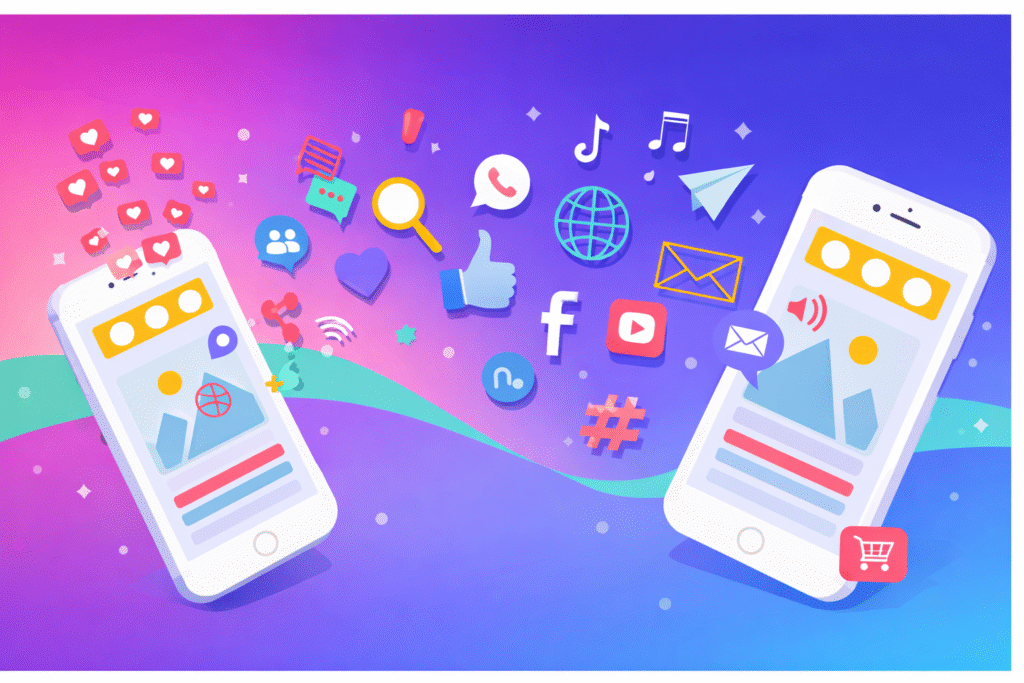
Future of social media after Instagram
1. The Rise of Decentralized & Privacy-First Platforms

A major shift coming to social media is the rise of decentralized platforms. Traditional networks like Instagram rely on centralized systems where companies control data, visibility, and revenue models. However, digital users today are increasingly concerned about privacy breaches, data misuse, and unpredictable algorithmic decisions.

Decentralized networks built on blockchain and Web3 are gaining attention because they offer users greater control over their identity, content, and monetization. They provide transparency, reduced censorship, and community-led governance. As digital autonomy becomes a priority, decentralized platforms may play a significant role in the future landscape.

2. AI Will Transform How Content Is Created & Consumed

Artificial Intelligence is already shaping what users see online, but its influence is about to expand dramatically. AI-generated visuals, scripts, captions, and videos will become mainstream tools for creators. These technologies will simplify ideation, automate editing, and customize content for different audience segments.

AI-driven feeds will also become hyper-personalized. Instead of one common algorithm, every user will receive a unique feed based on interests, past behavior, and predictive browsing. Brands will leverage AI for customer support, lead responses, and community engagement through advanced chatbots that communicate naturally and efficiently.

3. Short-Form Video Will Become Interactive & Immersive

Short-form video is the heartbeat of modern social media, and its evolution is far from over. The next generation of videos will include deeper interactive elements such as AR effects, 3D visuals, choose-your-own-story formats, and AI-driven virtual hosts. Viewers will no longer passively watch; they will participate.

Social commerce will merge seamlessly with these videos. Users will shop directly from content, try products through AR, and explore AI-tagged items instantly. This blend of entertainment and shopping will redefine online purchasing habits.

4. The Metaverse Will Redefine Digital Presence

While still emerging, the metaverse is set to transform how people socialize online. As VR and AR become more accessible, users will shift from scrolling to experiencing. Social media will evolve into virtual worlds where people meet as avatars, attend digital events, visit virtual stores, or participate in immersive brand experiences.

Brands will use the metaverse to create interactive campaigns rather than static posts. Younger audiences already prefer experiences to traditional content, making this shift inevitable.

5. Niche Communities Will Outshine Broad Platforms

As mainstream platforms grow crowded, users are moving toward niche communities that align with specific interests whether fitness, gaming, art, writing, or personal development. These smaller platforms deliver meaningful engagement, relevant content, and stronger connections.

This trend supports the growth of private groups, membership-based communities, and creator-led digital spaces. Platforms like Discord, Patreon, and Geneva are early examples of this shift.

6. Creators Will Become More Independent & Platform-Resilient

Creators no longer want to depend on a single algorithm for their livelihoods. The future of the creator economy is multi-platform, diversified, and ownership-driven. Monetization will come through subscriptions, digital products, social commerce, paid communities, and direct fan support rather than relying solely on ad revenue.

Creators will focus on building loyal micro-communities instead of chasing large follower counts.

7. Authenticity Will Overtake Perfection

Instagram’s era of curated perfection is fading. Modern audiences prefer raw, honest, unfiltered content. Platforms like TikTok and BeReal have accelerated this shift, highlighting the value of real stories and imperfect moments.

Brands will embrace authenticity too sharing behind-the-scenes content, real people, honest experiences, and transparent operations.

8. Digital Well-Being & Algorithm Transparency Will Matter More

Users increasingly want healthier and more ethical social media experiences. Platforms will introduce stronger well-being features, including screen-time reminders, safety controls, and content moderation. Algorithm transparency will also become essential, allowing users to understand why certain posts appear and giving them more control over their feed preferences.

Conclusion

The future of social media isn’t just about discovering the next Instagram. It’s about understanding evolving user behaviors and embracing new technologies that make digital interactions more immersive, personal, and meaningful. While Instagram will continue to play a role, the next era belongs to platforms that prioritize transparency, creativity, community, and user ownership.

At Upswing, we see these changes as exciting opportunities. As AI, immersive video, niche communities, and social commerce reshape the digital world, brands that adapt early will grow faster and connect deeper. Upswing focuses on helping businesses and creators stay ahead through smart strategy, data-driven content, and innovative execution.

Social media will continue to evolve but one truth remains: brands that stay authentic and tell meaningful stories will always win. And Upswing is here to guide you into that future.
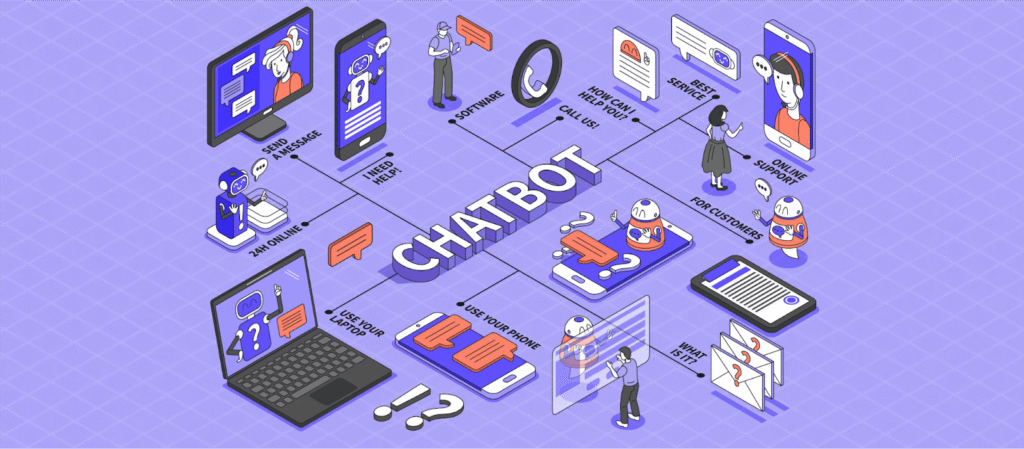
The Role of Chatbots in Enhancing Website UX

Nowadays, users expect websites to load quickly, show them what they need right away, instead of making them search. This is one reason bots you talk to are showing up everywhere on web pages lately. These tools let companies support people anytime, without slowing things down wherever someone clicks or scrolls. Over at Upswing Digital, we noticed these talking helpers actually make using a site feel easier, simpler, even more like dealing with a real person.

When sites get trickier while users want fast info, bots step in – offering instant responses, tailored tips, or hands-on help. That smooths out the online journey, quietly boosting how happy people feel, how much they interact, or whether they take action.

Chatbots
Why Chatbots Matter for Modern Website UX

A website’s user experience affects what people think, how much time they spend there, plus if they believe in the company. Chatbots make browsing easier because folks don’t end up confused or hanging on. Rather than digging around pages or sitting tight for a person to reply, users receive quick help that moves them along without hassle.

Here’s why chatbots play such an important role in modern UX:

1. Instant Assistance, Anytime

One major perk of chatbots? Instant support whenever someone needs it. People hate hanging around – they’d rather get fast info on things like costs, schedules, features, stock levels, or how stuff works. Instead of waiting, bots jump right in, helping users move smoothly without bouncing off the page.

2. Smooth Navigation

If folks struggle to locate what they need fast, frustration kicks in. Because chatbots serve as helpful guides, browsing feels smoother – leading people straight to pages, tools, or instructions in no time. As a result, hurdles drop, boosting the odds that site visitors finish what they came for.

3. Personalised User Interactions

Today’s chatbots pick up how people act then give tailored tips. Instead of just listing options, they suggest services by noticing what you do online. They handle common questions while adapting to your habits. Because of this, chatting feels more natural, like someone’s actually listening.

4. Higher Engagement & Lower Bounce Rates

A smart chatbot helps visitors interact better with a site. Because of that, they tend to stick around longer, check out extra pages, while building a real sense of connection. As a result, people engage deeper – bounce numbers drop – which pushes online results up naturally.

How Chatbots Improve Different Parts of the User Journey

To boost how folks enjoy a site, chatbots step in right from the start – helping out as people explore what the brand offers.

1. Awareness Stage: Helping Users Understand the Brand

Right when people arrive at a site, they might feel unsure about what the business does or how to get started. Yet chatbots step in with clear welcomes, short overviews, or replies to simple questions – so folks feel more sure early on.

2. Consideration Stage: Offering Detailed Guidance

When comparing stuff or looking things up, people want clear answers. Instead of hunting around, they get quick details on perks, cost, features – right from chatbots. That means less guesswork. Happier users stick around longer.

3. Decision Stage: Simplifying Conversions

Chatbots walk people through booking services, setting up meetings, or buying stuff one step at a time. Because of that, making choices feels easier, which means fewer folks quit halfway.

4. After-Support Stage: Building Long-Term Trust

Good follow-up after buying keeps people coming back. Chatbots take care of basic questions – tracking orders, sending reminder alerts, explaining rules, or fixing small issues. That way, real agents can focus on harder tasks, but help’s still there when needed.

Different Types of Chatbots that Enhance Website UX

Some chatbots work one way, others don’t. A company’s needs decide which type boosts its site better.

1. Rule-Based Chatbots

These go by a clear path or list. So they lead people step-by-step using set replies – great for common questions, quick menus, or straightforward tasks.

2. AI-Powered Chatbots

They’re smarter, picking things up as people use them. Instead of just reacting, they adapt – giving replies that fit better with what you need. Over time, thanks to real conversations, their guesses get sharper. Understanding everyday speech? That’s part of how they keep getting it right.

3. Hybrid Chatbots

A blend of automated tools with live help – whenever things get tricky, the bot smoothly hands off to an actual person.

4. Voice Enabled Chatbots

Users can talk to these, so they browse without touching anything – feels like the future but works right now.

Every kind affects site experience in its own way – picking the best option comes down to what the business requires, how users act, or even how messages are delivered.

Benefits of Using Chatbots for Businesses

Though chatbots aim to boost how users feel about a service, they can still lift company results at the same time.

1. Better Lead Generation

Chatbots grab what users like, their info, or what they need right away – so companies get good leads without being pushy.

2. Improved Customer Satisfaction

Faster answers mean more satisfied visitors. Because a chatbot jumps in quickly, nobody gets stuck waiting or gives up mid-conversation.

3. Lower Operational Costs

Chatbots ease the burden on customer service staff – so companies handle extra requests without hiring more people.

4. Consistent Brand Interaction

People receive steady replies, mood, also direction – anytime, on any gadget, whatever the case.

5. Real-Time Insights

Chatbots watch how users act, then spot frequent problems or what grabs attention. So companies tweak their website feel along with ads based on real actions.

How Upswing Digital Builds Chatbots that Improve UX

Over at Upswing Digital, our chatbots act more like people – thanks to smooth replies plus real-world help. They slide right into your site without fuss, making visits feel easier. Each feature’s built to boost how users experience pages.

Here’s how we do it:

1. Understanding Your User Needs

We start by checking out who your visitors are, what bugs them, also how they act on your site. That way we build chatbot paths that actually assist people rather than confusing them.

2. Creating Natural & Friendly Conversations

Your bots come across as friendly, easy to understand, maybe even a bit relatable – so they fit naturally into how your brand talks. They don’t just reply, they match the vibe you’ve already got going.

3. Smooth Integration with the Website

We make sure the chatbot runs fast, functions across every device, yet stays out of your way while surfing. Fluid shifts mean a nicer experience.

4. Smart Routing to Human Agents

If things get tricky, the chatbot quickly links you to an actual person – so you’re not stuck, yet help stays fast.

5. Continuous Improvement Using Analytics

We check how well it’s working now but tweak the bot often – so answers hit closer, reply quicker, or feel smoother each time.

Conclusion: Chatbots Are the Future of Website UX

Chatbots aren’t just extra anymore – they’re key to a solid site vibe. They let visitors know help’s there, smooth out hiccups, also speed up navigation while making it fun. For companies, these tools boost interaction, bring in potential customers, plus build real confidence.

In our work at Upswing Digital, clear layouts plus quick reactions shape real user comfort – while smart bots help make it happen. When visitors get support when they need it, time on site increases because navigation feels natural. Pages that listen tend to keep people moving forward without confusion. Better flow often leads to stronger results in the end.

If you’re looking to improve your website’s speed, functionality, or user experience, starting with a well-built chatbot is a smart choice.