
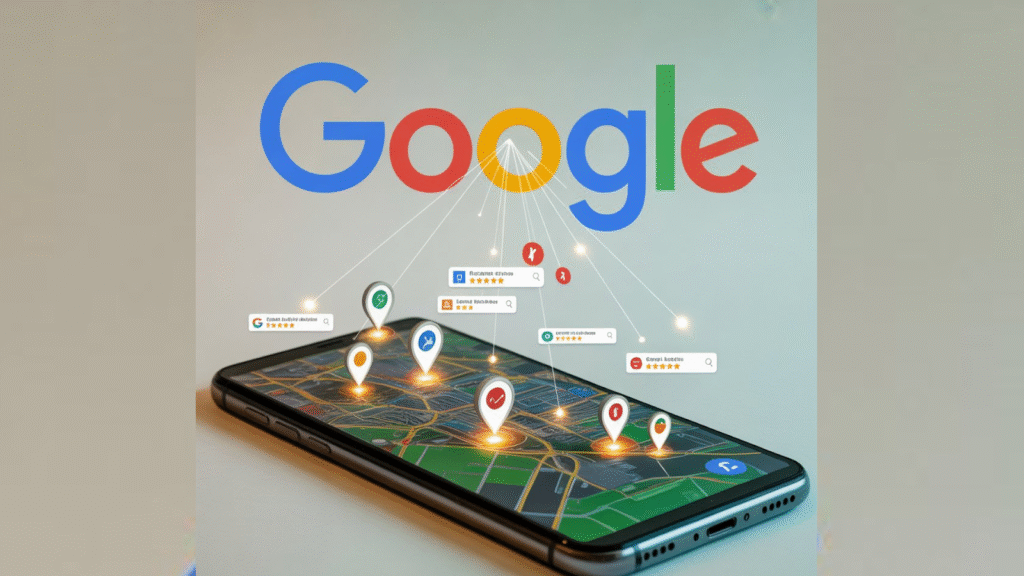
Local SEO Updates: What Google Now Prioritizes for Local Searches

Local search is one of the main ways people find nearby businesses today. When someone wants a salon, restaurant, clinic, or shop, they usually search on Google first. Because Google updates its system often, businesses need to stay aware of the latest local SEO updates to stay visible online.
Google now gives more importance to relevance, trust, and user experience. Knowing what Google prefers helps local businesses reach the right customers at the right time.

Why Local SEO Matters More Than Ever?

Local SEO helps your business show up when people search for services near them. Searches like “near me” or “open now” usually mean the person is ready to visit, call, or book.
Since most people use their phones for local search, these results directly affect store visits, phone calls, and online bookings. Businesses that follow local SEO updates stay ahead of competitors who do not.
Local SEO Updates: What Google Prioritizes Today
What’s New with Google’s Algorithm?

Google regularly updates its algorithm to give users better search results. Recent local SEO updates show that Google now focuses more on helpful content, real business information, and user satisfaction instead of old methods like keyword overuse.

1. Focus on Relevance

Google wants to show results that clearly match what the user is looking for. Businesses must clearly explain their services and the areas they serve.

How to Improve Relevance

Choose the correct business category, add clear and detailed service descriptions, and use location-based keywords naturally throughout your profile—when your business information is well-structured and precise, Google is better able to understand your offerings and display your business in the most relevant search results, helping you attract the right audience.

2. Distance Still Counts

Google also looks at how close a business is to the user. While you cannot control distance, you can improve other areas to stay competitive.

What You Can Do

Keep your address accurate and consistent across all platforms, create separate pages for each business location to improve visibility, and ensure your map pin is placed correctly so customers can easily find you and Google can confidently display your business in relevant local searches.

3. Optimize Your Google Business Profile

One of the biggest local SEO updates is the growing importance of Google Business Profile. It is often the first thing users see when they search for a local business.

Key Elements Google Prioritizes
1. Complete and Updated Information

Businesses with updated working hours, services, photos, and contact details rank better. Missing or outdated information can reduce visibility.

2. Regular Posts and Updates

Posting offers, announcements, or updates shows Google that your business is active and trustworthy.

3. Photos and Videos

Clear and high-quality photos or videos attract attention and increase engagement.

The Power of Customer Reviews: What Matters

Reviews are no longer just feedback from customers. They play a major role in how Google ranks local businesses.

Quantity and Quality

A higher number of positive reviews builds trust and improves rankings.

Freshness of Reviews

Recent reviews show that the business is active and reliable.

Owner Responses

Replying to reviews shows that you care about customers, which Google values in local search.

Improve Your Website Experience 

Recent local SEO updates show that Google checks how users interact with your website.

Key Website Factors Google Prioritizes
Mobile-Friendly Design

Since most local searches happen on mobile phones, your website must work well on smaller screens.

Fast Loading Speed

Slow websites frustrate users and lower your ranking.

Clear Local Content

Pages that mention your location and services help Google understand your local relevance.

Keep Your Business Info Consistent

Google checks your business details across websites, directories, and social media. If information is inconsistent, your ranking may drop.

Important Consistency Factors
Name, Address, Phone Number (NAP) 

Your NAP details must be the same everywhere online.

Business Categories and Descriptions

Using the same categories and descriptions improves trust and visibility.

Local Content Is Gaining More Importance

Google now gives preference to content that is useful and relevant to local audiences.

Examples of Local Content That Performs Well

Location-Specific Service Pages 

These pages help attract customers from nearby areas.

Local Blogs and Updates 

Writing about local events or tips increases local search visibility.

FAQs for Local Customers 

Answering common questions builds trust and improves rankings.

How User Actions Affect Rankings

Google tracks how users interact with your listing and website.

Important Behaviour Signals 

Click-through Rates 

More clicks tell Google that your listing is relevant.

Calls and Direction Requests 

High interaction shows strong customer interest.

Time Spent on Website

A good user experience keeps visitors longer and improves local search performance.

Conclusion

Local SEO updates clearly show that Google values relevance, trust, user engagement, and good experience. Businesses that focus on these areas perform better in local search and attract customers who are ready to take action.
By improving your Google Business Profile, keeping information consistent, collecting reviews, and enhancing your website, local businesses can grow steadily. In today’s competitive market, adapting to local SEO updates is not optional, it is essential for long-term success.
How Retargeting Ads Can Increase Your Sales by 200%

Discover how retargeting ads re-engage visitors and increase sales by 200% with proven strategies from Upswing Digital.

Retargeting ads target users who previously interacted with your website or brand, showing them tailored ads across platforms to recapture interest. This strategy leverages cookies or pixels to follow warm leads, turning browsers into buyers effectively. Upswing Digital specializes in optimizing these campaigns for maximum impact.

Businesses often lose 70% of website visitors without conversion, but retargeting brings them back with personalized reminders. Studies show retargeted visitors convert 43% more than first-time ones, making it essential for sales growth. At Upswing Digital, we craft retargeting solutions that align with your goals.

What Are Retargeting Ads?
Core Mechanics of Retargeting

Retargeting ads display customized messages to past visitors on sites like Google, Facebook, or LinkedIn based on their behavior. Pixels track actions such as viewing products or abandoning carts, enabling dynamic ads featuring those exact items. This familiarity boosts click-through rates by 76% over standard display ads.

Types of Retargeting Strategies

Display Retargeting: Shows banner ads on partner networks to remind users of your brand.

Search Retargeting: Targets users searching related keywords who visited your site before.

Dynamic Retargeting: Automatically populates ads with specific products users viewed, tripling conversions in some cases.​

Upswing Digital implements these types seamlessly for e-commerce and B2B.

Why Retargeting Ads Drives 200% Sales Growth?

Retargeting taps into high-intent audiences already familiar with your offerings, reducing acquisition costs significantly. Data reveals it can skyrocket conversions by up to 200%, as seen in case studies where signups doubled through precise ad delivery. Cart abandonment drops by 26%, directly lifting revenue.

Retargeting delivers a significant impact on sales performance, with retargeted customers converting up to 70% more readily than new traffic and brand awareness increasing by as much as 500% in search results. Optimized campaigns can achieve ROI levels of around 590% while reducing cost per acquisition by 33%, and these results are further amplified when combined with smart bidding strategies like Google’s target CPA.

Retargeting Ads: Boost Sales by 200% | Upswing Digital
Implementing Retargeting for Maximum ROI

Start by installing tracking pixels on your website using platforms like Google Ads or Meta to capture user behavior data. Next, segment your audiences based on actions—such as cart abandoners or users who viewed key pages within the last 180–540 days—to enable more targeted campaigns. Create responsive ads that highlight your brand, clear value propositions, and strong messaging to improve click-through rates.

Define medium-intent keywords aligned with your core content themes to attract the right audience, and exclude existing customers when your goal is to acquire new prospects. Finally, use UTM parameters to track performance accurately and continuously optimize your campaigns for better results.

Best Practices from Upswing Digital

Test ad creatives with title case headlines and pinned differentiators like “Generate Revenue, Not Leads.” Monitor demographics, reach, and engagement metrics regularly. Upswing Digital‘s experts handle segmentation and bidding to ensure 147% average conversion lifts.

Challenges and Solutions in Retargeting

Frequency caps prevent ad fatigue, keeping campaigns fresh. Privacy updates like cookie deprecation require first-party data strategies, which Upswing Digital navigates expertly. Always prioritize compliant targeting for sustained 200% sales boosts.

Conclusion

Retargeting ads offer a powerful pathway to boost sales by up to 200% by re-engaging high-intent visitors with personalized, timely messaging across digital platforms. Businesses leveraging these strategies see dramatic lifts in conversions, reduced cart abandonment, and superior ROI compared to cold traffic campaigns. Upswing Digital has helped numerous clients achieve these results through precise audience segmentation and optimized ad creatives. Key benefits include 70% higher conversion rates from retargeted users and up to 590% ROI in well-executed setups.

Why Retargeting is More Powerful than Prospecting?

In the fast-paced world of digital marketing, businesses often face a critical question: should they focus more on prospecting or retargeting? While prospecting helps brands reach new audiences, retargeting ensures that those who have already shown interest are reminded of your products or services. At Upswing Digital, we believe that understanding the difference between retargeting vs prospecting is essential for building campaigns that truly convert.

What is Prospecting?

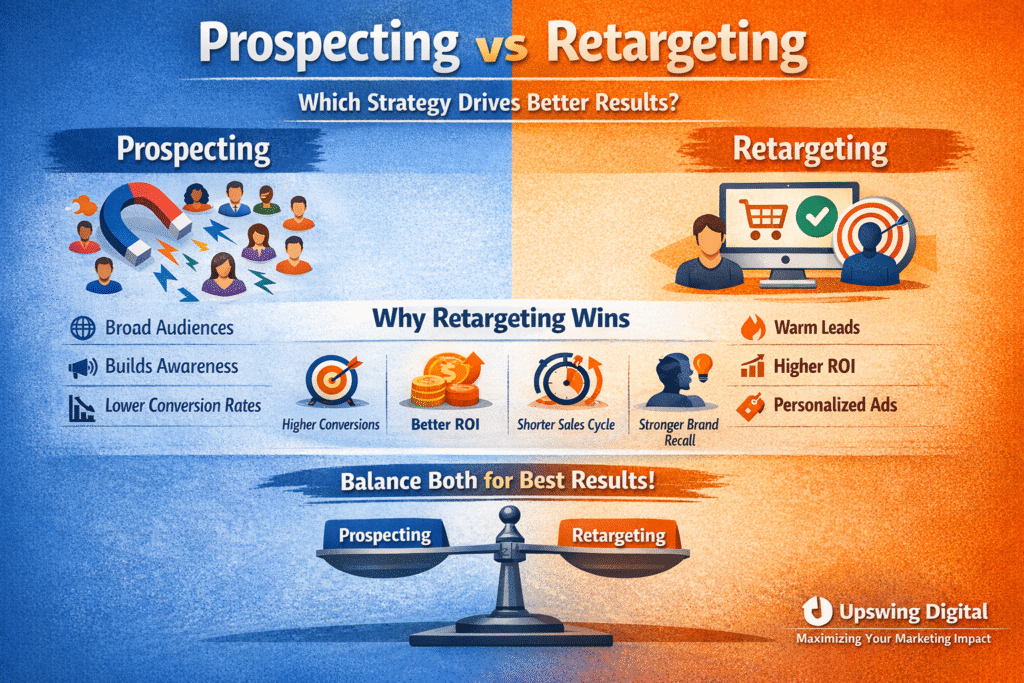
Prospecting involves casting a wide net to attract fresh leads by targeting broad audiences based on demographics, interests, or behaviors, with the primary goal of building awareness among people who may not yet know your brand. Since these are cold audiences, conversion rates tend to be lower and require multiple touchpoints to build trust over time. While prospecting is essential for long-term growth, it can often be more expensive and less efficient compared to retargeting strategies.

What is Retargeting?

Retargeting focuses on people who have already interacted with your brand—such as visiting your website, clicking on an ad, or engaging with your social media—making them warm leads who are closer to purchasing. Because these users have already shown interest, retargeting is highly targeted, more conversion-focused, and often more cost-effective, delivering better ROI by nurturing existing intent; this is why, when compared to prospecting, retargeting frequently comes out on top.

Why Retargeting is More Powerful than Prospecting

Retargeting is more powerful than prospecting because it focuses on users who already know your brand, resulting in higher conversion rates and a shorter path to purchase. Instead of spending heavily on building awareness like prospecting campaigns, remarketing delivers better ROI by maximizing the value of existing traffic and minimizing wasted ad spend. It also enables highly personalized messaging—such as abandoned cart reminders, tailored offers, or content based on previous behaviour—which significantly increases effectiveness. Additionally, remarketing helps shorten the sales cycle by re-engaging interested users and strengthens brand recall through repeated exposure, keeping your business top-of-mind and building trust over time.

Retargeting vs Prospecting: Why Retargeting Wins

Balancing Retargeting and Prospecting

While retargeting is more powerful, prospecting still plays an important role in growing your audience, so the key is balance—use prospecting to attract new leads and retargeting to nurture and convert them. At Upswing Digital, the recommended approach is to allocate a larger share of your budget to remarketing while continuing prospecting efforts for sustainable long-term growth. To make re-engaging truly effective, focus on segmenting your audience based on behaviour, use personalized creatives like product-specific ads or reminders, set frequency caps to avoid ad fatigue, test different offers such as discounts or urgency-based messaging, and continuously optimize campaigns using performance data to improve conversions.

Segment Your Audience

Not all visitors are the same, so effective remarketing starts with segmenting your audience based on their behaviour—such as general website visitors, cart abandoners who showed strong purchase intent, and past customers who are more likely to buy again—allowing you to deliver more relevant, personalized ads that significantly improve engagement and conversions.

Optimize Frequency

Too many ads can annoy users. Set frequency caps to avoid overwhelming your audience.

Use Dynamic Ads

Dynamic remarketing shows users the exact products they viewed, making ads highly relevant and increasing the likelihood of conversion.

Test and Refine

Regularly test ad creatives, messaging, and placements. Remarketing works best when campaigns are continuously optimized.

CONCLUSION

When comparing retargeting vs prospecting, the evidence is clear: remarketing delivers higher conversions, stronger ROI, and more personalized customer experiences. Prospecting is valuable for growth, but re-engaging ensures that your marketing spend translates into real results.

At Upswing Digital, we help businesses harness the full potential of remarketing strategies to maximize impact. By focusing on audiences who already care about your brand, you can achieve sustainable growth and long-term success.

The Truth About High-Performing Ad Creatives

In today’s digital world, people see hundreds of ads every day on social media, websites, and apps. Because of this, creating ads that truly perform has become more difficult than ever. Many brands believe that eye-catching designs or large ad budgets guarantee success, but that is not the real story.
The truth is that high-performing ad creatives succeed because they are clear, relevant, and well-planned. Great ads are built by understanding people, platforms, and messaging not by chance.

What Are High-Performing Ad Creatives?

High-performing ad creatives are ads that consistently meet their goals. These goals may include getting more clicks, leads, sales, or increasing brand awareness. Such ads capture attention quickly and communicate the message clearly.
Instead of focusing only on visuals, effective ad creatives balance design, messaging, and relevance. They speak directly to customer needs and provide simple solutions.

The Biggest Myth: Design Alone Drives Results

Many people believe that ads with fancy designs always perform better. While design is important, it is not the main reason an ad succeeds. In many cases, simple ads perform better because they are easy to understand.
High-performing ad creatives focus on clarity rather than decoration. If users cannot understand the message within a few seconds, they will scroll past the ad, no matter how good it looks.

The Truth Behind High-Performing Ad Creatives
Clarity Beats Creativity in Ad Performance
Clear Messages Drive Faster Decisions

Creativity helps ads stand out, but clarity drives action. An ad should clearly explain what is being offered and why it matters to the audience. Users should not need extra time to understand the message.

One Message Works Better Than Many

High-performing ad creatives focus on one strong idea. Trying to communicate multiple messages in one ad often leads to confusion and lower engagement.

Understanding the Audience Makes the Biggest Difference

One of the main reasons ads fail is because they are not made for the right audience. High-performing ad creatives are based on real audience insights, not guesses. Knowing what your audience needs, worries about, or wants helps create messages that feel relevant.
When ad creatives reflect real customer problems and emotions, users feel understood. This emotional connection makes them more likely to engage and take action.

Different Platforms Need Different Ads

An ad that works well on one platform may not perform the same way on another. Each platform has its own style and user behavior. High-performing ad creatives are always created based on the platform they appear on.
For example, short videos usually work better on social media, while simple images may work better on display ads. Understanding these differences helps create ad creatives that perform better.

Strong Messaging Drives Better Results

Clear messaging is the foundation of good ad creatives. A strong headline, easy-to-read text, and a clear call-to-action help users understand what to do next.
High-performing ad creatives talk to the audience in a simple and friendly way. Instead of sounding like an advertisement, they feel like helpful suggestions or solutions.

Emotions Play a Big Role in Ad Performance

People often make decisions based on emotions first and logic later. High-performing ad creatives connect with emotions like trust, curiosity, urgency, or excitement. When ads show how a product or service can solve a problem or improve life, they feel more relatable. This emotional connection helps ads hold attention and increase engagement.

Consistency Helps Build Brand Trust

Seeing the same style, tone, and message repeatedly helps people recognize and trust a brand. High-performing ad creatives match the brand’s overall look and voice.
When users see consistent ad creatives over time, they feel familiar with the brand. This familiarity builds confidence and increases the chances of clicks and conversions.

Testing Helps Improve Ad Performance

No ad is perfect from the beginning. High-performing ad creatives are usually the result of testing different versions. Brands test headlines, visuals, and formats to see what works best.
By analyzing results and making changes, businesses can improve ad performance over time. Testing removes guesswork and helps create ads based on real data.

Simple Ads Often Perform Better

Simple ad creatives are easier for users to understand and remember. Ads with too much text or too many design elements can feel overwhelming. High-performing ad creatives focus on one goal and guide the user smoothly toward it. Keeping things simple helps reduce confusion and encourages action.

Authentic Content Builds Stronger Connections

Today’s audience prefers ads that feel real and honest. Ads that look too polished or promotional may feel less trustworthy. High-performing ad creatives often include real people, genuine stories, or behind-the-scenes content. Authentic ads build trust and help create long-term relationships with customers.

High-Performing Ad Creatives Are Not Accidental

Successful ads are created through research, planning, and improvement. High-performing ad creatives are not lucky accidents. They are the result of understanding what works and why.
Brands that focus on strategy and testing see more consistent results than those that rely on guesswork.

Conclusion

The truth about high-performing ad creatives is simple. They work because they are clear, relevant, audience-focused, and tested regularly. Good ads are not just attractive; they are meaningful and useful.
By focusing on clarity, simplicity, and authenticity, brands can create ad creatives that capture attention and drive real business results. In a competitive digital world, the ads that truly perform are the ones that connect with people in a genuine way.

SEO for Small Businesses: What Works After Google’s Latest Updates

 SEO for Small Businesses: Post-Google Updates Strategies

SEO for small businesses is constantly evolving, especially after Google’s latest algorithm updates. These changes can impact how your website ranks and performs online. The good news is that with the right strategies, small businesses can adapt, stay visible, and even outperform competitors.

SEO for small businesses continues to evolve, and staying updated with the latest strategies is key to maintaining strong search visibility.

Understanding Google Updates for SEO for Small Businesses

Google’s updates like BERT, E-A-T, and Core Web Vitals aim to improve user experience and relevance. For small businesses, this means focusing on quality content, user experience, and technical optimization.

1. E-A-T: Expertise, Authoritativeness, Trustworthiness

Google emphasizes E-A-T for better rankings. Showcase your expertise, build authority, and gain trust with:

– High-quality content

– Author bios with credentials

– Customer reviews and testimonials

2. Core Web Vitals

Page experience matters. Focus on:

– LCP (Largest Contentful Paint): Load speed

– FID (First Input Delay): Interactivity

– CLS (Cumulative Layout Shift): Visual stability

Effective SEO Strategies for Small Businesses

1. Content is King (Still)

Create valuable, relevant, and engaging content that answers user queries. Use:

– Long-tail keywords naturally

– Blog posts, guides, and FAQs

– Multimedia content like videos and infographics

2. Local SEO

Optimize for local searches with:

– Google My Business listing

– Local keywords and content

– Reviews and local citations

3. Mobile-Friendliness

Ensure your site is mobile-friendly:

– Responsive design

– Fast loading speed

– Easy navigation

4. Link Building

Build quality backlinks:

– Guest blogging

– Partnerships and collaborations

– High-quality directory listings

5. Technical SEO

Don’t neglect technical aspects:

– Site speed optimization

– SSL (HTTPS)

– XML sitemap and robots.txt

Post-Update SEO Checklist

1. Content Audit: Update and optimize existing content

2. Technical Audit: Fix broken links, improve speed

3. Local SEO: Claim and optimize Google My Business

4. Backlink Profile: Monitor and improve

5. Analytics: Track performance and adjust

Conclusion

SEO for small businesses may seem challenging after Google updates, but focusing on quality content, user experience, and technical optimization makes all the difference. By adapting to these changes, small businesses can improve visibility, attract the right audience, and drive consistent growth. At Upswing Digital, we help businesses simplify SEO and achieve measurable results.

Why Your Business Needs a Brand Story

As people, we love stories.

We’ve been hearing them since we were children

Think about it – who didn’t love storytime?

We don’t outgrow stories. Whether we enjoy reading books, watching movies, playing video games, or even using social media, stories are still very much a part of our daily lives.

Discover why a compelling brand story builds trust, loyalty, and sales. Upswing Digital shares steps to create yours and elevate your business.

Introduction

In today’s crowded digital marketplace, a strong brand story sets businesses apart by forging emotional connections with customers. Unlike generic marketing pitches, brand storytelling weaves your company’s purpose, challenges, and triumphs into a narrative that resonates deeply. At Upswing Digital, we help brands craft stories that drive engagement and growth, turning passive viewers into loyal advocates.

Stories Turn Businesses Into Brands

It’s a cold world and consumers know that a business’ primary concern is profitability. Since every business exists to make money, what could possibly make one different from another?

This is where your brand comes in.

Brands are designed with values that people can relate to. The idea is to manufacture a personality that appears more human. When a brand’s personality resonates with a consumer, they feel an emotional connection that can inspire trust. Trust lowers the consumers’ guard, which comforts them.

When it comes down to it, brands emulate human connections. Like friendships.

Wouldn’t you rather buy from a friend over a soulless business?

But what transforms a business into a brand? A story.

Why Your Business Needs a Brand Story
7 Powerful Reasons Your Business Needs a Brand Story

Brands with authentic stories outperform competitors by building trust and loyalty, as customers remember narratives far better than plain facts, making storytelling essential for standing out. A strong brand story humanizes your business, allowing customers to connect with your journey and see themselves in it, shifting the focus from products to shared values and long-term relationships. By addressing customer pain points through relatable struggles and positioning your brand as a guide rather than just a seller, storytelling creates deeper emotional connections and increases retention, as audiences feel personally invested in your brand.

Boosts Customer Loyalty and Sales

Stories create memorable experiences that lead to repeat business. Companies using brand storytelling see higher conversion rates and word-of-mouth referrals.

Enhances Differentiation

In saturated markets, a unique brand story highlights what makes you irreplaceable. It differentiates from feature lists by emphasizing purpose and impact.

Key Elements of a Powerful Brand Story

Effective brand stories follow a clear structure: origin, evolution, and vision. 

Define Your Brand’s Core Identity.

Outline origins: Share the problem you solved and why you started.

Highlight uniqueness: What sets your business apart?

Understand audience: Tailor to their needs and emotions.

Craft a Compelling Narrative Arc

Structure your brand story with a clear beginning, middle, and end to create maximum impact. Start by setting the stage with your origin or the problem that sparked your journey, then build the narrative by highlighting key milestones, challenges, and growth along the way. Conclude by inspiring your audience with your future vision and the transformation you aim to create for your customers.

How to Create Your Brand Story: Step-by-Step Guide

Step 1: Research and Reflect

Gather insights on your history and audience. Interview customers to uncover what matters most.​

Step 2: Outline Key Components

Answer pivotal questions such as why your company exists, who is involved, and what lessons emerge, while focusing on a smooth narrative flow rather than listing facts

Step 3: Write and Refine

Draft a concise story, then edit for brevity and emotion. Use the CAR framework for simplicity.​

Step 4: Integrate Across Channels

Embed your story in websites, social media, and ads. Use visuals and testimonials to amplify reach.​

Step 5: Test and Iterate

Share drafts for feedback. Measure engagement to refine, ensuring it drives desired actions.​

Common Pitfalls to Avoid in Brand Storytelling

Many brands fail by making their stories self-centred or overly salesy, which can disconnect them from their audience. To create impact, it’s important to keep the narrative customer-focused and genuine, evoking emotions instead of listing features. Avoid exaggeration, as authenticity is what truly builds trust, and keep the story concise and meaningful to ensure it remains engaging and effective.

Success Stories from Brand Storytelling

Nike’s “Just Do It” narrative transformed challenges into empowerment, boosting global loyalty. Patagonia shares environmental struggles, aligning with eco-conscious buyers.

Conclusion

Your business needs a brand story to thrive in 2025’s competitive landscape—it builds unbreakable bonds and drives sustainable growth. Partner with Upswing Digital today to craft and deploy yours. Contact us for a free brand story audit and elevate your narrative now

How Influencer Content Impacts Purchase Decisions

In today’s digital landscape, influencer marketing has become a powerful tool for brands to reach and engage their target audience. But how exactly does influencer content impact purchase decisions? Let’s dive in.

The Power of Influencer Content

Influencers have built trust and credibility with their audience, making their recommendations more relatable and authentic. When an influencer endorses a product or service, it can significantly influence their followers’ purchasing decisions.

1. Social Proof

Influencers provide social proof, showcasing products in real-life scenarios, which helps build trust and credibility.

2. Authentic Storytelling

Influencers share personal experiences, making the brand more relatable and increasing the likelihood of a purchase.

3. Product Showcase

Influencers showcase products in a lifestyle setting, giving followers a clear idea of how the product works and fits into their lives.

Influencer Content Impact: Driving Purchase Decisions
Types of Influencer Content That Drive Conversions

1. Product Reviews

Honest reviews from influencers can sway purchase decisions, highlighting pros and cons.

2. Product Tutorials

Tutorials and demos showcase product benefits and features, increasing the likelihood of a purchase.

3. Behind-the-Scenes Content

Exclusive content gives followers a glimpse into the brand, building trust and curiosity.

4. User-Generated Content

Influencers encourage user-generated content, creating a ripple effect and increasing engagement.

How Influencer Content Impacts the Purchase Funnel

1. Awareness

Influencers introduce brands to new audiences, increasing awareness and reach.

2. Consideration

Influencers provide social proof and product insights, helping followers consider the product.

3. Conversion

Influencers drive conversions with exclusive offers, promo codes, or affiliate links.

Best Practices for Leveraging Influencer Content

1. Choose Relevant Influencers

Partner with influencers aligned with your brand values and target audience.

2. Authentic Collaboration

Encourage authentic content creation, allowing influencers to showcase products naturally.

3. Clear Objectives

Define campaign goals and track performance to measure ROI.

4. Engage and Monitor

Monitor conversations and engage with followers to build a community.

Measuring Influencer Content Success

1. Engagement Rates

Track likes, comments, and saves to gauge content performance.

2. Conversion Rates

Monitor conversions driven by influencer content.

3. Brand Sentiment

Analyze comments and sentiment around influencer content.

Conclusion

Influencer content has a significant impact on purchase decisions, offering brands a powerful way to connect with their audience. By leveraging influencer marketing strategies, businesses can drive engagement, conversions, and brand loyalty. At Upswing Digital, we help brands navigate influencer marketing and create impactful campaigns.

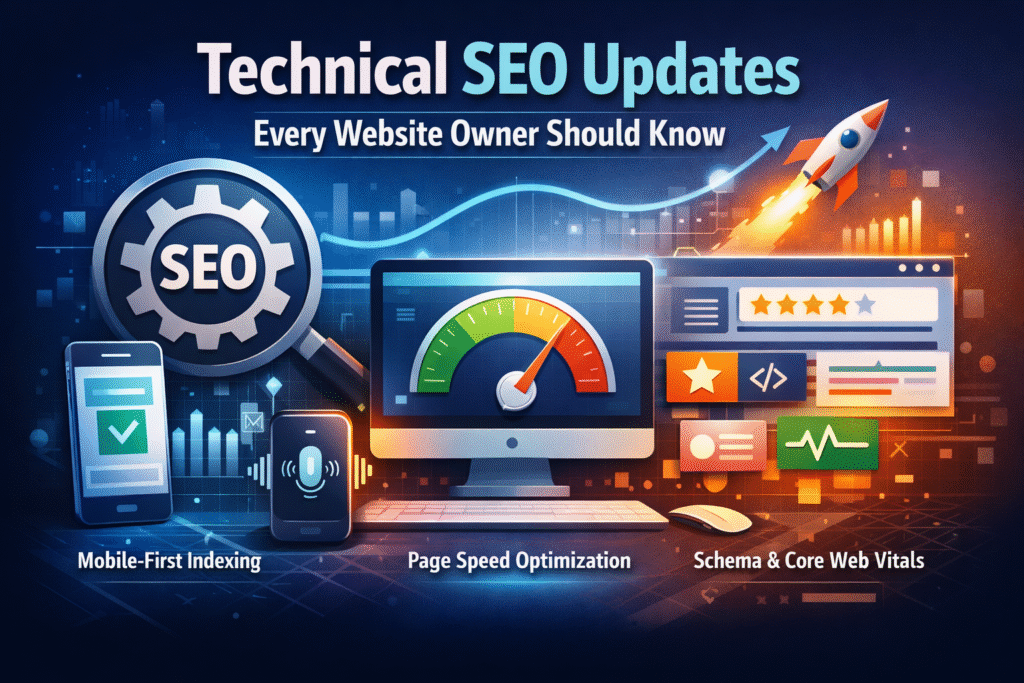
Technical SEO Updates Every Website Owner Should Know

Search engines evolve constantly, and so should your website. For business owners, marketers, and entrepreneurs, technical SEO is no longer optional; it’s the backbone of online visibility. At Upswing Digital, we believe simplifying complex SEO concepts helps every website owner take control of their growth. The golden rule is simple: stay ahead with technical SEO updates to future-proof your website.

Why Technical SEO Matters

Technical SEO ensures that search engines can crawl, index, and rank your website effectively. Without it, even the most creative content may remain invisible. Think of it as the foundation of your digital house if the structure isn’t solid, the design won’t matter.

Core Technical SEO Updates You Shouldn’t Ignore

Mobile-First Indexing

Google now prioritizes mobile versions of websites. Responsive design, fast loading times, and easy navigation are critical. By optimizing for mobile, you stay ahead with technical SEO updates to future-proof your website.

Page Speed Optimization

Speed is a ranking factor. A slow site frustrates users and signals poor quality to search engines. Use tools like Google PageSpeed Insights, implement lazy loading, and minimize JavaScript. Faster sites not only improve user experience but also help you stay ahead with technical SEO updates to future-proof your website.

Structured Data & Schema Markup

Structured data helps search engines understand your content better. Adding schema markup can enhance visibility with rich snippets. Highlight reviews, FAQs, and product details to strengthen your SEO foundation.

Technical SEO Updates for Better Rankings
Emerging Trends in Technical SEO

Core Web Vitals

Google’s Core Web Vitals measure user experience through metrics like loading speed, interactivity, and visual stability. Optimizing these ensures your site remains competitive in search rankings.

AI and SEO Automation

Artificial intelligence is reshaping SEO. Tools now automate audits, keyword tracking, and even content suggestions. Leveraging AI means you stay ahead with technical SEO updates to future-proof your website.

Voice Search Optimization

With smart devices everywhere, voice search is growing. Optimizing for conversational queries and local SEO ensures your site is ready for the future.

Practical Steps for Website Owners

Regular SEO Audits

Conducting audits helps identify issues before they impact rankings. Checking crawl errors, broken links, and site structure ensures you stay ahead with technical SEO updates to future-proof your website.

User Experience First

Search engines reward websites that prioritize user experience. Simplify navigation, use clear CTAs, and avoid intrusive pop-ups.

Continuous Learning

SEO is dynamic. What works today may not work tomorrow. Following Google updates and engaging with SEO communities keeps your strategies fresh.

Conclusion

Technical SEO is not about chasing algorithms, it’s about creating a seamless experience for users and search engines alike. By focusing on mobile-first design, speed, structured data, and emerging trends like Core Web Vitals and voice search, you can future-proof your website. At Upswing Digital, we simplify SEO so every website owner can take actionable steps without feeling overwhelmed. The key takeaway is clear: stay ahead with technical SEO updates to future-proof your website.

Why Engagement Rate Is More Important Than Follower Count?

For years, follower count was seen as the ultimate measure of success on social media. Brands chased high numbers, creators focused on growing audiences quickly, and popularity was often mistaken for influence. But today, that mindset is changing. In a digital landscape driven by algorithms, authenticity, and meaningful interaction, engagement rate has become far more valuable than follower count.

Engagement rate reflects how actively an audience interacts with content through likes, comments, shares, saves, and conversations. Unlike follower numbers, which can be inflated or inactive, engagement shows real interest, trust, and connection. For brands and creators aiming for impact not just visibility, engagement is the metric that truly matters.

1. Follower Count Doesn’t Reflect Real Influence

A large follower count looks impressive, but it doesn’t guarantee influence. Many accounts have thousands or even millions of followers who rarely interact with posts. Some followers may be inactive, uninterested, or even fake. This creates a misleading sense of popularity.

Engagement rate, on the other hand, shows how many people actually care about the content. A smaller account with strong engagement often has more influence than a large account with low interaction. Brands today recognize that reach without response delivers little value.

2. Engagement Signals Trust and Audience Quality

High engagement indicates trust. When users like, comment, save, or share content, they’re showing genuine interest. These actions require effort, which means the content resonates emotionally or provides real value.

An engaged audience is more likely to listen, respond, and take action. This makes engagement rate a strong indicator of audience quality, not just quantity. For brands, partnering with creators who have loyal, engaged communities often delivers better results than working with accounts that simply have large followings.

3. Algorithms Prioritize Engagement, Not Followers

Social media algorithms don’t reward follower count anymore. Platforms like Instagram, TikTok, and LinkedIn push content based on engagement signals such as watch time, saves, comments, and shares.

This means content from accounts with fewer followers but high engagement can outperform posts from larger accounts. Engagement helps content reach new audiences organically, while follower count alone does not guarantee visibility. To grow sustainably, brands and creators must focus on creating content people want to interact with.

9 Reasons Why Engagement Rate Matters More Than Followers
4. Engagement Drives Better Conversions

Follower count rarely translates directly into sales. Engagement does. People are more likely to trust recommendations from accounts they actively interact with. When an audience regularly engages with content, they’re more open to suggestions, product launches, and calls to action.

High engagement leads to higher click-through rates, better lead quality, and stronger conversion potential. For businesses, this means improved return on investment compared to campaigns focused purely on reach.

5. Micro-Influencers Outperform Mega Influencers

The rise of micro-influencers proves that engagement matters more than size. Creators with smaller but highly engaged audiences often see higher interaction rates, stronger community trust, and better brand alignment.

Micro-influencers feel more relatable and accessible, which drives authentic conversations. As a result, many brands now prioritize engagement metrics over follower count when selecting influencer partnerships.

6. Engagement Builds Community, Not Just Visibility

Follower growth focuses on numbers, but engagement builds relationships. When audiences comment, reply, and share, a two-way conversation forms. This interaction creates a sense of community, making followers feel seen and valued.

Communities drive long-term loyalty. Engaged followers are more likely to return, recommend the brand, and defend it in public discussions. This level of connection can’t be achieved by follower count alone.

7. Engagement Provides Actionable Insights

Engagement metrics reveal what content works and what doesn’t. Comments, saves, and shares provide valuable feedback about audience preferences, pain points, and interests.

Follower count offers no such insight. Brands that track engagement can refine content strategies, improve messaging, and create more relevant campaigns. Engagement-driven insights help businesses grow smarter, not just bigger.

8. High Engagement Protects Against Algorithm Changes

Follower count is vulnerable to platform changes. Algorithm updates can instantly reduce reach, regardless of how many followers an account has. Engagement, however, helps maintain visibility because platforms prioritize content that generates interaction.

An engaged audience ensures consistent reach even when algorithms shift. This makes engagement a more reliable metric for long-term growth.

9. Brands Get Better ROI from Engagement-Focused Strategies

Brands that focus on engagement spend less on paid reach and gain more organic exposure. Engagement-driven content performs better, lasts longer, and delivers stronger results.

Rather than chasing vanity metrics, smart brands measure success through meaningful interactions. This approach leads to higher retention, stronger brand recall, and improved performance across marketing campaigns.

Conclusion

Follower count may still look impressive, but engagement rate tells the real story. It reflects trust, relevance, and influence in ways numbers alone never can. In today’s algorithm-driven and authenticity-focused digital world, engagement determines visibility, growth, and conversions.

At Upswing, we help brands shift their focus from vanity metrics to meaningful performance. By creating content strategies that drive conversation, interaction, and community, we ensure brands don’t just grow followers, they build real connections that convert.

Because in modern marketing, it’s not about how many follow you, but how many truly engage with you.

Reduce Ad Spend While Increasing Conversions

In today’s shifting online scene, businesses across Kerala constantly search for better ways to reduce ad spend while increasing conversions to use their ad money wisely without losing impact. Digital marketing costs are rising on Meta, Google, and LinkedIn, yet results can still stay strong. Smaller spending works if you focus on smart choices based on real data instead of just pumping cash.

This blog explains how to reduce ad spend while increasing conversions. So if you’re just starting out, running a small shop, or expanding your team, these practical tricks make ads work harder.  Skip the guesswork and use strategies proven to pull in buyers. Every tip stretches your budget, turning small spends into bigger wins. No hype here. just practical moves used by businesses just like yours.

Why Spending Less Can Deliver Better Results

Most companies think more cash brings more sales. Yet actual gains happen only when things are spot-on. Wrong targeting, dull creatives, slow landing pages, or broken funnels waste money instead. Once the businesses get sorted, you can gain better returns even on tighter funds. To Reduce Ad Spend While Increasing Conversions

Loads of companies in India have seen it themselves: not higher sales from bigger budgets, but better results through improved strategies.

Reduce Ad Spend & Increase Conversions: A Complete Guide

Optimize Audience Targeting for Higher Precision

Focusing on the right crowd makes ad spending smarter. When your message hits people already curious about what you offer, each click counts more for performance marketing.

Leverage High-Intent Custom Audiences

Focus first on people who have already interacted with your brand, such as website visitors, users who added products to their cart, lead form viewers, social media engagers, and video viewers. These audiences are more likely to convert, helping you reduce customer acquisition cost quickly.

Use Lookalike Audiences for Smart Expansion

You can expand your reach by targeting people who closely resemble your existing customers. This allows you to reach new but relevant audiences, improving conversion rates without increasing ad spend.

Exclude Low-Value Audiences

Avoid targeting current users when your goal is to acquire new customers, as well as people who rarely engage or fall outside your relevant demographics. Focusing on a smaller, high-quality audience improves return on ad spend.

Strengthen Creatives to Lower CPC and Boost Engagement

Good ad designs shape most of a campaign’s success. When visuals connect emotionally, people click more and cost per click (CPC) drops.

Hook the Audience in the First 3 Seconds

Since users scroll quickly, your ad should immediately capture attention with a strong opening, such as a powerful statement, a short testimonial, or a relatable situation that resonates with your audience.

Use Emotion-Driven Storytelling

Stories work better than sales pitches because they build connections. This improves engagement rate and leads to more actions without increasing spending.

Add Social Proof in the Creative

Including elements like high ratings, customer numbers, or trust badges such as “4.9★ Rated,” “5000+ Happy Customers,” or “Kerala’s Trusted Brand” builds credibility and increases trust in your ads.

Keep Testing Multiple Creative Versions

Continuously test different headlines, visuals, calls to action, and ad formats. This A/B testing approach helps identify high-performing creatives early and reduces wasted ad spend.

Improve Landing Pages for Higher Conversion Rates

Even the strongest ads will fail if the landing page is weak.

Make Your Page Clean, Fast, and Focused

A strong landing page should load quickly, have a clean design, clearly highlight benefits, and display a clear call-to-action above the fold. This creates a smooth user experience and improves conversion rates.

Build Trust With Social Proof

You can increase trust by adding testimonials, case studies, Google reviews, and showcasing brand achievements, which reassure visitors and encourage them to take action.

Use High-Intent Calls to Action

Replace generic CTAs with more action-driven phrases such as “Book Your Free Consultation,” “Get a Custom Quote,” or “Try It Today,” as these often lead to better conversions.

Use Analytics to Prevent Budget Waste

It is important to monitor performance metrics such as click-through rate (CTR), cost per click (CPC), cost per acquisition (CPA), return on ad spend (ROAS), and conversion rate. If a campaign underperforms, pause it within a few days and scale only the successful ones.

Build Multi-Layer Retargeting Flows

Segment your retargeting campaigns based on user behaviour, such as targeting high-intent visitors within 3 days, add-to-cart users within 7 days, and general engagers within 30 days to improve efficiency.

Use WhatsApp-Based Retargeting

Engaging warm leads through WhatsApp can significantly improve conversion rates and shorten the sales cycle, making it a cost-effective retargeting method.

Build a Full-Funnel Strategy for Consistent Results

Create a structured funnel where top-of-funnel content focuses on awareness through education, middle-of-funnel content builds trust with proof and benefits, and bottom-of-funnel campaigns drive conversions using strong CTAs and remarketing ads.

Conclusion

Slashing ad costs while boosting sales isn’t down to axing efforts. It’s fine-tuning them. Once companies pivot from scattergun posts to smarter moves, each rupee earns more. Reduce Ad Spend While Increasing Conversions By blending sharp audience picks with strong visuals, smooth landing zones, repeat nudges, split checks, and smart bots, firms win bigger outcomes on the same budget.

In a crowded market, bigger budgets don’t always win; sharp choices do. Firms that get how people act use real insights, and we need to focus on reduce ad spend while increasing conversions.

Over at Upswing Digital, we’re all about giving brands an edge by beating rivals through sharper thinking instead of bigger budgets. We Reduce Ad Spend While Increasing Conversions. When it comes to hitting goals like better returns, more sales, or spending less to grab customers, clever ads make the most sense.