

Search engine optimization (SEO) has traditionally been built around one primary objective: earning clicks. Businesses invested time and resources into creating high-quality content, improving keyword rankings, and optimizing web pages with the expectation that higher visibility in search results would lead to more website traffic.
Today, that expectation is changing.
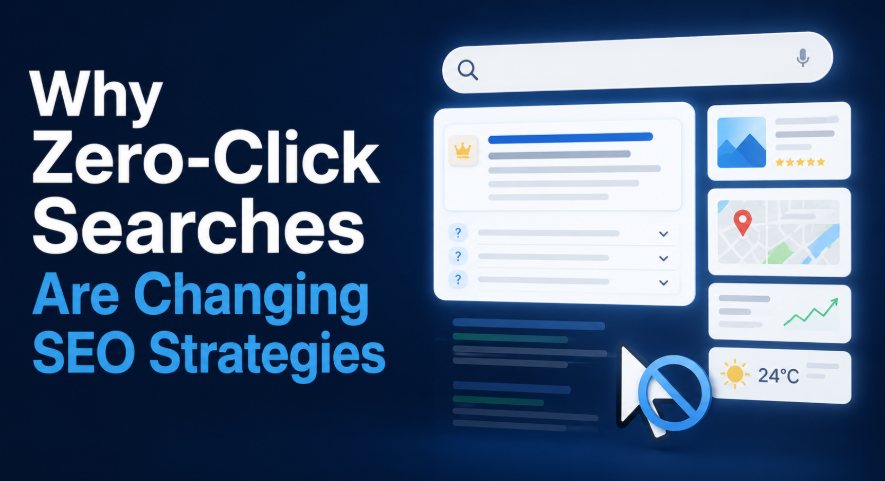
Search engines are becoming more sophisticated in the way they deliver information. Instead of simply displaying a list of links, they increasingly provide direct answers within the search results themselves. Whether through featured snippets, knowledge panels, local business listings, AI-generated summaries, or “People Also Ask” sections, users can often find the information they need without visiting another website.
These interactions are known as zero-click searches.
The rise of zero-click searches is transforming the way people consume information online and forcing businesses to rethink their SEO strategies. Success is no longer measured solely by the number of clicks a website receives. Instead, visibility, authority, and discoverability within search results have become equally important.
In this guide, we’ll explore what zero-click searches are, why they are becoming more common, how they affect SEO, and what businesses can do to remain competitive in an evolving search landscape.
What Are Zero-Click Searches?
A zero-click search occurs when a user receives the information they need directly on the search results page without clicking through to a website.
Rather than navigating to another page, the search engine presents the answer immediately, allowing users to complete their search without leaving the results.
Common examples of zero-click searches include:
- Featured snippets
- AI-generated search summaries
- Knowledge panels
- Local business listings
- Weather forecasts
- Sports scores
- Currency conversions
- Definitions
- Flight information
- “People Also Ask” results
In many cases, these features improve the user experience by providing quick and convenient answers.
However, they also reduce the number of opportunities for websites to receive traditional organic clicks.
Characteristics of Zero-Click Searches
Zero-click searches typically:
- Answer simple questions immediately
- Provide information directly within search results
- Reduce the need to visit another website
- Improve search convenience for users
- Change how businesses measure SEO success
The goal of modern SEO is no longer just to rank it is to remain visible wherever users consume information.
Why Search Behavior Is Changing
The way people search online has evolved significantly over the past decade.
Users increasingly expect instant answers.
Instead of browsing multiple websites to compare information, they often want quick, accurate responses delivered immediately.
This shift has been driven by several factors.
Faster Access to Information
Search engines have become better at understanding user intent and presenting concise answers.
Whether someone wants today’s weather, the definition of a term, or the answer to a factual question, they can often find it without opening another webpage.
Growth of Mobile Search
Mobile users frequently search while commuting, shopping, traveling, or completing daily tasks.
Quick answers are often more convenient than reading a lengthy article.
Search engines have adapted by presenting essential information directly within the results page.
The Rise of AI-Powered Search
Artificial intelligence is changing how search engines interpret and summarize information.
Rather than displaying only links, AI systems increasingly organize information into comprehensive summaries that help users understand a topic before deciding whether they need additional details.
As AI-powered search continues to develop, zero-click experiences are expected to become even more common.
How Zero-Click Searches Are Changing SEO
The rise of zero-click searches does not mean SEO is becoming less important.
Instead, it means SEO is evolving.
Businesses can no longer focus exclusively on driving website traffic.
They must also optimize for visibility within search experiences themselves.
Rankings Alone Are No Longer Enough
A webpage may rank first for a keyword but still receive fewer clicks if the search engine displays the complete answer above the traditional organic results.
This means ranking highly is still valuable, but attracting attention now depends on how content appears within the search experience.
Visibility Has Become a Competitive Advantage
Even when users do not click immediately, appearing within featured snippets, knowledge panels, or AI-generated summaries helps increase brand recognition.
Repeated visibility builds familiarity.
Over time, this familiarity can influence future purchase decisions, brand recall, and customer trust.
SEO Is Expanding Beyond Website Traffic
Traditional SEO metrics focused heavily on:
- Organic sessions
- Click-through rates
- Keyword rankings
Modern SEO also considers:
- Search visibility
- Brand mentions
- Featured snippet appearances
- AI citation opportunities
- Local search presence
- Overall discoverability
Success increasingly depends on how often a brand is seen not only how often it is clicked.
Why Brand Authority Matters More Than Ever
As zero-click searches become more common, authority becomes a major competitive advantage.
Search engines aim to present information from trustworthy and credible sources.
Businesses that consistently publish valuable, well-structured, and accurate content are more likely to become reliable sources for search features.
How Brand Authority Supports SEO
Authoritative brands often benefit from:
- Higher content credibility
- Better search visibility
- Increased user trust
- More branded searches
- Greater long-term recognition
Authority is built gradually.
Each helpful article, guide, or resource strengthens the overall reputation of the website.
Over time, this reputation can improve visibility across many different search experiences.
Content Must Answer Questions Clearly
One of the biggest changes in modern SEO is the importance of directly answering user questions.
Many zero-click features rely on content that provides concise and well-structured answers.
Instead of writing lengthy introductions before addressing the topic, businesses should prioritize clarity.
Characteristics of Zero-Click Friendly Content
Effective content often:
- Answers questions immediately
- Uses descriptive headings
- Includes concise explanations
- Organizes information logically
- Uses bullet points where appropriate
- Covers topics comprehensively
Clear structure helps both users and search engines understand the content more effectively.
It also increases the likelihood of appearing in search features that summarize information.
Search Intent Is More Important Than Keywords Alone
Keyword optimization remains important.
However, understanding why someone is searching has become even more valuable.
Every search has an underlying purpose.
A user may be trying to:
- Learn something
- Compare products
- Solve a problem
- Find a business
- Make a purchase
Content that addresses these needs directly is more likely to satisfy both users and search engines.
Understanding Search Intent
Businesses should ask:
- What information is the user looking for?
- What problem are they trying to solve?
- How detailed should the answer be?
- What additional questions might they have?
Creating content around user intent helps improve both discoverability and long-term relevance.
SEO Success Is Becoming More Than Clicks
Website traffic remains important.
However, clicks alone no longer tell the complete story.
A user may discover a brand through a featured snippet today.
Later, they may search specifically for that brand.
Eventually, they may visit the website when they are ready to make a decision.
This means visibility throughout the customer journey matters.
Modern SEO Success Includes
- Strong search visibility
- Brand recognition
- Featured search appearances
- High-quality content
- User trust
- Helpful information
- Long-term discoverability
Businesses should measure SEO as part of a broader digital presence rather than focusing exclusively on immediate traffic.
How Businesses Can Adapt Their SEO Strategies
The changing search landscape requires businesses to rethink how they create and optimize content.
Rather than chasing rankings alone, they should focus on becoming the best source of information for their audience.
Create Helpful, Comprehensive Content
Content should solve real problems and answer genuine questions.
Every article should aim to provide value rather than simply target keywords.
Helpful content is more likely to earn visibility across different search experiences.
Structure Content for Search Features
Use:
- Clear H1 and H2 headings
- Question-based subheadings
- Short paragraphs
- Bullet points
- Numbered lists where appropriate
- Direct answers
Well-structured content is easier for both readers and search engines to interpret.
Strengthen Topical Authority
Instead of publishing unrelated articles, build clusters of content around your areas of expertise.
Cover related topics in depth.
Link related articles together.
Over time, this creates a stronger knowledge base that supports authority.
Focus on Brand Recognition
As zero-click searches increase, being recognized becomes increasingly valuable.
Maintain:
- Consistent branding
- Helpful content
- Reliable information
- Regular publishing
- Clear messaging
Visibility today can influence customer decisions tomorrow.
Continue Monitoring SEO Performance
Traditional SEO metrics should be combined with broader indicators.
Track:
- Organic visibility
- Keyword performance
- Featured snippets
- Search impressions
- Branded searches
- User engagement
These metrics provide a more complete understanding of SEO performance in the era of zero-click searches.
The Future of Zero-Click Searches
Zero-click searches are likely to become an even larger part of the digital landscape.
Advances in artificial intelligence, natural language processing, and conversational search are changing how information is presented to users.
Instead of acting only as directories of websites, search engines are becoming information platforms that deliver answers immediately.
This does not eliminate the importance of websites.
Instead, it raises the importance of creating authoritative, trustworthy, and well-structured content that search engines can confidently reference.
Businesses that adapt early will be better positioned to remain visible as search continues to evolve.
Final Thoughts
The rise of zero-click searches represents one of the biggest shifts in modern SEO.
Traditional strategies focused primarily on generating clicks.
Today’s search environment requires businesses to think more broadly about visibility, authority, and discoverability.
Success is no longer defined solely by how many users visit a website.
It also depends on how often a brand appears where people are searching for information.
Businesses that create clear, trustworthy, and user-focused content will be better positioned to thrive in this new landscape.
Rather than viewing zero-click searches as a threat, marketers should see them as an opportunity to build recognition, strengthen authority, and connect with audiences at every stage of the search journey.
At Upswing, we believe that modern SEO is about more than driving clicks—it is about building visibility and authority across the entire search journey. Upswing helps businesses adapt to evolving search behaviour by creating strategies that strengthen brand recognition, trust, and long-term digital growth.