

How Social Media Algorithms Work in 2026?
Social media is constantly changing, and in 2026 it is smarter and faster than ever before. Platforms now use advanced Artificial intelligence to decide what users see, rather than simply showing posts from accounts they follow. These systems can predict user interests even before users actively search for them.
Because of this shift, understanding social media algorithms in 2026 is essential for brands, creators, and marketers. Without this knowledge, reaching the right audience has become extremely difficult. This blog explains how modern algorithms work, which signals matter most, and how you can adapt your content to stay visible and relevant.
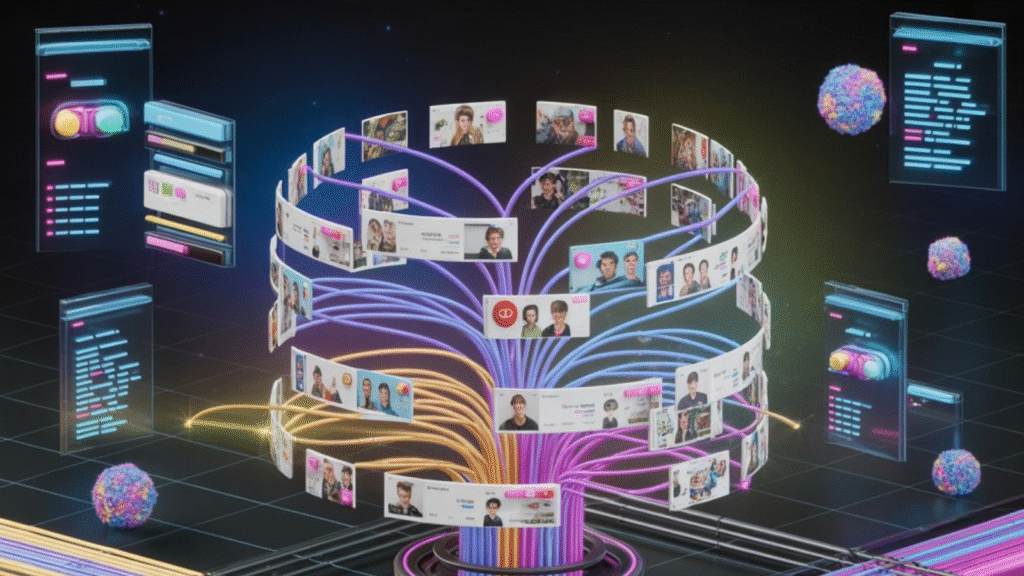
What Is a Social Media Algorithm?
A social media algorithm is a system that decides which posts appear on a user’s feed, explore page, reels section, or recommendations tab. It uses machine learning to analyze user behavior and content performance.
Unlike earlier chronological feeds, today’s algorithms are intent‑based and highly personalized. In 2026, algorithms do not just respond to actions, they predict preferences by studying millions of small behavior signals in real time.
The Evolution of Algorithms: From 2020 to 2026
In the past, algorithms mainly focused on likes, comments, and shares. Around 2023, watch time, saves, and engagement depth became more important.
By 2026, platforms prioritize user intent prediction, Artificial intelligence‑based content quality scoring, emotional response tracking, and even cross‑platform behavior. As a result, social media algorithms in 2026 are far more intelligent and selective than before.
How Social Media Algorithms Work in 2026
1. AI‑Driven Personalization at Scale
Artificial intelligence is the foundation of modern social media platforms. Instagram, YouTube, LinkedIn, and X all use Artificial intelligence models to create a unique feed for every user.
Instead of asking if a post is popular, algorithms ask whether a specific user will find it useful or interesting. This is why two users following the same accounts can still see very different content.
2. Behavioral Signals Matter More Than Ever
In 2026, algorithms closely monitor both active and passive engagement. This includes how long users watch a video, whether they pause or replay it, and how quickly they scroll.
Signals such as saves, shares, and profile visits are often more valuable than likes. Social media algorithms in 2026 reward content that keeps users engaged for longer periods of time.
3. Content Quality Scoring
Before content reaches a wider audience, platforms evaluate its quality using Artificial intelligence. This includes checking visual clarity, audio quality, captions, and originality.
Content that provides clear value such as education, entertainment, or inspiration performs better. Low‑effort or repetitive content is less likely to get strong distribution.
4. Authenticity and Trust Signals
Trust plays a major role in algorithm decisions. Fake engagement, misleading captions, and clickbait hooks are heavily penalized.
Algorithms look at account consistency, audience interaction patterns, report rates, and overall credibility. In social media algorithms in 2026, authentic accounts with genuine communities receive better reach.
5. Niche Relevance Over Virality
Virality is no longer the main goal. Instead, algorithms focus on showing content to people who are genuinely interested in that topic.
For example, a skincare post is shown to users who engage with skincare content, while a dental clinic post reaches people researching oral health. This helps brands attract the right audience instead of chasing high but meaningless numbers.
How Algorithms Work on Each Platform
Instagram & Facebook (Meta)
Meta platforms prioritize reel watch time, saves, shares, and direct message interactions. Short‑form video remains the strongest format for discovery.
Static posts still matter, but reels dominate reach and engagement.
YouTube
YouTube focuses on session watch time, viewer satisfaction, and long‑term engagement. Shorts help with discovery, while long‑form videos build authority.
LinkedIn favors meaningful comments, professional relevance, and dwell time. Educational and experience‑based content performs best on the platform.
How Brands and Creators Should Adapt
To succeed with social media algorithms in 2026, quality and strategy matter more than posting frequently. Creating content with a clear purpose is key.
Focus on strong hooks, storytelling, and delivering value within the first few seconds. Encourage saves and shares rather than chasing likes.
Staying consistent within one niche helps algorithms understand your content better. Human‑focused posts, behind‑the‑scenes content, and real experiences build trust and long‑term engagement.
The Future of Social Media Algorithms
In the coming years, algorithms are expected to use voice search data, AR and VR interactions, and deeper emotional analysis.
Ethical practices and transparency may also influence content visibility. One thing is certain social media algorithms in 2026 reward relevance, authenticity, and real value over shortcuts.
Conclusion
Understanding how social media algorithms work in 2026 gives brands and creators a strong competitive advantage. Success now depends on trust, meaningful content, and alignment with user intent.
Algorithms are no longer barriers but guidance systems. When you create valuable and consistent content for the right audience, visibility and growth follow naturally.
Why Ad Creative Matters More Than Targeting
For years, digital advertising success was largely attributed to precise targeting. Marketers focuse
The Best Lead Generation Strategies for Small Businesses
When we start a small business, the venture feels thrilling, yet one issue hits: the struggle starts

Anatomy of Viral Videos: What Causes Social Media Content to Go Viral?
Knowing what causes content to go viral is essential for creators and marketers in the fast-paced wo
Leave a Reply