

The Difference Between Marketing That Interrupts and Marketing That Connects
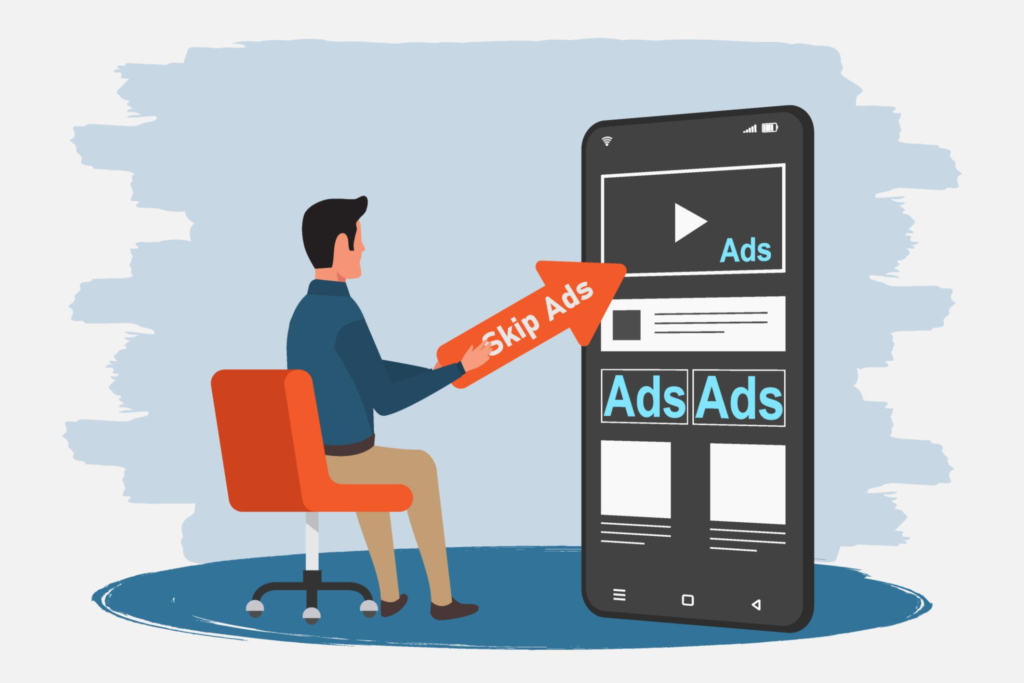
Every day, consumers are exposed to thousands of marketing messages. Ads appear before videos, pop-ups interrupt browsing sessions, promotional emails fill inboxes, and sponsored content competes for attention across every platform. As a result, audiences have become experts at filtering out messages that feel irrelevant or intrusive.
This shift has created a major challenge for marketers.
Simply getting in front of people is no longer enough.
The brands creating the strongest impact today are not necessarily the ones shouting the loudest. They are the ones creating experiences, content, and conversations that audiences genuinely want to engage with.
This is the difference between marketing that interrupts and marketing that connects.
One demands attention.
The other earns it.
And in 2026, that distinction is becoming more important than ever.
Why Traditional Interruption Marketing Is Losing Effectiveness
For decades, marketing was built around interruption.
Brands purchased television commercials, radio spots, newspaper placements, banner ads, and other forms of advertising designed to interrupt what people were already doing.
The goal was simple:
Get attention first and communicate the message quickly.
While this approach worked well when consumers had fewer choices, today’s digital landscape is very different.
Modern audiences can:
- Skip ads
- Block ads
- Mute ads
- Ignore ads
- Scroll past content instantly
Consumers now have more control over what they engage with than ever before.
As a result, interruption alone is no longer enough to create meaningful connections.
What Is Marketing That Interrupts?
Marketing that interrupts focuses primarily on capturing attention by inserting a message into someone’s experience, often regardless of whether they were actively seeking it.
Examples include:
- Pop-up advertisements
- Autoplay video ads
- Cold outreach messages
- Excessive promotional emails
- Aggressive retargeting campaigns
- Intrusive banner advertising
This type of marketing is not inherently bad.
In fact, many successful brands still use interruption-based tactics effectively.
The problem arises when interruption becomes the entire strategy.
When audiences feel constantly sold to, engagement often decreases and trust becomes harder to build.
The Modern Consumer Has Changed
Consumers today are more informed and empowered than ever before.
Before making decisions, people often:
- Research independently
- Read reviews
- Watch videos
- Compare options
- Seek recommendations
They no longer rely solely on brand messaging.
Instead, consumers actively seek information when they are ready.
This shift means businesses must move beyond simply pushing messages and begin creating value that attracts attention naturally.
What Is Marketing That Connects?
Marketing that connects focuses on building relationships rather than simply generating impressions.
Instead of interrupting audiences, it creates experiences that people willingly engage with because they provide value.
This type of marketing often includes:
- Educational content
- Helpful blogs
- Storytelling
- Community building
- User-generated content
- Personalized experiences
- Thought leadership
- Interactive engagement
The objective is not just visibility.
The objective is relevance.
Brands that connect understand that attention is earned through value, trust, and understanding.
1. Marketing That Connects Starts With Understanding People
The strongest marketing campaigns begin with empathy.
Rather than asking:
“What do we want to say?”
Successful brands ask:
“What does our audience need?”
This shift changes everything.
Marketing becomes less about promotion and more about solving problems, answering questions, and providing useful experiences.
When audiences feel understood, engagement becomes much more natural.
2. It Focuses on Value Before Promotion
One of the biggest differences between interruption and connection is the order of priorities.
Interruptive marketing often leads with the sale.
Connected marketing often leads with value.
Brands that educate, entertain, inspire, or help audiences build stronger relationships over time because they consistently contribute something meaningful.
This approach builds trust long before a purchase decision occurs.
3. Storytelling Creates Emotional Engagement
People remember stories far more than sales messages.
Marketing that connects often relies on storytelling because stories create emotional resonance.
Whether it’s:
- Customer success stories
- Founder journeys
- Brand missions
- Behind-the-scenes experiences
Stories help audiences connect on a human level.
Emotional engagement creates stronger recall, deeper trust, and more meaningful brand relationships.
4. Community Is Becoming More Important Than Reach
For many years, marketing success was measured primarily through reach.
Today, many brands are focusing on something more valuable: community.
Communities create:
- Loyalty
- Engagement
- Advocacy
- Feedback
- Long-term relationships
People want to feel connected to brands, creators, and organizations that align with their interests and values.
This is why communities often outperform audiences when it comes to long-term growth.
5. Personalization Strengthens Connection
Consumers increasingly expect experiences that feel relevant to them.
Marketing that connects uses personalization to create more meaningful interactions.
This may include:
- Personalized recommendations
- Relevant content
- Behavioral targeting
- Customer-specific messaging
When people feel a brand understands their needs, the relationship becomes stronger.
Personalization helps marketing feel helpful instead of intrusive.
6. Trust Is Becoming the Most Valuable Marketing Asset
Attention may create awareness, but trust drives action.
Consumers are becoming more selective about which brands they support.
They look for:
- Authenticity
- Transparency
- Consistency
- Credibility
Brands that consistently deliver value and maintain trust create stronger customer relationships than brands relying solely on promotional tactics.
Trust compounds over time.
And once established, it becomes one of the most powerful drivers of business growth.
Why the Best Marketing Strategies Use Both Approaches
It is important to understand that interruption marketing and connection marketing are not necessarily opposites.
In many cases, the most effective brands combine both.
For example:
- Paid advertising may create awareness.
- Valuable content may build trust.
- Retargeting may re-engage visitors.
- Community engagement may strengthen loyalty.
The key difference is balance.
Interruption may help brands get noticed.
Connection helps brands get remembered.
And remembered brands often outperform visible brands in the long run.
The Future of Marketing Is Relationship-Driven
As technology evolves and consumers gain more control over their digital experiences, marketing is becoming increasingly relationship-focused.
Brands that succeed in the future will be those that:
- Understand their audiences deeply
- Deliver genuine value
- Create meaningful experiences
- Build communities
- Earn trust consistently
The goal is no longer simply reaching people.
The goal is creating connections that last.
Final Thoughts & Conclusion
Marketing has always been about attracting attention.
But in today’s digital environment, attention alone is not enough.
Consumers are surrounded by messages competing for their time every day. The brands that stand out are not simply the ones interrupting audiences more effectively—they are the ones creating experiences people genuinely want to engage with.
Marketing that interrupts may generate visibility.
Marketing that connects builds trust.
And trust leads to stronger relationships, deeper loyalty, better customer experiences, and sustainable growth.
At Upswing Digital, we believe the future belongs to brands that focus on meaningful engagement rather than constant interruption. By helping businesses create audience-first strategies, Upswing Digital enables brands to build connections that drive long-term growth instead of short-term attention.
As businesses look toward the future, the question is no longer:
“How do we get people’s attention?”
The better question is:
“How do we create something worth paying attention to?”
Because the brands that connect will always outperform the brands that only interrupt.
Leave a Reply