

Brand Awareness vs Brand Preference: 7 Powerful Differences
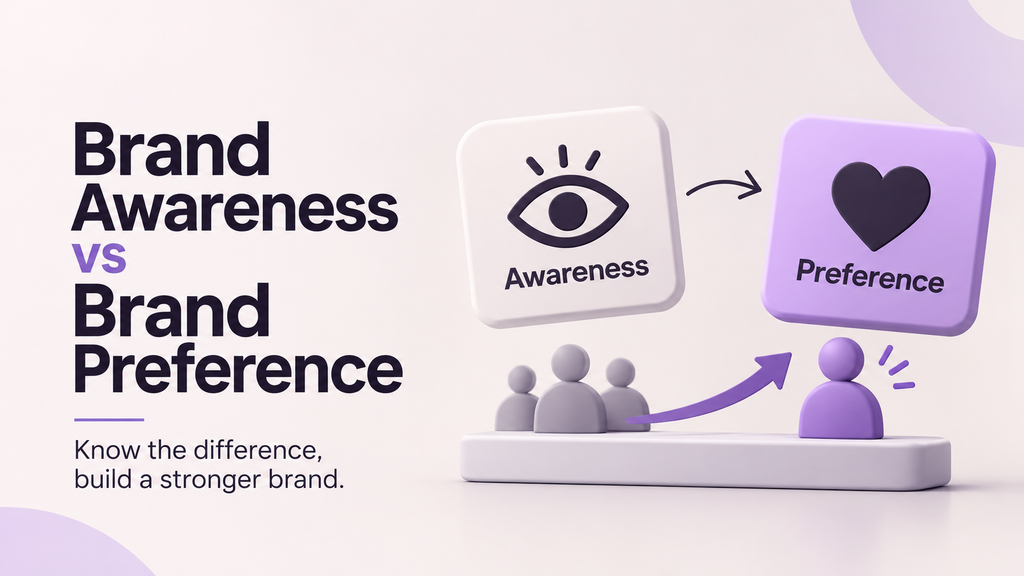
In today’s competitive business environment, getting noticed is important, but getting chosen is what truly matters. This is where understanding Brand Awareness vs Brand Preference becomes essential for businesses looking to build a strong market presence.
Think about it. You might recognise several clothing brands, restaurants, mobile phone companies or local businesses. But when it comes to making a purchase, you probably have only a few favourites.
That is the difference between knowing a brand and actually preferring it.
For businesses in Kochi and across Kerala, this distinction is particularly important. With customers discovering brands through Instagram, Google, advertisements and recommendations, simply appearing in front of people is no longer enough. Businesses need to create a reason for customers to choose them.
Let’s understand the difference and explore how a well-planned marketing strategy can help your business move from being recognised to being preferred.
What Is Brand Awareness?
Brand awareness refers to how familiar people are with your business, products or services. It measures whether potential customers recognise your brand, remember its name or know what you offer.
For example, imagine someone scrolling through Instagram and repeatedly coming across your business posts. They might recognise your logo, remember your brand name or recall one of your advertisements.
Even if they haven’t purchased anything from you, they are becoming familiar with your business.
That is brand awareness.
Some common ways businesses build brand awareness include:
- Consistent social media posts and reels.
- Online advertising and promotional campaigns.
- Search engine optimisation (SEO).
- Influencer marketing and collaborations.
- Informative blogs and valuable content.
- Brand storytelling and creative campaigns.
For a growing business in Kerala, brand awareness helps introduce your products and services to potential customers who may not have heard about you before.
What Is Brand Preference?
Brand preference goes one step further. It refers to a customer’s tendency to choose one brand over its competitors when making a purchase decision.
Let’s take a simple example.
Imagine you are looking for a digital marketing agency in Kochi. You come across several agencies through Google searches and Instagram advertisements. You recognise their names, visit their websites and compare their services.
However, you eventually choose one agency because you trust its work, appreciate its communication and believe it understands your business requirements.
That preference is built through the brand’s reputation, experience, positioning and the value it communicates.
Brand preference develops through factors such as:
- Consistent product or service quality.
- Positive customer experiences.
- Trust and credibility.
- Clear brand positioning.
- Relevant communication.
- Strong customer relationships.
In simple terms, brand awareness makes people recognise your business, while brand preference gives them a reason to choose it.
Brand Awareness vs Brand Preference: 7 Key Differences
Although these two concepts are closely connected, they serve different purposes in a marketing strategy.
1. Recognition vs Choice
Brand awareness focuses on recognition. It helps customers identify your business when they come across your brand name, logo, products or advertisements.
Brand preference focuses on choice. It influences whether customers select your business instead of considering another competitor.
2. Visibility vs Trust
Awareness is largely about making your business visible to the right audience.
Preference is about building enough trust and confidence for customers to consider your brand a reliable option.
3. Reach vs Customer Relationships
Brand awareness campaigns often focus on reaching more people and introducing the brand to new audiences.
Brand preference requires meaningful communication, customer engagement and positive experiences that encourage people to build a relationship with your business.
4. First Impression vs Long-Term Impression
Awareness creates the first impression. It introduces your brand to potential customers.
Preference develops over time through consistent quality, communication and experiences that customers associate with your business.
5. Exposure vs Purchase Intention
A person might see your advertisement several times without making a purchase.
However, when they begin considering your brand over other available options, it indicates that preference may be developing.
6. Marketing Reach vs Brand Positioning
Brand awareness strategies help increase your visibility across different marketing channels.
Brand preference depends heavily on how your business is positioned in the customer’s mind and what makes your offering relevant compared to competitors.
7. Measuring Success
Brand awareness can be measured through:
- Social media reach and impressions.
- Brand mentions and searches.
- Website traffic.
- Audience growth.
- Brand recognition surveys.
Brand preference can be evaluated through:
- Customer preference surveys.
- Purchase intention.
- Repeat purchase behaviour.
- Customer retention.
- Brand consideration compared to competitors.
Both sets of measurements provide useful insights into how people discover, perceive and choose your business.
Why Do Businesses Need Both?
Focusing only on brand awareness can create visibility without necessarily generating customer preference.
Similarly, having a good product or service is not enough if potential customers don’t know your business exists.
Businesses need both to develop a strong and sustainable brand.
Consider a new restaurant in Kochi. Initially, the business needs to introduce itself to people in the surrounding areas through social media, Google visibility, creative content and local advertising.
This helps generate awareness.
But what happens next?
Customers need reasons to visit the restaurant again. Food quality, customer service, ambience, pricing and overall experience influence whether they prefer that restaurant over other options.
The same principle applies to salons, retail stores, healthcare providers, educational institutions and service-based businesses.
A successful marketing strategy should therefore focus on attracting attention while also creating meaningful reasons for customers to stay connected with the brand.
How Social Media Marketing Builds Brand Awareness and Preference
Social media has become an important platform for businesses to introduce themselves, communicate with customers and build their brand identity.
However, simply posting regularly does not guarantee strong brand positioning.
The content needs to communicate something meaningful.
Here are some ways social media marketing can support both objectives.
Consistent Brand Communication
Using a consistent visual identity, tone of voice and messaging helps customers recognise your business across different platforms.
Educational and Informative Content
Sharing useful information, tips and industry insights positions your business as a knowledgeable and relevant choice.
Customer Testimonials and Experiences
Real customer experiences help build credibility. They give potential customers a better understanding of what they can expect from your business.
Creative Campaigns
Well-planned campaigns can introduce your business to new audiences while communicating what makes your brand different.
Audience Engagement
Responding to comments, answering questions and communicating with followers helps create a stronger connection between your business and its audience.
For businesses looking to grow online, a combination of content strategy, creative execution and performance marketing can make a meaningful difference.
How to Improve Your Brand Positioning
Brand positioning is about creating a clear identity in the minds of your target customers.
When people think about a particular product or service, what should they associate with your business?
That is an important question every business should consider.
Here are a few practical ways to strengthen your positioning:
Identify Your Unique Value
Understand what makes your business different. It could be your service quality, expertise, pricing, customer experience or a particular product offering.
Understand Your Target Audience
Identify your ideal customers, their preferences, challenges and expectations. A marketing message that connects with the right audience is more effective than one trying to reach everyone.
Maintain Consistent Messaging
Your website, social media platforms, advertisements and other communication channels should reflect the same brand identity.
Focus on Customer Experience
Your brand is not defined only by what you say about your business. It is also shaped by what customers experience when interacting with you.
Track and Improve Your Marketing Strategy
Regularly review campaign performance, audience engagement, customer feedback and brand-related searches. Use these insights to improve your communication and positioning.
For businesses in Kochi and other parts of Kerala, understanding the local audience and communicating in a way that connects with them can also strengthen brand positioning.
Common Branding Mistakes to Avoid
Even businesses investing in digital marketing sometimes struggle to build a strong brand because of a few common mistakes.
Here are some things to avoid:
- Focusing only on likes, views and follower counts.
- Posting content without a clear marketing strategy.
- Frequently changing brand messaging and visual identity.
- Copying competitors instead of developing a unique identity.
- Ignoring customer feedback and engagement.
- Running advertisements without understanding the target audience.
- Focusing on visibility without building trust.
Remember, a successful brand is not necessarily the one that gets the most attention. It is the one that creates a meaningful impression and gives customers a reason to return.
Final Thoughts
Understanding Brand Awareness vs Brand Preference helps businesses look beyond visibility and focus on building lasting customer relationships.
Brand awareness introduces your business to potential customers. Brand preference helps your business become one of their choices.
Both are important parts of a strong marketing strategy, and neither should be treated as a replacement for the other.
Whether you are a startup, a growing local business or an established company, investing in consistent brand communication, meaningful content and effective brand positioning can help you build a stronger market presence.
At Upswing Digital, we believe that effective digital marketing is about more than just getting your business noticed. It is about communicating your brand’s value and creating meaningful connections with the right audience.

Social Media Marketing in Kochi: Why Posting Every Day Isn’t Growing Your Business
You post on Instagram and Facebook regularly. The designs look good, the captions are written, and t

Content Creation Tips for E-commerce Brands in Dubai
E-commerce companies must go beyond traditional selling and concentrate on producing valuable, capti

Google Search Ads vs YouTube Ads: Which Is Better for Your Business?
Digital advertising gives businesses more ways than ever to reach potential customers. YouTube Ads a
Leave a Reply