
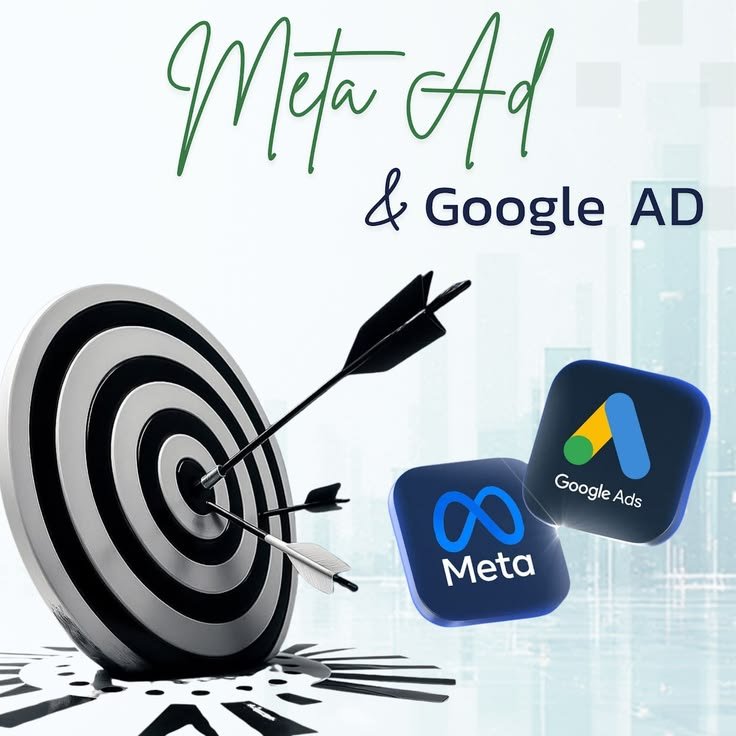
Google Ads vs Meta Ads: Which Is Right for Your Business?
Every month, businesses across Kochi and Kerala put money into ads and ask the same question: “Is this actually working?”
The problem is rarely the budget. It’s usually the strategy. Many brands boost a few posts, see likes and reach go up, and still can’t say how many leads or sales the spend brought in.
That’s where performance marketing comes in. It’s paid advertising judged by results (leads, sales and revenue), not by impressions. And one of the first decisions you’ll face is where to run your ads: Google Ads or Meta Ads?
What Is Performance Marketing?
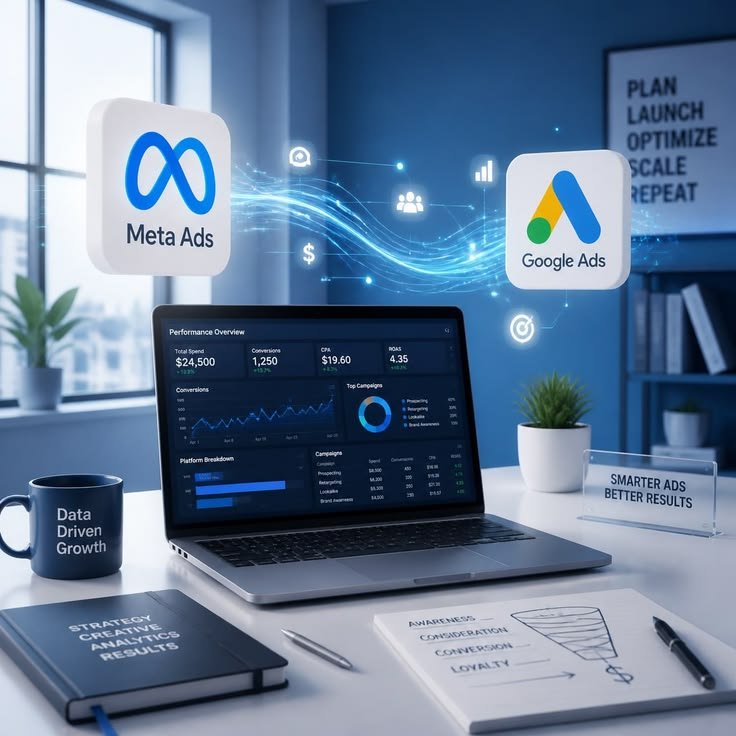
Performance marketing is a data-driven approach focused on measurable outcomes. Every rupee is tracked from click to lead to sale, so you know your cost per lead (CPL), cost per acquisition (CPA) and return on ad spend (ROAS).
It’s different from general digital marketing, which covers SEO, social media, content and email. Performance marketing is the part where you pay for a specific result and judge every campaign by its cost per result.
Google Ads: Capture Existing Demand
Google Ads shows your ad to people who are actively searching for what you offer. Someone typing “performance marketing agency in Kochi” or “best dental clinic near me” already has intent. They’re comparing options and ready to act.
Why it works:
- Reaches people in the middle of a decision
- Strong conversion intent, which often means a lower cost per qualified lead
- Flexible formats: Search, Display, Shopping and YouTube
Best for: immediate lead generation, service businesses, clinics, real estate, and high-intent buyers.
Meta Ads: Create New Demand
Meta Ads (Facebook and Instagram) places your brand in front of people while they scroll. They aren’t searching for you, but a good ad can introduce them to something they hadn’t considered.
Why it works:
- Powerful targeting by interests, behaviour and lookalike audiences
- Visual formats like Reels, Stories and carousels
- Lower cost per click, though results can take longer to build
Best for: brand awareness, eCommerce and D2C, new product launches, and building an audience.
So, Which One Has the Better ROI?
There’s no universal winner. The right answer depends on your goal:
| Your goal | Start with |
| Immediate leads or enquiries | Google Search |
| Brand awareness and discovery | Meta Ads |
| eCommerce impulse purchases | Meta Ads + Retargeting |
| High-ticket B2B with a long sales cycle | Google Search + LinkedIn |
In most cases, the best-performing strategy isn’t Google or Meta. It’s both working together. Meta introduces your brand and builds familiarity. Google captures the search demand that follows. Retargeting then brings back visitors who didn’t convert the first time, and it’s often where the highest ROI sits in any account.
5 Mistakes That Quietly Waste Your Ad Budget
- Boosting posts instead of building campaigns. Boosted posts have little targeting strategy, testing or optimisation behind them.
- No conversion tracking. If you can’t see which click became a lead, you can’t improve anything.
- Judging success by likes and reach. These don’t pay bills. CPL, CPA and ROAS do.
- Sending traffic to a weak landing page. Good ads can’t fix a slow or confusing page. Conversion rate optimisation matters as much as the ad itself.
- Set-and-forget management. Ad auctions change constantly. Campaigns need regular testing and budget shifts toward what’s working.
What a Proper Performance Marketing Process Looks Like
A disciplined process separates campaigns that scale from budgets that vanish:
- Goals and audience research: define what success means (leads, sales, ROAS) and study your audience and competitors.
- Strategy and account setup: build a clean campaign structure with the right targeting, bidding and conversion tracking from day one.
- Creative and landing pages: ad creatives and conversion-focused pages matched to each platform.
- Launch and A/B testing: test audiences, creatives, copy and bids, and let data decide.
- Optimise and scale: double down on winners, cut losers and reallocate budget weekly.
- Report and review: clear reports on CPL, CPA, ROAS and revenue, with no jargon.
Don’t Stop at the Click
Ads bring people in, but what happens next decides your return. A strong setup connects the full journey:
- Landing pages built for conversions, supported by website development
- Instant follow-up through WhatsApp automation and CRM workflows, so no lead goes cold
- Creative that stops the scroll, backed by social media marketing
- Local visibility for service businesses through Google Business Profile and local SEO
How Much Should You Spend?
There’s no fixed number. It depends on your goals, industry, competition and margins. The smarter approach is to start with a budget based on your target cost per lead, then scale up what works and cut what doesn’t. You should always own your ad accounts and see exactly where every rupee goes.
Final Thoughts
Performance marketing isn’t about spending more. It’s about spending with accountability. Choose the right platform mix, track every result, test constantly and optimise every week.
If you’re running ads today and can’t say what they’re returning, that’s the place to start.
Ready to make every rupee work harder? Talk to Upswing Digital’s performance marketing team for a 30-minute consultation and a clear, data-led ad strategy.
Why SEO Is Essential for Startups and IT Companies in 2026
Search Engine Optimization (SEO) has become important to companies looking to expand online in an in

The Future of Influencer Marketing for Small and Medium Businesses
Influencer marketing has evolved from a trend into one of the most powerful digital marketing strate

Why Your Dubai Business Needs a Local SEO Expert
With thousands of businesses from many industries competing for online attention, Dubai is one of th
Leave a Reply