

Why Traditional Marketing Is Losing Impact
Marketing has always been about connecting brands with people. For decades, billboards, print ads, radio jingles, and TV commercials dominated the landscape. These channels shaped consumer behavior and built household names. But times have changed. Today, businesses are asking a critical question: Why is traditional marketing losing impact?
The answer lies in shifting consumer habits, digital disruption, and the demand for personalized experiences. Let’s break down the reasons behind this decline and explore how brands can adapt.
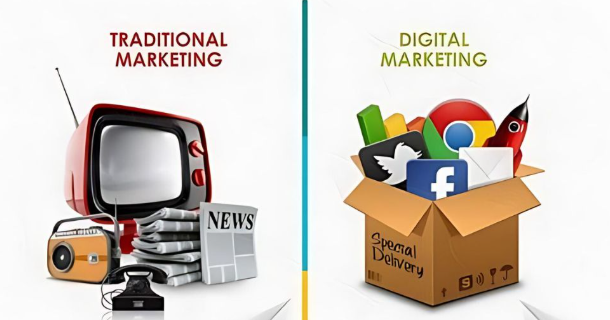
The Rise of Digital-First Consumers
Changing Media Consumption
Consumers no longer spend hours glued to television screens or flipping through newspapers. Instead, they scroll through social media feeds, watch YouTube tutorials, and binge content on streaming platforms. This shift means that traditional ads often fail to reach audiences where they actually spend their time.
On-Demand Culture
We live in an era of instant gratification. People choose what they want to watch, when they want to watch it. Streaming services and ad-blockers allow them to skip commercials entirely. This freedom has made traditional marketing losing impact compared to digital campaigns that integrate seamlessly into online experiences.
Why Traditional Marketing Struggles Today
Lack of Personalization
Traditional marketing is one-size-fits-all. A TV ad reaches millions, but it doesn’t speak to individual needs. Digital marketing, on the other hand, leverages data to deliver personalized messages. Consumers expect brands to know their preferences, and generic ads simply don’t resonate anymore.
Limited Tracking and ROI
Businesses want measurable results. Traditional campaigns often rely on estimates like how many people might have seen a billboard. Digital platforms provide precise analytics: impressions, clicks, conversions, and engagement. This transparency makes traditional marketing losing impact in boardroom discussions where ROI matters most.
High Costs, Lower Returns
Print ads, TV slots, and radio campaigns are expensive. Yet, their effectiveness is declining. Digital ads can be cheaper, more targeted, and scalable. For small businesses, investing in traditional channels often feels like throwing money into a black hole.
The Digital Disruption
Social Media Dominance
Platforms like Instagram, TikTok, and LinkedIn have become marketing powerhouses. They allow brands to interact directly with audiences, build communities, and create viral content. Compared to static billboards, these platforms offer dynamic engagement.
Search Engine Optimization (SEO)
Consumers actively search for solutions online. If your brand doesn’t appear in search results, you’re invisible. SEO ensures visibility at the exact moment of intent a level of precision traditional marketing can’t match.
Influencer Marketing
Trust is currency. Influencers build authentic connections with their followers. A recommendation from a trusted creator often carries more weight than a glossy magazine ad. This trend further explains why traditional marketing is losing impact in modern consumer journeys.
How Brands Can Adapt
Blend Traditional with Digital
Traditional marketing isn’t dead it’s evolving. A billboard can still work if paired with a QR code leading to a digital campaign. TV ads can drive viewers to social media contests. Integration is key.
Invest in Content Marketing
Blogs, videos, podcasts, and infographics provide value beyond promotion. They educate, entertain, and build long-term relationships. Upswing Digital emphasizes content strategies that humanize brands and keep audiences engaged.
Prioritize Data-Driven Decisions
Analytics should guide every campaign. Understanding consumer behavior, preferences, and pain points allows businesses to craft messages that resonate. This is where digital marketing outshines traditional methods.
The Future of Marketing
The decline of traditional marketing isn’t just about technology it’s about relevance. Consumers are empowered, informed, and selective. They choose brands that align with their values and deliver personalized experiences.
For businesses, the challenge is clear: adapt or risk irrelevance. By embracing digital strategies, leveraging data, and focusing on authentic engagement, brands can thrive in this new era.
Conclusion
So, why is traditional marketing losing impact? Because consumer behavior has shifted, digital platforms dominate attention, and personalization is now non-negotiable. While traditional methods still hold some value, they can no longer stand alone.
At Upswing Digital, we believe the future belongs to brands that embrace change, innovate boldly, and connect authentically. The marketing landscape is evolving and those who listen to their audiences, invest in meaningful connections, and stay agile will not just survive — they will thrive. The brands of the future are being built right now. Make sure yours is one of them.
AI Tools for Social Media: Helpful or Harmful?
Artificial Intelligence has rapidly become a powerful force in social media marketing. From auto-gen
The Rise of Community-Led Marketing: Why Audiences Want Belonging
People are tired of being sold to. They are scrolling past ads, skipping promotions, and ignoring co
What Makes Contents Go Viral?
Every brand dreams of the moment a piece of content takes off — the shares multiply, notifications
Leave a Reply