

Website Speed Optimisation: How It Affects Your SEO & Conversions
In the quick-paced online scene, site speed isn’t only about tech it shapes profits. If you’re running a shop, service page, or showcasing work, load times shape user opinions. Over at Upswing Digital, speedy sites beat sluggish ones across the board better rankings, more sales, stronger leads, plus greater confidence from customers thanks to effective website speed optimization.
Website visitors demand fast loading. Pages should snap open right away, pictures need sharp display while browsing clicks, scrolling or buying must flow without hiccups. When a site feels sluggish, people bounce off quickly; worse, Google picks up on it, which directly impacts SEO and conversion.
This blog explains why fast websites count, since slow loading hurts your search ranking also messes with sales numbers straight away.
Why Website Speed Optimisation Matters
A sluggish site won’t only annoy users drives them off instead. Research suggests this: A one-second wait might drop sales by nearly 7%, since speed matters when people browse. Over half folks bounce when pages need more than three seconds to show up. Google ranks sites based on how fast they load this matters for phones and computers alike and ties directly into website speed optimization.
Put simply, quick loading is now tied to how people see your brand. Because when pages open fast, users think of you as up-to-date, trustworthy, so competent all of which support better SEO and conversion.
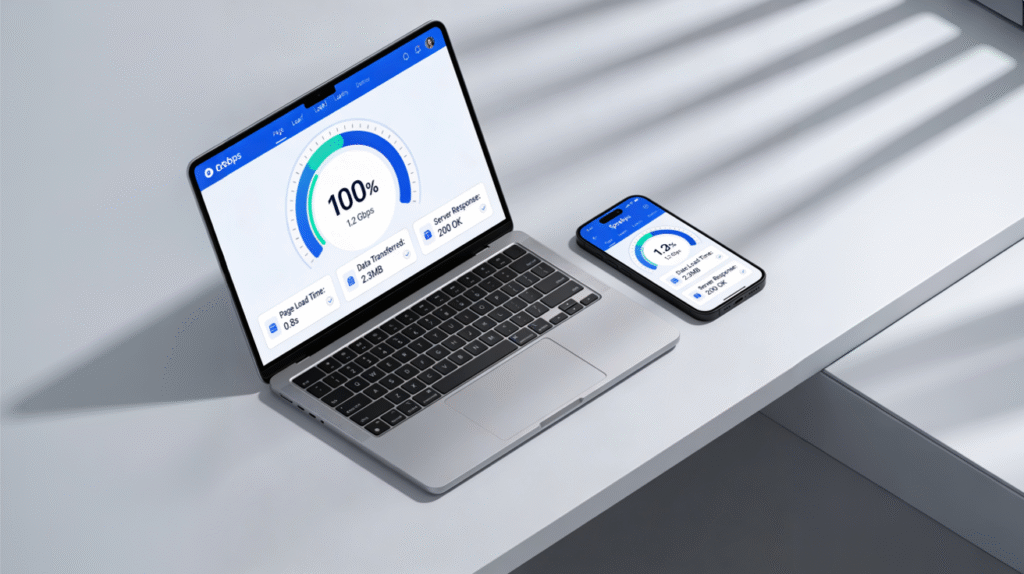
How Website Speed Affects Your SEO
Google’s ranking setup now focuses on how users feel when visiting a site so fast loading matters a lot. Slow sites hurt your search rankings because people leave quickly, which tells Google your page isn’t helpful and weakens overall SEO and conversion performance.
1. Higher Bounce Rates
If a webpage loads slowly, visitors leave right away. Since users exit fast, Google thinks the content isn’t helpful so your position drops.
2. Lower Crawl Efficiency
Search engines set limits on how much they crawl. When pages load slowly, they eat up server power so less gets scanned or stored online, hurting your reach.
3. Poor Core Web Vitals Scores
Google’s main website speed checks like how fast a page loads, reacts to clicks, or jumps around are now key for rankings. Folks tend to leave slow sites fast so they don’t show up well in searches, making website speed optimization even more essential.
4. Reduced Mobile Usability
Since lots of people use phones to surf, Google cares more about how quick sites are on mobile. When your pages take ages to open on a phone, your rank drops no matter how snappy they run on computers.
The Link Between Speed & Conversion Rates
Even when your SEO works well, a sluggish website might kill your sales. The reason? Slow loading pushes visitors away before they act, reducing overall SEO and conversion results.
1. Users Expect Instant Results
When folks pick a service, check details, or toss an item into their basket, everything should just flow. Clunky sites create hassle hassle kills sales.
2. Trust Drops When Websites Lag
Quick sites seem trustworthy because they respond right away. A snappy experience makes users relax, while delays cause second thoughts particularly when entering details or paying online.
3. Better Speed = Better Engagement
Faster sites keep people scrolling further, checking extra pages while doing more stuff. So you get way more chances for sales, sign-ups or messages popping up.
4. Faster Checkout = Higher Sales
Online stores need quick checkouts otherwise shoppers might leave without buying anything.
How Upswing Digital Optimises Website Speed
Over at Upswing Digital, our method’s built on real numbers that boost how well your site runs. This is what turns sluggish pages into speedier ones through focused website speed optimization:
1. Full Speed Audit
We check your Core Web Vitals along with hosting to spot issues dragging performance looking at code size, plugins, scripts, or slow images that might be causing delays.
2. Image & Media Optimisation
Big pictures? They’re why sites crawl. Swap them out squish size, shift formats, delay loading all while keeping things sharp.
3. Code Optimisation
Shrinking CSS, plus JS, along with HTML helps pages load way faster. Also, we ditch leftover code, old scripts, or clunky animations slowing things down.
4. Caching & CDN Setup
Browser caching works better when paired with CDNs both speed up content by using the visitor’s location, which is key for fast-loading sites.
5. Server & Hosting Improvements
We make sure your hosting runs fast faster replies, stronger connections, smoother server setups — all working together seamlessly.
6. Mobile Speed Enhancements
Most people show up on phones, so we tweak designs to fit screens better — also making taps easier while speeding up how pages load from the start.
Conclusion: Speed = Trust, Growth, and SEO Success
A speedy site isn’t just about tech it’s a real edge. Because it earns trust, makes browsing smoother, lifts visibility online, so sales go up.
When tons of companies compete online, a sluggish site can kill your chances at sales. Want higher search spots along with more customers? Then speeding up your pages isn’t just nice it’s necessary for stronger SEO and conversion.
With Upswing Digital, brands boost results while growing their reach. We make sites work harder so they start pulling in more sales. Visibility climbs as online impact expands through consistent website speed optimization.
If your site’s quick, things run smoother.
How Google My Business Boosts Local SEO Efforts
In today’s digital landscape, being visible online isn’t just important, it’s essential, espec
SEO for Small Businesses: What Works After Google’s Latest Updates
SEO for small businesses is constantly evolving, especially after Google’s latest algorithm update
Leave a Reply