
How Social Media Algorithms Work in 2026?

Social media is constantly changing, and in 2026 it is smarter and faster than ever before. Platforms now use advanced Artificial intelligence to decide what users see, rather than simply showing posts from accounts they follow. These systems can predict user interests even before users actively search for them.

Because of this shift, understanding social media algorithms in 2026 is essential for brands, creators, and marketers. Without this knowledge, reaching the right audience has become extremely difficult. This blog explains how modern algorithms work, which signals matter most, and how you can adapt your content to stay visible and relevant.
Social Media Algorithms

What Is a Social Media Algorithm?

A social media algorithm is a system that decides which posts appear on a user’s feed, explore page, reels section, or recommendations tab. It uses machine learning to analyze user behavior and content performance.

Unlike earlier chronological feeds, today’s algorithms are intent‑based and highly personalized. In 2026, algorithms do not just respond to actions, they predict preferences by studying millions of small behavior signals in real time.

The Evolution of Algorithms: From 2020 to 2026

In the past, algorithms mainly focused on likes, comments, and shares. Around 2023, watch time, saves, and engagement depth became more important.

By 2026, platforms prioritize user intent prediction, Artificial intelligence‑based content quality scoring, emotional response tracking, and even cross‑platform behavior. As a result, social media algorithms in 2026 are far more intelligent and selective than before.

How Social Media Algorithms Work in 2026

1. AI‑Driven Personalization at Scale

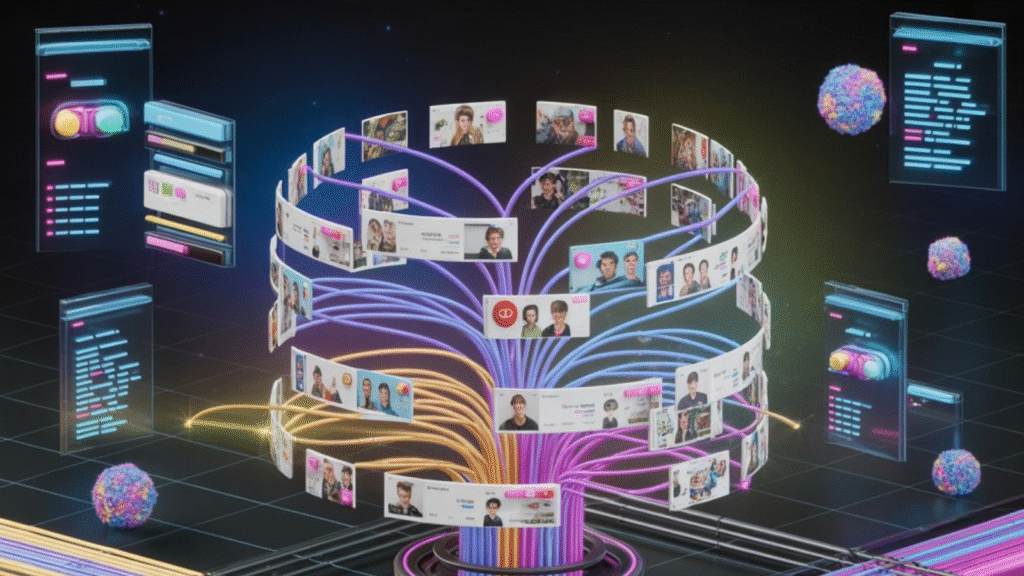
Artificial intelligence is the foundation of modern social media platforms. Instagram, YouTube, LinkedIn, and X all use Artificial intelligence models to create a unique feed for every user.

Instead of asking if a post is popular, algorithms ask whether a specific user will find it useful or interesting. This is why two users following the same accounts can still see very different content.

2. Behavioral Signals Matter More Than Ever

In 2026, algorithms closely monitor both active and passive engagement. This includes how long users watch a video, whether they pause or replay it, and how quickly they scroll.

Signals such as saves, shares, and profile visits are often more valuable than likes. Social media algorithms in 2026 reward content that keeps users engaged for longer periods of time.

3. Content Quality Scoring

Before content reaches a wider audience, platforms evaluate its quality using Artificial intelligence. This includes checking visual clarity, audio quality, captions, and originality.

Content that provides clear value such as education, entertainment, or inspiration performs better. Low‑effort or repetitive content is less likely to get strong distribution.

4. Authenticity and Trust Signals

Trust plays a major role in algorithm decisions. Fake engagement, misleading captions, and clickbait hooks are heavily penalized.

Algorithms look at account consistency, audience interaction patterns, report rates, and overall credibility. In social media algorithms in 2026, authentic accounts with genuine communities receive better reach.

5. Niche Relevance Over Virality

Virality is no longer the main goal. Instead, algorithms focus on showing content to people who are genuinely interested in that topic.

For example, a skincare post is shown to users who engage with skincare content, while a dental clinic post reaches people researching oral health. This helps brands attract the right audience instead of chasing high but meaningless numbers.

How Algorithms Work on Each Platform

Instagram & Facebook (Meta)

Meta platforms prioritize reel watch time, saves, shares, and direct message interactions. Short‑form video remains the strongest format for discovery.

Static posts still matter, but reels dominate reach and engagement.

YouTube

YouTube focuses on session watch time, viewer satisfaction, and long‑term engagement. Shorts help with discovery, while long‑form videos build authority.

LinkedIn

LinkedIn favors meaningful comments, professional relevance, and dwell time. Educational and experience‑based content performs best on the platform.

How Brands and Creators Should Adapt

To succeed with social media algorithms in 2026, quality and strategy matter more than posting frequently. Creating content with a clear purpose is key.

Focus on strong hooks, storytelling, and delivering value within the first few seconds. Encourage saves and shares rather than chasing likes.

Staying consistent within one niche helps algorithms understand your content better. Human‑focused posts, behind‑the‑scenes content, and real experiences build trust and long‑term engagement.

The Future of Social Media Algorithms

In the coming years, algorithms are expected to use voice search data, AR and VR interactions, and deeper emotional analysis.

Ethical practices and transparency may also influence content visibility. One thing is certain social media algorithms in 2026 reward relevance, authenticity, and real value over shortcuts.

Conclusion

Understanding how social media algorithms work in 2026 gives brands and creators a strong competitive advantage. Success now depends on trust, meaningful content, and alignment with user intent.

Algorithms are no longer barriers but guidance systems. When you create valuable and consistent content for the right audience, visibility and growth follow naturally.
How Social Media Trends Influence Brand Visibility

Brand visibility
Brand visibility

In today’s digital landscape, social media trends play a pivotal role in shaping brand
visibility. With millions of users active on various platforms, leveraging these trends can significantly boost your brand’s online presence. Let’s dive into the world of social media trends and explore how they can influence brand visibility.

The Power of Social Media Trends

Social media trends have the ability to make or break a brand’s online presence. By staying on top of these trends, businesses can increase their reach, engagement, and ultimately, brand visibility. Some key benefits of leveraging social media trends include:

– Increased brand awareness: Tapping into trending topics and hashtags can put your brand in front of a larger audience.

– Improved engagement: Participating in trending conversations and challenges can help increase engagement and drive interactions with your target audience.

– Enhanced credibility: Staying current with social media trends showcases your brand as modern, relevant, and in-touch with the latest developments.

Types of Social Media Trends That Drive Brand Visibility

Keyword Challenges:

1. Encourage audience participation and increase brand awareness by prompting users to create content around specific brand or campaign keywords. Examples include asking users to share stories, experiences, or moments using a defined keyword theme that connects directly with the brand.

2. Trending Topics: Leverage trending topics and keywords to make your content more discoverable. Use tools like Twitter Trends or Google Trends to stay updated.

3. Influencer Collaborations: Partner with influencers who are relevant to your niche and leverage their audience to increase brand visibility.

4. Live Streaming: Use live streaming to connect with your audience in real-time, showcase products, and provide exclusive experiences.

5. Visual Storytelling: Leverage visually appealing content like infographics, GIFs, and videos to convey your brand message and increase engagement.

Strategies to Leverage Social Media Trends

1. Monitor Trends Regularly: Stay updated with the latest trends using social listening tools and adjust your content strategy accordingly.

2. Create Relevant Content: Develop content that resonates with trending topics and hashtags to increase discoverability.

3. Engage with Your Audience: Respond to comments, participate in conversations, and encourage user-generated content to drive engagement.

4. Collaborate with Influencers: Partner with influencers who align with your brand values and target audience to expand your reach.

5. Be Authentic and Consistent: Stay true to your brand voice and maintain consistency in your posting schedule to build trust and credibility.

Measuring the Impact of Social Media Trends on Brand Visibility

To gauge the effectiveness of social media trends on brand visibility, track metrics like:

– Engagement rates (likes, comments, shares)

– Reach and impressions

– Follower growth rate

– Website traffic and conversions

– Brand mentions and sentiment analysis

By monitoring these metrics, you can refine your social media strategy and optimize your content to maximize brand visibility.

The Future of Social Media Trends

As platforms continue to evolve, social media trends will become even more dynamic and fast-paced. Features powered by AI, personalized content feeds, and interactive formats will shape how brands communicate online. Businesses that stay adaptable and experiment with emerging formats will have a competitive edge in visibility and engagement. Short-form videos, community-driven content, and real-time interactions are expected to dominate upcoming social media trends. Brands that invest in understanding audience behavior and platform updates will consistently stay relevant. Instead of chasing every viral moment, the key is identifying social media trends that align with your brand voice and audience expectations, ensuring sustainable and long-term visibility.

Conclusion

Social media trends have the power to significantly influence brand visibility. By staying on top of trends, creating relevant content, and engaging with your audience, you can increase your brand’s online presence and drive business growth. Stay authentic, consistent, and adaptable to leverage social media trends effectively.

Why Brands Are Moving from Ads to Community Building

Community building
Community building

For years, digital advertising was the backbone of brand growth. Paid ads on social media promised reach, clicks, and conversions at scale. But today, that formula is losing its power. Ad costs are rising, user attention is shrinking, and audiences are becoming increasingly resistant to traditional advertising. As a result, brands are shifting their focus from short-term paid visibility to long-term Community Building. This shift marks the rise of community-led growth.

Modern consumers don’t just want to buy from brands, they want to belong. Communities offer something ads never can: trust, loyalty, and meaningful connection.

1. Digital Ads Are Becoming Less Effective

One of the biggest reasons brands are moving away from ads is declining performance. Ad fatigue has set in, and users are exposed to thousands of promotional messages daily. This oversaturation has made audiences numb to branded content, leading to lower engagement and higher cost-per-click.

Privacy regulations, reduced data tracking, and frequent algorithm changes have also made targeting less precise. Brands now spend more money just to maintain the same results they once achieved easily. In contrast, Community Building offer organic engagement and long-term value without constant ad spend.

2. Consumers Trust People More Than Ads

In digital marketing, trust is becoming the most precious commodity. Modern consumers are skeptical of polished brand messages and exaggerated promises. Instead, they trust real people, peers, creators, and fellow community members who share genuine experiences.

Communities create space for honest conversations, feedback, and recommendations. When customers talk to each other, credibility grows naturally. This peer-to-peer trust often influences buying decisions far more than traditional advertising ever could.

3. Communities Build Long-Term Loyalty, Not Just Sales

Ads are designed to drive immediate action, but once the campaign ends, so does the connection. Community Building, on the other hand, focus on long-term engagement. They allow brands to stay connected with their audience even when they’re not selling something.

By offering value through education, discussion, support, or exclusive access, brands nurture loyalty over time. Community members are more likely to become repeat customers, brand advocates, and even content creators for the brand.

4. Algorithm Changes Can’t Kill Communities

One of the biggest frustrations for brands is the lack of control over platform algorithms. A single update can drastically reduce reach, visibility, and engagement overnight. Communities provide stability in an unpredictable digital environment.

Whether hosted on private platforms, email groups, Discord servers, or membership spaces, communities give brands direct access to their audience. This reduces dependency on social media algorithms and creates a more sustainable growth model.

5. Community-Driven Brands See Higher Engagement

Community-based marketing naturally encourages participation. Members engage not just with the brand but with each other, creating richer interactions and stronger emotional bonds. Discussions, polls, feedback sessions, and live interactions keep audiences active and invested. Engaged communities often outperform ads in terms of retention, lifetime value, and advocacy. When people feel heard and valued, they contribute more and stay longer.

6. Communities Turn Customers into Brand Advocates

A strong community transforms customers into promoters. When people feel emotionally connected to a brand, they naturally share experiences, recommend products, and defend the brand in public conversations.

This organic advocacy is more powerful than paid promotion because it’s authentic. User-generated content, reviews, testimonials, and word-of-mouth recommendations generated within communities significantly influence purchasing decisions.

7. Brands Gain Valuable Insights Through Communities

Ads provide metrics like clicks and impressions, but communities provide insight. Through conversations and feedback, brands can understand customer needs, pain points, and expectations in real time.

Community Building act as live focus groups where brands can test ideas, gather opinions, and improve products or services. This two-way communication helps brands make better decisions and build offerings that truly resonate.

8. Community Building Supports Sustainable Growth

Paid ads stop delivering results the moment spending stops. Community Building, however, continue to grow in value over time. As trust builds and relationships deepen, the brand’s influence strengthens organically.

Community-led growth reduces reliance on aggressive sales tactics and creates a foundation for sustainable success. It’s a long-term investment that compounds, unlike ads that require constant funding.

9. Brands Are Becoming Human, Not Just Visible

Today’s audiences expect brands to act like people, not billboards. Communities allow brands to show personality, values, and authenticity. Through direct interaction, brands can be transparent, responsive, and emotionally relatable.

This human connection builds stronger emotional loyalty than any ad campaign can achieve.

Conclusion

The shift from ads to community building isn’t about abandoning paid marketing entirely, it’s about balance. Ads may attract attention, but communities build relationships. In an era where trust, authenticity, and engagement matter more than impressions, community-led growth is becoming a powerful strategy for brands that want lasting impact.

At Upswing, we help brands move beyond transactional marketing toward meaningful connection. By combining smart strategy, engaging content, and community-focused execution, we help businesses build loyal audiences that grow with them, not just buy from them.

The future of branding belongs to those who build communities, not just campaigns.

AI Tools for Social Media: Helpful or Harmful?

AI Tools

Artificial Intelligence has rapidly become a powerful force in social media marketing. From auto-generated captions and content ideas to chatbots and analytics, AI tools are now deeply integrated into how brands and creators operate online. While these tools promise efficiency, scalability, and data-driven decisions, they also raise concerns about authenticity, creativity, and over-automation. This leads to an important question: Are AI tools for social media truly helpful, or are they slowly harming digital engagement?

The answer isn’t black or white. AI can be incredibly beneficial when used strategically but harmful when overused or relied on blindly.

AI Tools

How AI Tools Are Helping Social Media Growth

AI tools for social media have transformed content creation by reducing time and effort. Creators can generate captions, scripts, visuals, and hashtags in minutes instead of hours. This allows brands to maintain consistency and scale content production without exhausting resources.

AI also improves content strategy through data analysis. Advanced tools analyze engagement patterns, audience behavior, posting times, and performance metrics to suggest what works best. Instead of guessing, brands can make informed decisions backed by real data.

Another major advantage of AI is automation. Scheduling tools, chatbots, and auto-responses help brands stay active 24/7. AI-powered customer support enables instant replies to common queries, improving response time and user experience.

Personalization is another area where AI excels. Algorithms can tailor content recommendations and ads based on individual user behavior, making feeds more relevant. For businesses, this means higher engagement and better conversion potential.

Where AI Tools Can Become Harmful

Despite their benefits, AI tools can also create challenges when misused. The loss of authenticity is one of the main risks. AI-generated content often sounds repetitive or generic, making brands feel less human. Social media thrives on emotional connection, and over-automation can weaken that bond.

Creativity can also suffer when AI replaces original thinking. While AI can assist with ideas, relying on it entirely may result in similar content across multiple accounts. This reduces originality and makes it harder for brands to stand out.

Another concern is algorithm dependency. Many creators follow AI suggestions without understanding the “why” behind them. When platforms update algorithms, AI-driven strategies can quickly become outdated, leaving brands struggling to adapt.

Over-automation in community management can also backfire. Chatbots that fail to understand context or emotions can frustrate users, especially when they expect genuine human interaction. Poorly trained AI responses may damage trust rather than build it.

The Impact of AI on Creators and Brands

For creators, AI is both a productivity booster and a potential threat. While it helps speed up workflows, it can also blur the line between originality and automation. Audiences are becoming more aware of AI-generated content and may disengage if it feels inauthentic.

Brands face a similar challenge. AI tools can enhance efficiency, but relying solely on them risks losing brand voice and personality. Social media success still depends on storytelling, emotional connection, and community engagement elements AI cannot fully replace.

Finding the Right Balance

The real value of AI lies in support, not substitution. AI should act as an assistant that enhances human creativity rather than replaces it. Brands and creators who use AI for research, optimization, and efficiency while keeping human insight at the core will see the best results.

Human creativity, empathy, and strategic thinking remain irreplaceable. AI can analyze data, but it cannot understand emotions the way humans do. The future of social media belongs to those who blend technology with authenticity.

Ethical Considerations and Transparency

As AI becomes more prevalent, ethical concerns grow. Transparency about AI usage, respecting data privacy, and avoiding misleading automation will become increasingly important. Audiences value honesty, and brands that openly communicate how they use AI will build stronger trust.

Conclusion

So, are AI tools for social media helpful or harmful? The truth is they are both. Used wisely, AI tools enhance productivity, improve strategy, and enable smarter growth. Used carelessly, they risk damaging creativity, authenticity, and trust.

At Upswing, we believe AI should empower, not replace human strategy. We help brands integrate AI tools responsibly, ensuring technology supports storytelling, engagement, and community building rather than overpowering it.

In the end, AI may shape the future of social media, but human connection will always drive its success.

Instagram vs. Google: Which One Should Your Brand Focus On?

Instagram vs Google

Today, every brand wants online attention but choosing the right platform can be confusing. Two of the most powerful platforms are Instagram and Google. Both are popular, both have millions of users, and both can help your business grow. But they work in totally different ways.This is where the comparison of Instagram vs. Google often becomes important.

If you’ve ever asked yourself, “Should my brand focus on Instagram or Google?” This blog will make things simple. Choosing the right platform can impact your brand visibility, sales, engagement, and long-term success.

This blog breaks down how each platform works, what type of brands benefit the most, and how to choose the best channel for your marketing goals – especially when comparing Instagram vs. Google.

Instagram vs Google

Understanding Instagram and Google

What Instagram Offers

Instagram is a highly visual social media platform, people come here to look at photos, short videos, Reels, Stories, and creative content. Brands use Instagram to show their style, personality, and products in a fun and engaging way.

Instagram helps with:

– Brand awareness
– Engagement (likes, comments, shares, saves)
– Community building
– Visual storytelling
– Influencer collaborations
– Showing real customer content (UGC)

What Google Offers

Google is the world’s biggest search engine. People use Google when they need something, whether they want to buy, learn, compare, or find a solution. That’s why Google is perfect for capturing high-intent customers. Google mostly focuses on optimization through SEO, blogs, websites, Google Ads, and local search.

Google helps with:

– Bringing traffic to your website
– Getting more leads and sales
– Ranking for search keywords
– Appearing on Google Maps
– Long-term visibility through SEO

Instagram vs. Google – Key Differences

When comparing Instagram vs. Google, the differences become very clear:

Audience Behavior

Instagram users browse for inspiration, entertainment, and trends. They don’t always intend to buy, but well-designed posts, Reels, and testimonials can influence them emotionally.

Google users search with a goal. They are looking for answers, solutions, services, or products. This makes Google extremely powerful for conversions.

Content Format

On Instagram:
– Reels and short videos dominate
– Aesthetic visuals matter
– Consistency is key
– Trends change quickly

On Google:
– Long-form blogs matter
– SEO keywords matter
– Detailed, helpful content wins
– Evergreen content lasts for years

Growth Speed

Instagram growth is often faster due to viral content, Reels, and trending hashtags.

Google growth takes longer, SEO usually takes 3-6 months before you see results, but once you rank, traffic flows for free, for years.

Ads and Costs

Instagram Ads:
– Great for quick visibility
– Works well for impulse purchases
– Best for visual products

Google Ads:
– Targets people searching for your product
– Great for competitive industries
– Higher cost sometimes but better intent

Comparing Instagram vs Google for Your Brand Goals

If Your Goal Is Brand Awareness

Choose Instagram. It’s built for scrolling, visuals, and fast engagement. UGC, Reels, and viral content can skyrocket your reach.

Ideal for:
– Fashion & beauty
– Fitness
– Travel
– Food & restaurants
– Lifestyle
– Skincare
– Artists, salons, and creators

If Your Goal Is Sales & Lead Generation

Choose Google.
People searching on Google already want something. If your website ranks for the right keywords, conversions are higher.

Ideal for:
– Service-based businesses
– E-commerce stores
– Real estate
– Medical & wellness
– Local services
– Tech & gadgets
– Education & training

If Your Goal Is Long-Term Traffic

Choose Google, SEO blogs and optimized pages continue bringing traffic even if you stop posting.
Instagram requires daily or weekly posting for consistent visibility.

If You Want a Community

Choose Instagram, It’s excellent for building a loyal audience. People can follow you, engage with your content, and bond with your brand.

Which Platform Performs Better for Different Types of Brands?

Product-Based Brands

Both platforms work but in different ways.
– Instagram helps with showcasing products, unboxing videos, influencer marketing, and UGC.
– Google helps with driving search traffic through product pages, blogs, and Google Shopping ads.

Service-Based Brands

Google performs better for high-intent searches.
Example: “best salon near me”, “digital marketing service”, “personal trainer”.

But Instagram helps build credibility through photos, testimonials, and Reels.

Best choice: Start with Google, support with Instagram.

Local Businesses

oogle My Business is essential for:
– Maps ranking
– Local reviews
– Calls & directions
But Instagram helps showcase your work visually.
Best choice: Google for discovery + Instagram for engagement.

Creator or Influencer Brands

Instagram is a must.
You need to show your personality, style, and niche visually.
Google matters only if you have a blog or website.

Pros and Cons of Instagram and Google

Pros of Instagram

– Fast growth potential
– Great for visuals
– Ideal for community building
– High engagement
– Better for UGC and influencer marketing

Cons of Instagram

– Requires continuous posting
– Algorithm changes frequently
– Organic reach can be unpredictable

Pros of Google

– Long-term traffic
– High conversions
– Great for SEO
– Helps with brand credibility
– Users have strong purchase intent

Cons of Google

– SEO takes time
– Competitive keywords can be costly
– Requires consistent content strategy

When Should Your Brand Focus on Both Instagram and Google?

You should choose both if you want:
– Brand awareness + conversions
– Fast reach + long-term traffic
– Visual branding + search visibility


Examples:
– Salons & beauty brands
– Fashion boutiques
– Fitness centers
– Real estate agencies
– Restaurants & cafés
– Ecommerce stores

Instagram builds your brand identity, Google brings customers with intent, Together, they create powerful results.

Conclusion

So, Instagram vs Google – which one should your brand focus on?
The answer depends on your goals.

– If you want visibility, engagement, UGC, and aesthetics → Choose Instagram.
– If you want leads, sales, website traffic, and long-term growth → Choose Google.
– If you want the best results across all stages of the customer journey → Use both platforms together.

Your brand doesn’t have to choose one forever. Start with the platform that aligns with your immediate goals, then expand as you grow. When used strategically, Instagram and Google can powerfully complement each other and take your brand to the next level.

How AI is Revolutionizing Digital Marketing: The Future Is Already Here

AI and digital marketing

Artificial Intelligence is no longer a futuristic idea it has become the heartbeat of modern marketing. The digital landscape is evolving at lightning speed, and brands that embrace AI are gaining a powerful competitive edge. Today, Artificial Intelligence and digital marketing are more interconnected than ever, reshaping how businesses attract, engage, and retain customers. Whether you’re a marketer, entrepreneur, or business owner, understanding Artificial Intelligence is now essential. It’s not just about adopting new tools; it’s about unlocking smarter, faster, and more impactful ways to grow your brand.

AI and digital marketing

Why Artificial Intelligence Matters in Digital Marketing

Digital marketing runs on data of consumer behavior, trends, analytics, and performance metrics. But manually interpreting all this information is time-consuming and often inaccurate. Artificial Intelligence changes this completely. It can instantly analyze massive sets of data, uncover patterns humans miss, and make predictions that guide smarter decision-making. The combination of Artificial Intelligence and digital marketing allows businesses to understand behavior more accurately, personalize at scale, automate time-consuming tasks, run smarter ads, and deliver better customer experiences. Instead of replacing marketers, these empowers to work faster, smarter, and more creatively.

Hyper-Personalization at Scale

Today’s customers expect experiences designed specifically for them. Artificial Intelligence studies browsing habits, past purchases, demographic information, and real-time behavior to create email campaigns tailored to each user, suggest relevant products, adjust website content automatically, and display ads based on what the user is most likely to engage with. This level of personalization builds trust, strengthens engagement, and significantly increases conversions. Netflix’s recommendations and Amazon’s product suggestions are strong examples of how powerful personalization can be.

Smarter Content Creation and Optimization

Content still drives marketing, but Artificial Intelligence has become the strategist behind it. Instead of relying on guesswork, marketers can now use Artificial Intelligence tools that suggest relevant topics, identify ranking opportunities, study competitors, predict which content formats will perform best and optimize headlines or visuals for better results. Artificial Intelligence even automates A/B testing, making content smarter in real time. Despite this support, human creativity remains central; It simply enhances the process and helps marketers produce better content with data-backed insights.

Predictive Analytics for Better Decision-Making

One of AI’s biggest strengths is its ability to predict outcomes. Predictive analytics helps brands understand what their audience will do before it happens. AI can forecast sales patterns, identify high-value leads, predict which customers are likely to convert, decide the best time to launch a campaign, and estimate future market behaviors. This gives businesses the power to plan ahead and invest their budgets where they will see the strongest return.

Artificial Intelligence Chatbots and Improved Customer Support

Customer support has transformed with Artificial Intelligence chatbots capable of providing instant, human-like responses. These chatbots guide users through purchases, answer common questions, assist with bookings, and recommend products, all while being available 24/7. As they continue to learn from interactions, they become even smarter over time. This reduces operational costs, increases efficiency, and creates a smoother customer experience from start to finish.

Automated Advertising and Precise Campaigns

Major advertising platforms like Google, Meta, TikTok, and YouTube now rely heavily on Artificial Intelligence to optimize campaigns. It identifies the right audiences, adjusts ad bids automatically, improves visuals and copy, tracks performance in real time, and reduces wasted ad spend. Instead of manually tweaking campaigns throughout the day, marketers can depend on Artificial Intelligence to maximize ad performance with precision.

Improved User Experience Through Artificial Intelligence

A strong user experience is essential for conversions, and it helps brands create smoother digital journeys. Through behavior tracking, predictive suggestions, and heatmap analysis, AI identifies why users leave a page, which sections attract the most attention, and what changes can improve engagement. This allows businesses to redesign pages with clarity, simplify navigation, and guide users through the website more naturally.

AI-Powered Social Media Strategies

Social media evolves quickly, but Artificial Intelligence helps brands stay ahead. It listens to what audiences are saying, studies sentiment, predicts trends, identifies the right influencers, schedules posts at the best times, and estimates how well a piece of content will perform. With these insights, brands can create content that resonates instead of guessing what might work.

The Future of Artificial Intelligence and Digital Marketing

As Artificial Intelligence continues to advance, digital marketing will only become more intelligent and personalized. In the coming years, we can expect the rise of emotion-based targeting, voice-driven shopping, automated creative design, highly personalized advertising, completely automated campaign management, AI-powered virtual influencers, and deeply immersive customer journeys. Early adopters of these technologies will have a significant advantage in visibility, engagement, and long-term customer loyalty.

Conclusion

The rise of Artificial Intelligence and digital marketing marks a new era of innovation, efficiency, and data-driven growth. Artificial Intelligence transforms every aspect of marketing, from personalized experiences and smarter ads to predictive analytics and seamless customer support. But to fully leverage AI’s potential, brands need the right strategy and direction. At Upswing, we specialize in blending human creativity with intelligent AI tools to craft smarter campaigns, elevate performance, and help businesses stand out in a competitive digital world. Artificial Intelligence isn’t just a trend, it’s the foundation of modern marketing. And with Upswing guiding your strategy, the possibilities are limitless.