

Performance Marketing vs Brand Marketing: What Should You Prioritize in 2026?
Marketing in 2026 is no longer about choosing one strategy over another it’s about balance, adaptability, and aligning with evolving consumer expectations. Businesses are facing a rapidly changing digital landscape where both performance marketing vs brand marketing play critical roles. The challenge lies in knowing which approach deserves more focus depending on your goals, industry, and audience.
Understanding Performance Marketing
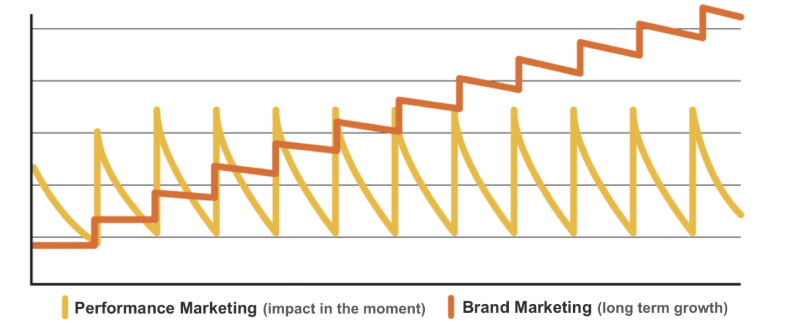
Performance marketing is results driven. It focuses on measurable actions such as clicks, conversions, leads, and sales. Every dollar spent is tied to a specific outcome, making it highly attractive for businesses that want immediate returns.
Key Features of Performance Marketing
– Measurable ROI with campaigns tracked in real time.
– Budget efficiency by optimizing spend toward channels that deliver conversions.
– Scalability, allowing campaigns to expand quickly based on performance data.
– Targeted reach, ensuring ads are shown to audiences most likely to convert.
In 2026, performance marketing continues to evolve with advanced analytics, automation, and personalized targeting. For startups and e-commerce brands, this approach remains indispensable for driving short-term growth.
Understanding Brand Marketing
Brand marketing is about building identity, trust, and long-term loyalty. It focuses on shaping perceptions, creating emotional connections, and positioning a company as more than just a product or service.
Key Features of Brand Marketing
– Emotional resonance that builds deeper relationships with audiences.
– Long-term value through recognition and credibility.
– Consistency across channels to ensure unified messaging.
– Cultural relevance by aligning with consumer values and social trends.
In 2026, brand marketing is increasingly vital as consumers demand authenticity, sustainability, and purpose-driven messaging. Companies that invest in brand equity often enjoy higher customer retention and resilience against market fluctuations.
Performance Marketing vs Brand Marketing: The Core Differences
Performance marketing is focused on immediate results, measured by clicks, conversions, and ROI. It thrives on short-term campaigns and transactional relationships. Brand marketing, on the other hand, is about long-term loyalty, awareness, and emotional connection. It requires consistent investment and patience but pays off with stronger recognition and customer trust.
While performance marketing is flexible and data-driven, brand marketing is strategic and consistent. One delivers quick wins, the other builds lasting value.
Why 2026 Demands a Balanced Approach
The digital ecosystem in 2026 is shaped by privacy regulations, AI-driven personalization, and consumer skepticism toward intrusive advertising. Relying solely on one strategy is risky.
Trends Driving the Shift
– Data privacy laws are limiting tracking, making performance marketing more challenging.
– Consumer trust is harder to earn, making brand marketing essential.
– Omnichannel journeys mean customers interact with brands across multiple touchpoints.
– Sustainability and purpose-driven values are influencing purchase decisions.
Businesses that integrate both strategies using performance marketing for measurable growth and brand marketing for long term trust will thrive.
When to Prioritize Performance Marketing
Performance marketing should be prioritized if:
– You’re launching a new product and need immediate traction.
– Your business model relies heavily on conversions, such as e-commerce.
– You have limited budgets and need quick ROI.
– You’re testing new markets or audiences.
In these cases, focusing on performance marketing vs brand marketing ensures that resources are directed toward measurable outcomes.
When to Prioritize Brand Marketing
Brand marketing should take precedence if:
– You’re in a competitive industry where differentiation is key.
– Your audience values authenticity and purpose.
– You aim to build long-term loyalty and recognition.
– You want resilience against market shifts and ad fatigue.
For established businesses, prioritizing performance marketing vs brand marketing often means leaning more toward brand building to sustain growth.
The Ideal Strategy: Integration
The most successful companies in 2026 will not choose one over the other. Instead, they will integrate both approaches:
– Use performance marketing to drive immediate conversions.
– Invest in brand marketing to build trust and recognition.
– Align both strategies under a unified vision.
This integration ensures that short-term wins contribute to long-term success.
Actionable Steps for Businesses in 2026
1. Audit your current strategy to identify whether your focus is too skewed toward one side.
2. Define clear goals short-term sales versus long-term loyalty.
3. Allocate budgets wisely, dedicating a percentage to performance campaigns and another to brand-building.
4. Leverage data and storytelling by combining analytics with authentic narratives.
5. Monitor trends to stay updated on consumer behavior and regulatory changes.
By following these steps, businesses can strike the right balance between performance marketing vs brand marketing.
Conclusion
In 2026, the debate over performance marketing vs brand marketing is less about choosing one and more about harmonizing both. Performance marketing delivers measurable growth, while brand marketing ensures sustainability and trust. Companies that integrate these strategies will not only survive but thrive in a competitive digital landscape.
How Social Media Trends Influence Brand Visibility
In today’s digital landscape, social media trends play a pivotal role in shaping brandvisibili
How Consumer Expectations Are Redefining Marketing
Consumer expectations in marketing have shifted more dramatically in the past five years than in the
How Brands Are Using User Generated Content to Build Trust
User Generated Content has become one of the most powerful ways for brands to connect with people in
Leave a Reply