

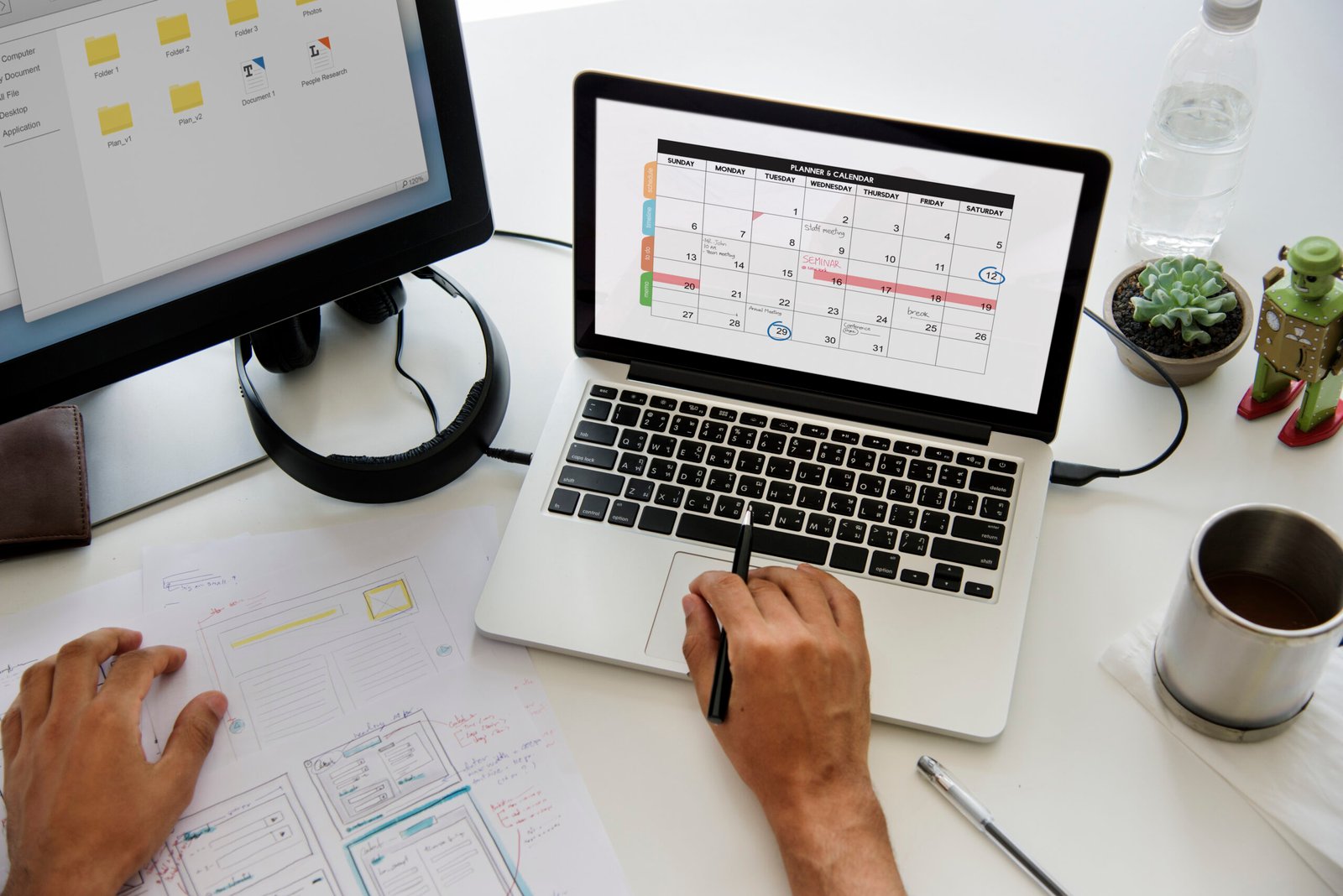
Step-by-Step Guide to Planning a Content Calendar
A well-planned content strategy is essential for building brand authority, driving traffic, and generating leads. Businesses can stay consistent, keep organized, and align content to their marketing objectives with the use of a content calendar. This comprehensive tutorial shows you how to make a content schedule that works and yields measurable results.
Step 1: Define Your Content Goals
Clearly define your goals before you start producing any kind of content. Are you trying to raise brand awareness, create leads, increase website traffic, or improve social media engagement? Setting clear objectives guarantees that each piece of content you produce has a purpose and helps to determine the type of content you produce.
Step 2: Understand Your Target Audience
It’s important to know who your audience is. Determine their favorite platforms, browsing behavior, pain points, and interests. This enables you to produce valuable and resonant content. Content that is audience-focused performs better and fosters enduring brand trust.
Step 3: Choose Correct Content Formats
A comprehensive content schedule includes a variety of formats, including case studies, videos, infographics, blogs, social media posts, and email newsletters. By varying your formats, you may reach your audience through a variety of channels and keep them interested.
Step 4: Conduct Keyword & Topic Research
Researching keywords guarantees that search engines can find your content. Determine the most popular subjects, appropriate keywords, and frequently asked questions by clients in your industry. Planning subjects ahead of time saves time during execution and helps keep SEO consistency.
Step 5: Decide Posting Frequency & Platforms
Decide where and how frequently you will publish your content. Volume is not as important as consistency. Whether it’s weekly blogs, daily social posts, or monthly newsletters, set a realistic schedule your team can maintain.
Step 6: Create a Content Calendar Template
Use tools like Google Sheets, project management software, or content planning platforms to build your calendar. Include details such as:
- Content title or topic
- Format and platform
- Publishing date
- Assigned creator
- Status (draft, review, published)
This structure keeps everyone aligned and accountable.
Step 7: Plan Ahead but Stay Flexible
While planning in advance is important, leave room for trending topics, seasonal campaigns, or last-minute updates. Having a flexible content calendar enables your brand to remain responsive and relevant.
Step 8: Review and Optimize Performance
Use analytics tools to monitor the effectiveness of your content. Keep an eye on metrics like reach, traffic, engagement, and conversions. Frequent reviews enable you to improve future content initiatives by identifying what works.
Why Choose Upswing Digital for Content Planning & Creation?
We at Upswing Digital create content that converts, not simply content. We are experts in content creation that is suited to your company’s objectives by fusing creativity, data-driven strategy, and SEO expertise.
Why businesses trust us:
- Planning strategic content in line with your brand’s goals
- Content designed for search engines to increase visibility
- Writing that is consistently excellent across all platforms
- Personalized content schedules for flawless execution
- Professionals with experience who are aware of digital trends
With smart content tactics that produce measurable results, Upswing Digital assists both new and existing brands in remaining consistent, relevant, and ahead of the competition.

How Video Production Can Skyrocket Your Brand’s Engagement
In today’s fast-paced digital world, capturing your audience’s attention is tougher than ever. T

Social Media Marketing Agency in UAE – Driving Real Growth for Modern Brands
In a highly competitive digital landscape like the UAE, social media is no longer just a branding to
Which States Have Casinos In Uk
Which States Have Casinos In Uk Players should note that if a locked reel lands on the last free spi
Leave a Reply